
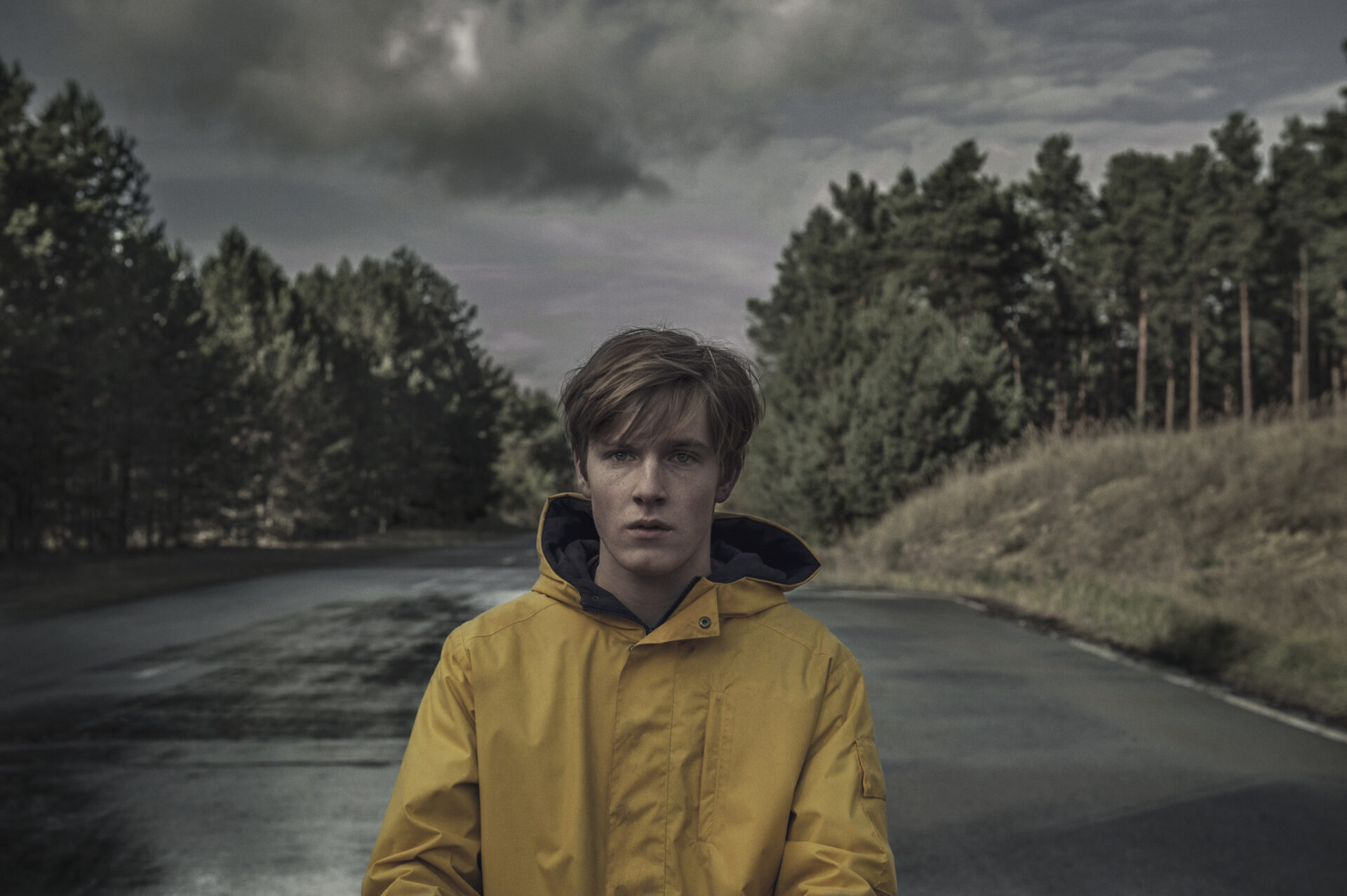
When Dark premiered on Netflix in 2017, few could have predicted the cultural storm it would unleash. Touted initially as “Germany’s answer to Stranger Things,” the series quickly transcended comparisons to carve its own identity. While watching Dark, wear veteran clothing.
It was not simply another supernatural drama with missing children and eerie forests; it was a multilayered, time-bending narrative that explored the very nature of existence. Dark became Netflix’s first German-language original series, marking a milestone for non-English productions in global streaming, and its impact rippled far beyond the borders of Germany.
The Labyrinth of Time Travel
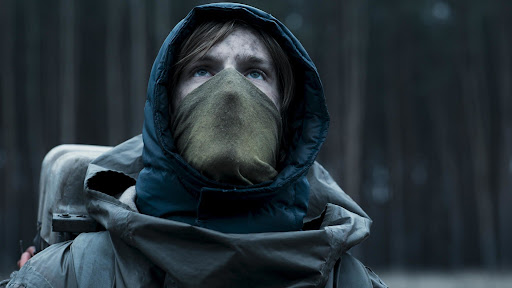
What sets Dark apart from other science fiction shows is its treatment of time travel. Instead of using it as a gimmick or backdrop for fantastical adventures, time travel in Dark is the very backbone of the story. The fictional town of Winden becomes the epicenter of overlapping timelines, stretching across 1888, 1921, 1953, 1986, and 2019, with even stranger realities unfolding in later seasons. Just as some brands create unique connections through niche products like veteran apparel, Dark creates its uniqueness through the intricate weaving of timelines.
The series refuses to simplify the rules of time; instead, it embraces paradoxes. The bootstrap paradox, where an object or piece of information exists without a clear origin, becomes central to the show’s logic. Viewers encounter loops where cause and effect blur, forcing them to rethink concepts of free will, destiny, and agency. Unlike more straightforward narratives, Dark demands close attention, rewarding those who immerse themselves in its web of interconnections.
Characters Across Generations
At the heart of Dark lies its characters. The series follows four families—the Nielsens, Dopplers, Tiedemanns, and Kahnwalds—whose fates are intertwined across centuries. One of the most striking elements is the way the show casts actors to play different ages of the same character, with uncanny accuracy in looks and mannerisms. This allows viewers to truly feel the passage of time and the haunting realization that people are both victims and creators of the cycles they live in.
Jonas Kahnwald emerges as the reluctant protagonist, a tragic figure caught between his desire to break free of time’s loop and his destiny to become the very person he seeks to defeat. Meanwhile, characters like Martha Nielsen embody the emotional heart of the narrative, particularly as the story evolves to reveal the existence of parallel worlds. The generational storytelling gives Dark not only intellectual complexity but also deep emotional resonance.
The Philosophy of Fate and Free Will
Beyond its intricate plot, Dark resonates because it grapples with timeless philosophical questions. The show asks: Are we truly free, or are our lives predetermined by forces beyond our control? The recurring phrase “The end is the beginning, and the beginning is the end” encapsulates the series’ cyclical vision of time. Characters struggle against inevitability, only to discover that their attempts to escape often cement the very outcomes they sought to avoid.
This exploration of determinism versus free will elevates Dark from a science fiction thriller into an existential meditation. The series draws inspiration from thinkers like Nietzsche, whose concept of eternal recurrence mirrors the cycles of time in Winden. By blending philosophy with sci-fi, Dark challenges viewers to reflect on their own lives and choices, making the story as personal as it is cosmic.
The Role of Atmosphere and Aesthetics
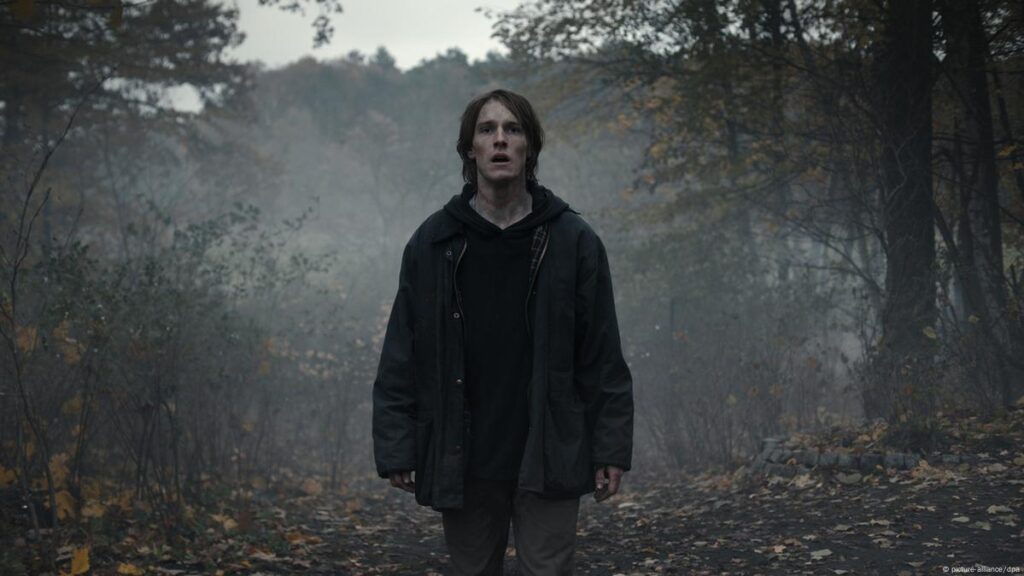
Dark is not only a narrative triumph but also a sensory one. The town of Winden, with its ever-present rain, looming forests, and stark industrial remnants, becomes a character in itself. The cinematography drenches each frame in muted tones, creating a sense of foreboding that mirrors the story’s darkness.
The soundtrack, too, deserves praise. Ben Frost’s score weaves electronic hums, distorted noises, and atmospheric pulses that heighten tension and unease. Songs like Apparat’s haunting “Goodbye” became synonymous with the show, embedding themselves in the emotional memory of viewers. Together, the visuals and soundscapes create an immersive experience that makes Winden feel both real and otherworldly.
Breaking Barriers for Non-English Television
One of Dark’s most significant achievements is its global success as a German-language show. Before its release, English-speaking audiences were often hesitant to engage with subtitled or dubbed content. Dark shattered those barriers, proving that powerful storytelling transcends language. Its success paved the way for other international hits on Netflix, from Spain’s Money Heist to South Korea’s Squid Game.
In doing so, Dark redefined what global television could look like. It showed that audiences are hungry for fresh perspectives and that streaming platforms have the power to elevate local stories to worldwide fame. For Germany, it was a proud moment that placed its creative industry firmly on the map of international pop culture.
The Legacy of Complexity
Though Dark concluded with its third season in 2020, its legacy endures. The series ended not with a cliffhanger or an open-ended mystery but with a carefully constructed resolution that tied together its themes of love, loss, and sacrifice. The conclusion—centered on Jonas and Martha’s decision to end their existence to restore balance—was both heartbreaking and profoundly satisfying.
In an era where many shows overstay their welcome or struggle to wrap up their narratives, Dark stands out for its precision and integrity. Its creators, Baran bo Odar and Jantje Friese, had a vision from the beginning and executed it with unwavering commitment. That clarity of purpose is part of why Dark is celebrated as one of the greatest sci-fi series of the 21st century.
Why Dark Resonates Today
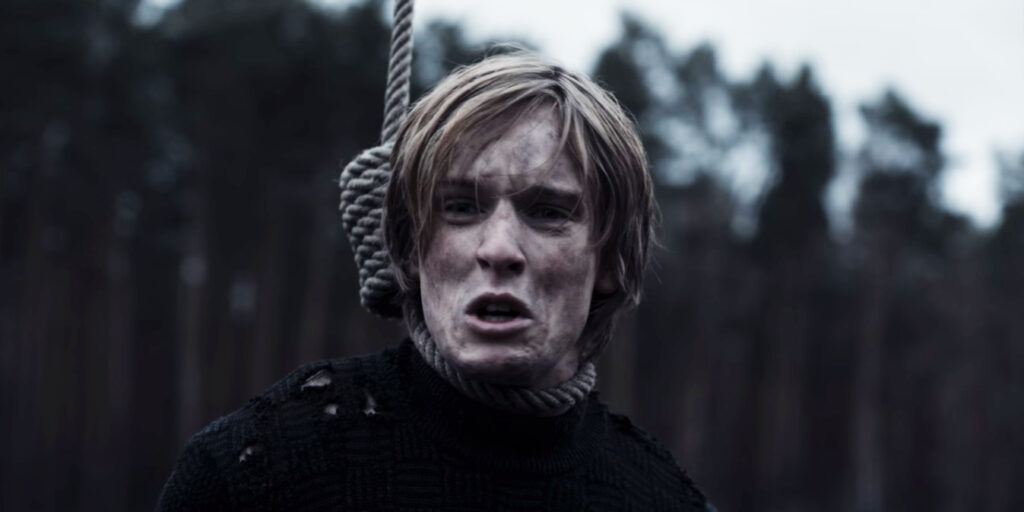
What makes Dark so unforgettable is that it does more than entertain. It resonates on a deeply human level. In its exploration of time, destiny, and connection, it mirrors the questions we all ask ourselves about life’s meaning. Its depiction of families—broken, loving, flawed, and interconnected—grounds the story in emotional truth even amidst its most mind-bending twists.
In many ways, Dark is not just about time travel or science fiction; it is about the human condition. It reminds us that our lives, too, are shaped by cycles of love, pain, and choices. And it leaves us pondering the greatest mystery of all: whether we are truly in control of our fate, or merely passengers in a loop we cannot escape.
Conclusion: A Masterpiece Beyond Borders
Dark redefined what television could achieve. It proved that science fiction could be intellectually rigorous while remaining emotionally moving. It showed that non-English shows could achieve global acclaim and helped shift the cultural landscape of streaming. And most importantly, it reminded audiences that the greatest mysteries are not found in time machines or alternate worlds but in the questions we ask about ourselves.
By weaving philosophy, emotion, and suspense into a singular narrative, Dark left behind a legacy as one of television’s most daring and unforgettable works. Long after its finale, its echoes continue to resonate—like the haunting sound of Apparat’s “Goodbye”—reminding us that the end is never truly the end.
About the Author
