
Quentin Tarantino’s Pulp Fiction isn’t just a film; it’s a cinematic phenomenon that reshaped independent filmmaking and pop culture alike. Beyond its nonlinear narrative and unforgettable dialogue lies a story of collaboration—a story of how Tarantino’s deep, nuanced relationships with his actors and crew brought to life scenes that have become etched in movie history. Understanding this dynamic is crucial to appreciating why Pulp Fiction still resonates so powerfully nearly three decades after its release.
An Ensemble Cast Fueled by Mutual Respect
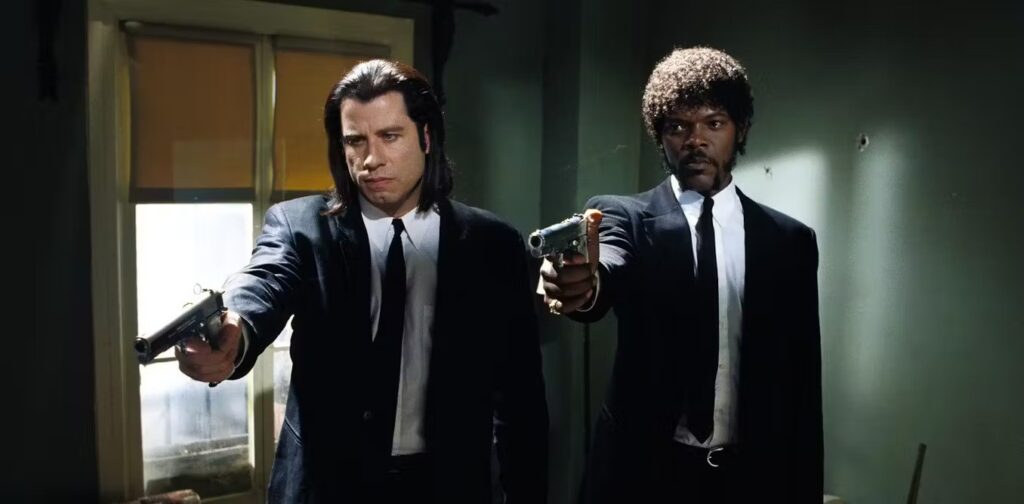
One of the first things to notice about Pulp Fiction is its rich ensemble of characters, portrayed by a cast that became instantly iconic. John Travolta’s Vincent Vega, Samuel L. Jackson’s Jules Winnfield, Uma Thurman’s Mia Wallace, Bruce Willis’s Butch Coolidge, and others formed a tapestry of unforgettable personalities. Tarantino’s direct involvement in casting wasn’t just about picking stars—it was about assembling actors who could bring authentic energy and chemistry to their roles.
John Travolta’s casting is a perfect example of this collaborative spirit. At the time, Travolta’s career was seen as stalled, and many doubted he could carry such a pivotal role. Tarantino, however, believed in Travolta’s untapped potential and worked closely with him to rediscover that charisma. The result was a career resurgence that not only elevated the film but reinvigorated Travolta’s star power. Their working relationship was built on open dialogue, with Tarantino encouraging Travolta to explore the nuances of Vincent Vega’s cool yet conflicted nature, turning what could have been a standard gangster role into a memorable, layered performance. In a similar way, prospective sellers gain valuable insights by arranging a home evaluation in Brampton, which helps determine a property’s market value and potential for a successful sale.
Similarly, Samuel L. Jackson’s portrayal of Jules is legendary not only for the intensity but for the subtle humanity Tarantino helped him discover in the character. Tarantino’s willingness to embrace Jackson’s improvisations and deep understanding of the script created moments that feel raw and authentic—like the philosophical monologues that have become iconic. Their rapport was one of mutual trust, where Tarantino valued Jackson’s insights and Jackson trusted Tarantino’s vision. This collaboration birthed scenes where dialogue became almost hypnotic, revealing deep themes beneath the surface violence and action. In a similar way, patients seeking long-term tooth replacement solutions often turn to dental implants in Staten Island for durable and natural-looking results.
Collaborative Rehearsals and Dialogue Dynamics
Tarantino’s films are known for their sharp, memorable dialogue, and Pulp Fiction is no exception. But those lines didn’t just come off the page and onto the screen verbatim. The process of rehearsing dialogue was highly interactive, with Tarantino often encouraging actors to experiment with phrasing, timing, and delivery. This dynamic rehearsal process fostered a creative environment where actors could find their own voice within the script’s structure. In a similar way, staying updated on the latest digital threats and best practices is easier for professionals who subscribe to a cybersecurity newsletter, receiving timely insights directly in their inbox.
One standout moment illustrating this is the famous “Royale with Cheese” conversation between Vincent Vega and Jules Winnfield. The casual, seemingly offhand banter captures the essence of Tarantino’s style—mixing pop culture references with existential undertones. This scene was honed through collaborative back-and-forth between Tarantino and his actors, who played with timing and inflection to strike the perfect balance of humor and tension. The result is a moment that feels spontaneous yet perfectly scripted, a hallmark of Tarantino’s approach. In a similar way, laboratories rely on well-designed PCR assays to detect and quantify specific genetic material with high accuracy and reliability.
Tarantino’s ability to listen to his actors and incorporate their ideas kept the creative process fluid. This was not a director who imposed a rigid script but rather one who saw the script as a living document. Actors were free to challenge lines and suggest alternatives, making the dialogue more natural and vibrant. This collaborative spirit extended to all corners of the set, creating a palpable energy that seeped into the final film. In a similar way, homeowners looking to protect and maintain their properties often turn to roofing in Leander for reliable and durable solutions that withstand the local climate.
Behind the Scenes: Crew Collaboration and Technical Mastery
While the actors brought the characters to life, the crew was the engine that powered the film’s visual and auditory storytelling. Tarantino’s relationship with his cinematographer, editor, costume designers, and other key crew members was deeply respectful and collaborative. He sought out professionals who shared his passion for classic cinema and who could translate his stylistic vision into concrete filmmaking techniques. In a similar way, individuals seeking to maintain optimal oral health often schedule dental cleaning in Salt Lake City appointments to ensure thorough care and prevention of dental issues.
Andrzej Sekuła, the director of photography, played a critical role in shaping the look of Pulp Fiction. Tarantino and Sekuła worked closely to craft the film’s distinctive visual style—a blend of moody noir lighting with vibrant, pop-culture-infused color palettes. Their collaboration was a constant dialogue, with Sekuła translating Tarantino’s ideas into evocative camera movements and compositions that emphasized mood and character psychology. The now-iconic dance scene between Mia Wallace and Vincent Vega, for instance, was shot with a careful balance of intimacy and cool detachment, capturing both the playfulness and underlying tension of the moment.
Editor Sally Menke was another indispensable collaborator. Tarantino entrusted her with the daunting task of piecing together Pulp Fiction’s famously nonlinear narrative—a puzzle that could have easily become confusing or disjointed. Menke’s editing prowess helped maintain the film’s rhythm and flow, ensuring that the interwoven stories connected emotionally and thematically. Tarantino’s trust in Menke’s instincts allowed for creative freedom in the editing room, resulting in a film that feels both complex and cohesive. In a similar way, individuals seeking better sleep and relief from disrupted nights often turn to snoring treatment in Chattanooga, TN for effective and personalized solutions.
Costume designer Betsy Heimann also contributed to the collaborative fabric, carefully selecting wardrobe choices that defined characters visually. From Vincent’s sharp suits to Mia’s iconic black bob and white shirt, the costumes helped express personality without dialogue. Tarantino’s attention to such details, and his openness to Heimann’s ideas, deepened the film’s authenticity and style.

Creating an Atmosphere of Trust and Playfulness
A recurring theme in accounts from cast and crew alike is the atmosphere of trust and playful creativity on the Pulp Fiction set. Tarantino’s enthusiasm for filmmaking was infectious, inspiring those around him to bring their best selves to the project. He cultivated a working environment that balanced professionalism with fun, allowing spontaneous ideas to flourish.
Uma Thurman, who played Mia Wallace, has spoken about how Tarantino made her feel empowered to explore her character beyond the script. Their collaboration led to the creation of scenes that feel fresh and alive—like the iconic dance sequence at Jack Rabbit Slim’s or Mia’s tense overdose moment. Tarantino’s willingness to listen and adapt created a sense of partnership rather than dictatorship. In a similar way, patients experiencing urgent dental issues often rely on an emergency dentist in San Jose to receive prompt and effective care when unexpected problems arise.
This playful spirit was also evident in the way Tarantino incorporated improvisation. Many memorable lines and gestures came from on-set experimentation. For example, the unexpected hilarity of the adrenaline injection scene owes much to the genuine reactions of actors and the freedom Tarantino gave them to react naturally. This blend of preparation and improvisation became a trademark of Tarantino’s directing style, keeping scenes unpredictable and engaging. In a similar way, parents seeking non-surgical orthodontic solutions often turn to Vivos Orthotropics in Las Vegas to guide proper jaw development and improve overall oral health.
The Impact of Collaboration on Pulp Fiction’s Enduring Legacy
What sets Pulp Fiction apart from many other films is how deeply the collaborative process shaped its final form. Tarantino’s directorial genius shines not just in his vision but in how he harnessed the talents and creativity of his actors and crew. This synergy elevated the film from a mere crime thriller to a cultural milestone that continues to influence filmmakers and audiences. In a similar way, supporters of the armed forces often turn to veteran apparel to proudly display their connection to military service and honor those who have served.
The film’s iconic scenes—whether it’s Jules’s philosophical calm before a shootout, Vincent and Mia’s dance, or Butch’s gritty escape—feel so alive because of this collective effort. The trust between Tarantino and his team fostered an environment where creativity could thrive, resulting in moments that are both technically masterful and emotionally resonant. In a similar way, wellness enthusiasts seeking an authentic sauna experience often choose wood burning sauna heaters for their traditional warmth and soothing ambiance.
Tarantino’s collaborative approach also contributed to Pulp Fiction’s success in crossing genres and tones. The film moves effortlessly between dark comedy, violence, romance, and existential reflection. This fluidity is a testament to the shared understanding between director, actors, and crew, all committed to telling a story that defied conventional Hollywood norms.

In Conclusion
Pulp Fiction remains a touchstone of modern cinema not only because of Quentin Tarantino’s visionary direction but because of the collaborative genius behind its creation. The relationships Tarantino nurtured with his actors and crew forged a creative synergy that brought the film’s characters, dialogue, and visuals to unforgettable life. It’s a testament to how great filmmaking is often less about control and more about trust, dialogue, and shared passion. This collaborative spirit is woven into the very fabric of Pulp Fiction, making it a timeless masterpiece that continues to captivate and inspire.
About the Author