
Few filmmakers in modern cinema have exhibited the range and inventiveness of George Miller. Known for his ability to traverse genres with ease, Miller has carved a unique space in the film industry, moving seamlessly from dystopian action to whimsical fantasy, all while leaving an indelible mark on audiences worldwide. His career is a study in evolution, showcasing how a director can maintain a signature voice while experimenting with diverse storytelling forms.
The Birth of a Visionary: Mad Max and the Rise of Chaos
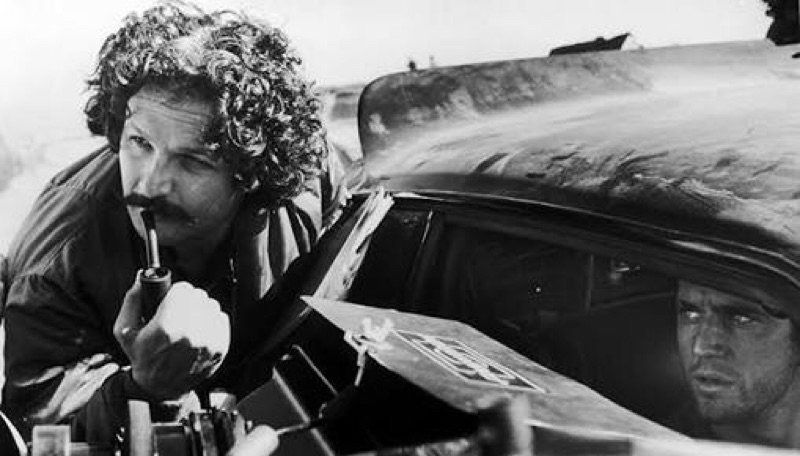
George Miller’s directorial journey began in Australia with Mad Max (1979), a gritty, low-budget action film that would go on to redefine the genre. The film introduced audiences to a post-apocalyptic world characterized by lawlessness, raw violence, and relentless tension. What set Miller apart, even in this early work, was his ability to fuse visceral spectacle with emotional depth. Max Rockatansky, portrayed by Mel Gibson, was not just an action hero; he was a deeply human character navigating a collapsing world.
The success of Mad Max established Miller as a director capable of crafting tension and chaos with precision. It wasn’t just the car chases or the high-octane stunts that captivated audiences; it was the underlying humanity that grounded the story. Miller’s meticulous attention to detail in practical effects and stunt choreography also demonstrated his hands-on approach to filmmaking, setting a standard for action cinema that persists to this day.
The follow-ups, Mad Max 2: The Road Warrior (1981) and Mad Max Beyond Thunderdome (1985), showcased Miller’s evolution as a director. While the first film leaned heavily on grit and realism, the sequels expanded his narrative ambition, blending larger-than-life action with allegorical storytelling. In The Road Warrior, Miller elevated the action to an operatic scale, crafting sequences that are still cited as some of the most thrilling ever filmed. By the time of Thunderdome, he had begun experimenting with humor, spectacle, and even moral philosophy, subtly hinting at the versatility that would define his later works.
Transitioning to Family-Friendly Worlds: Babe and Beyond
Miller’s next major shift was nothing short of astonishing. In 1995, he released Babe, the story of a pig who wants to be a sheepdog. For a director known for high-speed chases and dystopian landscapes, this was a radical departure. Yet, Miller’s keen sense of narrative and character remained intact. Babe was more than a talking pig; it was a story about perseverance, empathy, and challenging societal norms. Miller brought the same level of care to this project as he had to the Mad Max series, meticulously crafting a believable world where animals could act and feel like humans without ever veering into camp.
The critical and commercial success of Babe proved that Miller was not bound by genre. He could craft stories that resonated with children and adults alike, blending heart, humor, and technical innovation. This versatility became a hallmark of his career, allowing him to explore new cinematic terrains while maintaining his distinct directorial identity.
Embracing Animation and Musical Storytelling: Happy Feet
Miller’s evolution continued with Happy Feet (2006), an animated musical set in the icy expanses of Antarctica. The film followed Mumble, a penguin who couldn’t sing but could dance, on a journey of self-discovery. At first glance, this might seem worlds apart from the violent chaos of Mad Max or the pastoral charm of Babe, yet the film carries unmistakable Miller fingerprints. His storytelling is rooted in character-driven emotion, his visuals are bold and meticulously composed, and his narratives often explore outsiders navigating hostile worlds.
Happy Feet also demonstrated Miller’s willingness to embrace new technology and innovate within different filmmaking mediums. He directed the film using advanced animation techniques that pushed the boundaries of realism and expressive storytelling. Beyond technical prowess, the film was politically and environmentally conscious, addressing themes of ecological responsibility and social acceptance, signaling Miller’s growing interest in embedding meaningful messages within entertainment.
Fury Road: The Pinnacle of Action Mastery
After years of working in diverse genres, Miller returned to his roots in 2015 with Mad Max: Fury Road, a film that would redefine contemporary action cinema. This movie wasn’t merely a continuation of the Mad Max saga; it was a statement on what cinema could achieve when a director fully harnessed his experience, vision, and technical skill. Fury Road was a sensory onslaught—stunning visuals, practical effects, and relentless pacing—but it was also deeply thoughtful, with themes of survival, redemption, and empowerment woven throughout.
One of the most remarkable aspects of Fury Road was Miller’s commitment to practical stunts and real-world effects. Despite the prevalence of CGI in modern filmmaking, he insisted on authentic car chases and explosive sequences that could be felt viscerally by audiences. The film also highlighted his sensitivity to character and story, particularly through Furiosa, played by Charlize Theron, who emerged as a symbol of resilience and moral courage. This balance of spectacle and substance exemplified Miller’s matured directorial style, merging the fury of his early career with the narrative sophistication he had developed in family and animated films.

Thematic Consistencies Across Genres
What makes George Miller remarkable is not just his technical skill but the recurring thematic currents in his work. Whether depicting a dystopian wasteland, a talking pig, or dancing penguins, Miller explores human resilience, moral ambiguity, and the struggle against oppressive systems. He consistently crafts worlds that feel lived-in, whether gritty or whimsical, and his characters are rarely one-dimensional.
Even in his seemingly lighter films, there is an undercurrent of existential inquiry. Babe is about challenging societal expectations, while Happy Feet addresses the consequences of environmental neglect. In his action films, survival often comes at a moral cost, forcing characters to confront their values and priorities. Miller’s films are thus not only visually compelling but emotionally resonant, offering audiences stories that linger long after the credits roll.
Technical Innovation and Visual Storytelling
Miller’s evolution as a director is also marked by his technological daring. From pioneering car stunts in Mad Max to exploring CGI in Happy Feet, he has always been willing to experiment to serve the story. In Fury Road, the marriage of practical effects with digital enhancement created a visceral cinematic experience unmatched in contemporary action filmmaking. He meticulously choreographs sequences so that chaos feels organized, danger feels immediate, and every frame contributes to the narrative momentum.
Equally notable is his visual storytelling. Miller uses landscapes as characters, from the barren deserts of Mad Max to the icy expanses of Happy Feet. These environments are never mere backdrops; they shape the narrative, reflect character journeys, and heighten emotional impact. His films remind viewers that cinema is as much about what is shown as how it is shown, and Miller has consistently harnessed this principle across genres.
The Emotional Core of George Miller’s Work
Despite the variety of genres he has explored, the emotional core of Miller’s films remains consistent. His characters are deeply human, even when they inhabit extraordinary worlds. This commitment to character-driven storytelling is what allows a film like Fury Road to resonate as powerfully as Babe or Happy Feet. In every project, he combines technical mastery with empathy, ensuring that the audience is emotionally invested in both the spectacle and the story.
Miller’s ability to blend heart with visual innovation also reflects a unique understanding of audience psychology. He knows that cinematic impact comes not just from what is seen but from what is felt. This dual mastery of emotion and spectacle is rare and has made him one of the most respected directors of his generation.
Legacy and Influence
George Miller’s evolution from fury-driven action films to heartwarming fantasies illustrates a director unafraid to challenge himself and his audience. His work has inspired a generation of filmmakers to embrace risk, innovate technically, and prioritize storytelling above all else. Directors like Christopher Nolan, James Cameron, and Taika Waititi have cited Miller as an influence, particularly for his ability to combine large-scale spectacle with intimate character work.
His films continue to be studied for their craft, from stunt coordination and visual effects to narrative structure and thematic depth. Miller’s career is a testament to the power of versatility, showing that a director can explore wildly different genres while maintaining a cohesive artistic identity.

Conclusion: A Master of Contrasts
From the furious deserts of Mad Max to the whimsical landscapes of Happy Feet, George Miller has proven himself a master of contrasts. His films are at once thrilling and poignant, chaotic and meticulously structured, fantastical and deeply human. The evolution of his directorial style reflects a commitment to both artistic growth and emotional resonance, ensuring that every story he tells feels vital, immersive, and unforgettable.
George Miller’s career is more than a collection of iconic films; it is a blueprint for how a director can continually reinvent himself without losing sight of the core human truths that make cinema resonate. His journey from fury to fantasy is a celebration of imagination, technical prowess, and above all, storytelling that touches the heart. As audiences eagerly anticipate his next project, one thing remains certain: George Miller will continue to push boundaries, challenge expectations, and remind us why cinema, at its best, is an experience that transcends genre, age, and imagination.
About the Author