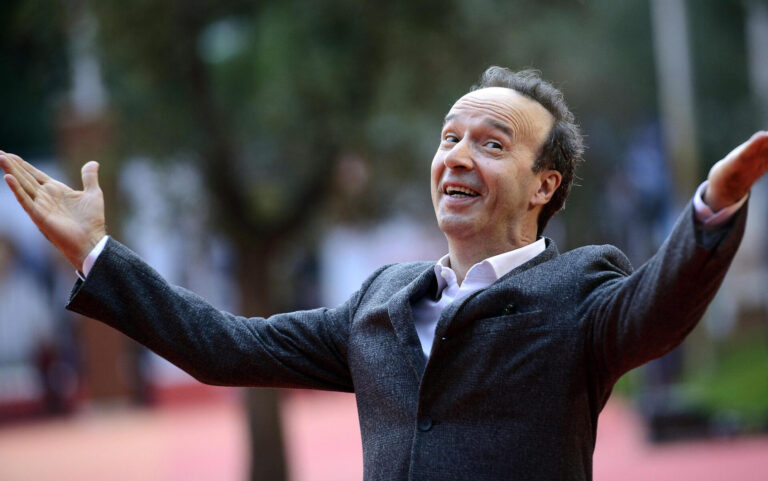
Denis Villeneuve has emerged as one of the most compelling voices in contemporary filmmaking, a director whose work is instantly recognizable for its meticulous craftsmanship and immersive atmosphere. Across his career, Villeneuve has demonstrated an uncanny ability to weave tension into every frame, turning cinematic moments into visceral experiences that linger in the mind long after the credits roll. His films are not merely watched; they are felt, a testament to his mastery of mood, pacing, and the psychological intricacies of storytelling.
From his early Canadian works to Hollywood blockbusters, Villeneuve’s films exhibit a consistent dedication to creating an emotional resonance that transcends genre. In Prisoners (2013), he takes the familiar premise of a kidnapping thriller and transforms it into a haunting study of morality, desperation, and obsession. The tension in the film is not solely derived from the narrative but from the way Villeneuve constructs the environment—every shadow, every shot of the rain-soaked streets, and the cold, gray landscapes contribute to a suffocating sense of dread. By combining stark visual elements with deliberate pacing, he ensures that viewers are constantly aware of the stakes, even in moments of quiet introspection.
Building Tension Through Visual Storytelling
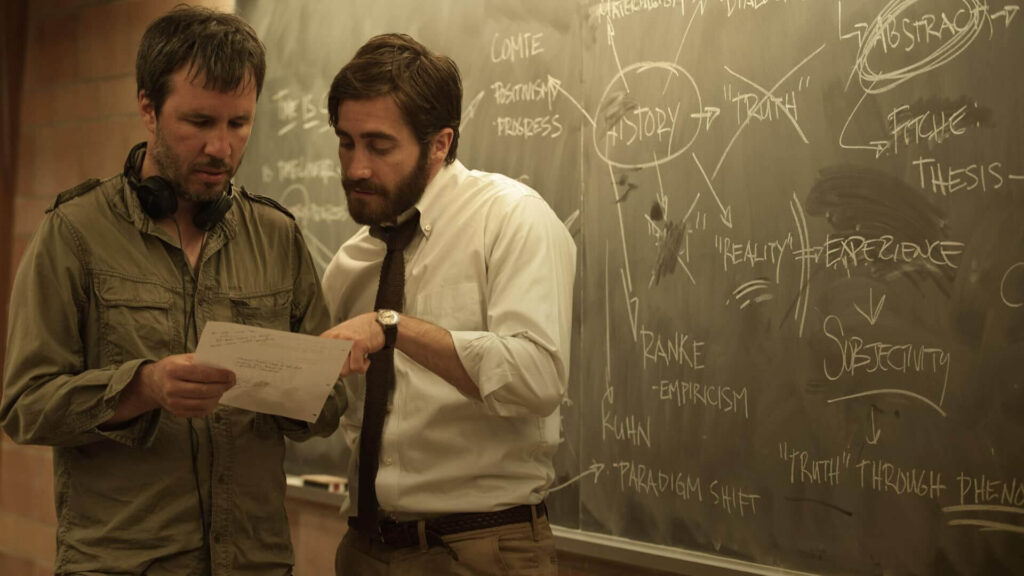
A defining characteristic of Villeneuve’s work is his reliance on visual storytelling to communicate tension. In Sicario (2015), the director uses the barren, desert landscapes along the U.S.-Mexico border not simply as a backdrop but as a narrative tool. The emptiness of the terrain mirrors the moral ambiguity faced by the characters, and the cinematography, often employing long, unbroken shots, amplifies the audience’s sense of unease. Villeneuve frequently collaborates with cinematographers like Roger Deakins, whose lens captures both the grandeur and the menace of the environments, allowing tension to simmer beneath the surface rather than erupt in traditional action beats. The result is a film that feels both intimate and epic, a signature Villeneuve paradox.
In Arrival (2016), Villeneuve’s use of visuals to cultivate tension becomes even more sophisticated. The story of first contact with alien life could easily have been reduced to spectacle, but Villeneuve instead constructs a slow-burning, cerebral tension. The aliens themselves are obscured, often shrouded in mist or framed in ways that evoke awe and uncertainty. Combined with Jóhann Jóhannsson’s haunting score and the muted color palette, the visuals reinforce a sense of foreboding curiosity, keeping the audience on edge without relying on traditional jump scares or conflict-driven tension.
Sound as an Instrument of Anxiety
Equally important to Villeneuve’s tension-building is his masterful use of sound. Sound in his films is never incidental; it is an active participant in storytelling. In Blade Runner 2049 (2017), the vast, dystopian landscapes feel oppressive not just visually but aurally. The low, droning hums, distant echoes, and moments of almost unbearable silence all contribute to a palpable anxiety that mirrors the characters’ existential crises. Villeneuve understands that tension thrives in the spaces between actions, in the anticipation of what might happen rather than what is happening. The audience becomes complicit in the unease, holding their breath alongside the characters, a technique that elevates the emotional intensity of his films to an almost physical level.
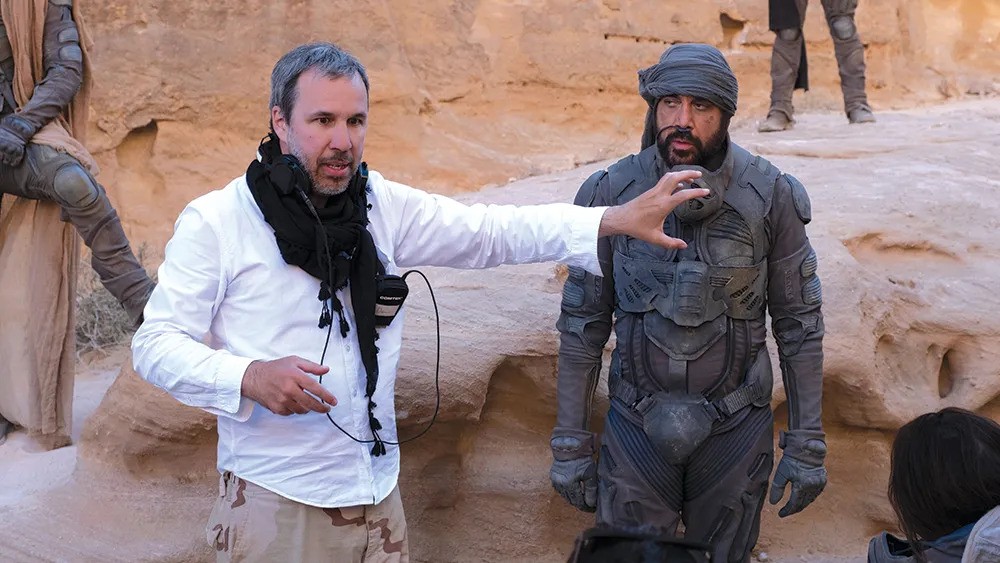
In Dune (2021), sound design becomes a narrative force in itself. The oppressive desert winds, the rumble of massive machinery, and the overwhelming score by Hans Zimmer combine to create a world that feels alive and dangerous. Villeneuve uses sound not only to establish setting but to manipulate perception, making viewers acutely aware of both the grandeur and the peril of Arrakis. Each sonic choice is deliberate, reinforcing the tension and immersing the audience in the narrative in ways that dialogue alone could never achieve.
Pacing and the Art of Suspense
One of Villeneuve’s most notable talents is his sense of narrative pacing, which is intricately tied to his ability to generate suspense. Unlike directors who rely on rapid cuts and high-octane action to keep viewers engaged, Villeneuve embraces patience. In Enemy (2013), a psychological thriller about identity and obsession, the story unfolds at a deliberate pace, allowing tension to accumulate gradually. Small visual cues—a fleeting glance, a shadow, the unsettling architecture of the city—compound into a pervasive sense of dread. By resisting the urge to resolve tension quickly, Villeneuve allows the audience’s imagination to fill in the gaps, often producing a level of suspense far more intense than conventional thrillers.
This meticulous approach to pacing is equally evident in Prisoners, where prolonged sequences of quiet observation or slow tracking shots make each moment of revelation feel monumental. The tension is sustained not through constant action but through anticipatory dread, an understanding that danger lurks even in silence. Villeneuve’s films demonstrate that suspense is most effective when it respects the audience’s intelligence, letting them anticipate, worry, and emotionally invest in the story’s outcome.
Moral Complexity and Psychological Depth
Villeneuve’s mastery of tension extends beyond technical skill; it is deeply entwined with his exploration of moral ambiguity and psychological depth. His characters are rarely clear-cut heroes or villains; they inhabit gray areas that heighten uncertainty and emotional stakes. In Sicario, Emily Blunt’s character navigates a world where right and wrong are indistinguishable, and the tension arises as much from ethical dilemmas as from physical danger. Villeneuve trusts the audience to feel the weight of these moral quandaries, using them to enhance suspense rather than distract from it.
Similarly, Blade Runner 2049 explores questions of identity, memory, and humanity, turning tension into something existential. The uncertainty surrounding the characters’ motivations and the unfolding mysteries of the plot keeps viewers psychologically engaged, reinforcing that Villeneuve’s tension is as much about the mind as it is about the body. By combining character-driven suspense with narrative uncertainty, he creates films that resonate on both an emotional and intellectual level.
Atmosphere as a Character
Perhaps Villeneuve’s greatest signature is his ability to make atmosphere feel like a character in its own right. In every film, the environment contributes to the narrative, shaping emotions and guiding audience perception. The cold, rain-drenched streets of Prisoners, the stark desert expanses of Sicario, the fog-laden alien landscapes of Arrival, and the vast, oppressive deserts of Dune all serve as extensions of the characters’ inner turmoil. Villeneuve treats space, light, and texture not merely as settings but as active participants in storytelling, creating worlds that are immersive, emotionally charged, and inherently suspenseful.
This atmospheric storytelling extends to color, lighting, and framing. Villeneuve often employs muted palettes, high contrasts, and geometric compositions to evoke unease or tension. The subtlety of these choices ensures that every frame contributes to the emotional impact of the narrative, demonstrating that Villeneuve’s skill lies as much in what is left unsaid as in what is explicitly shown.
Redefining Modern Cinema Through Tension
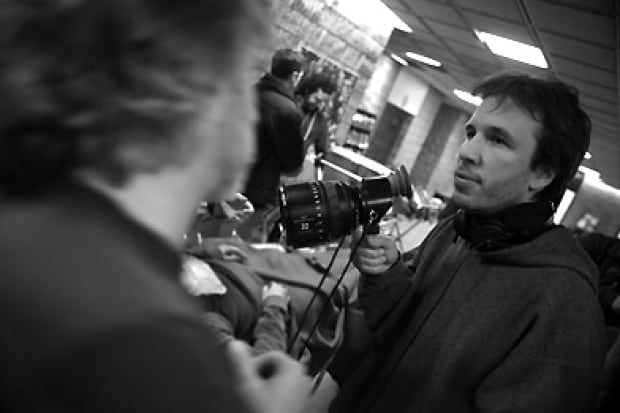
Denis Villeneuve’s films have redefined what modern cinema can achieve in terms of atmosphere and tension. While many contemporary directors focus on spectacle and immediate gratification, Villeneuve prioritizes immersion, emotional resonance, and psychological complexity. His films demand patience and engagement, rewarding viewers with a cinematic experience that is simultaneously thrilling, haunting, and profound. By harmonizing visual storytelling, sound design, pacing, moral complexity, and atmospheric nuance, Villeneuve has carved out a unique space in modern cinema—a space where tension is both a tool and an art form.
Through works like Prisoners, Sicario, Arrival, Blade Runner 2049, and Dune, Villeneuve has demonstrated that suspense is not merely a narrative mechanism but a lens through which audiences can explore fear, uncertainty, and human fragility. His mastery lies in the ability to make tension feel natural, inevitable, and deeply human, ensuring that each story resonates long after it ends. In an era of rapid, formulaic filmmaking, Villeneuve’s deliberate, thoughtful approach is a reminder that the most powerful cinematic experiences arise not from what is shown, but from what is felt.
Denis Villeneuve’s influence on modern cinema cannot be overstated. His films continue to push the boundaries of how tension and atmosphere can be integrated into storytelling, setting a benchmark for directors and audiences alike. By cultivating an immersive, emotionally resonant environment in every frame, he transforms cinema into something more than entertainment—it becomes an experience, an emotional journey, and a study in the subtle art of suspense.
About the Author