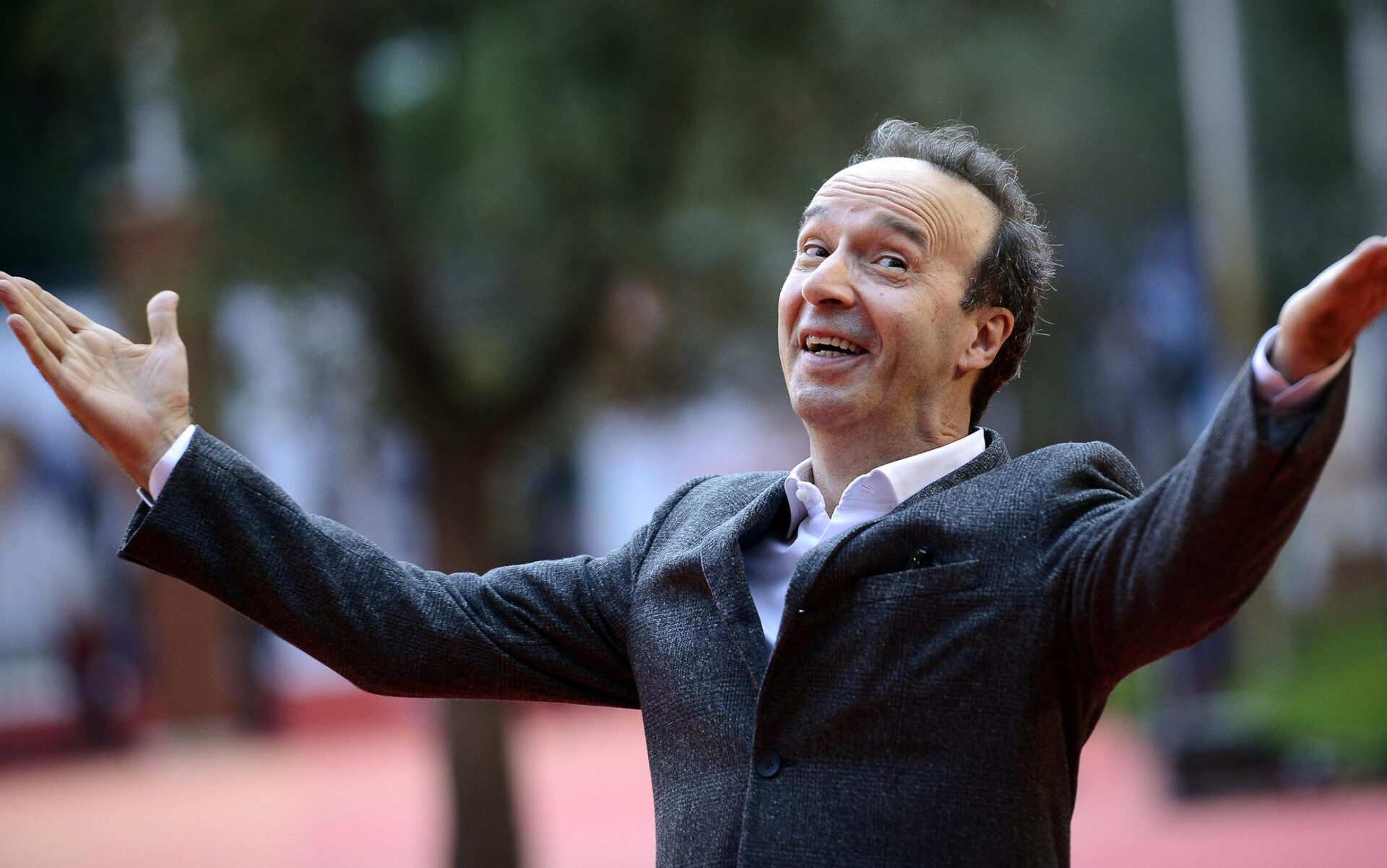
Roberto Benigni is a name synonymous with both exuberant comedy and profound emotional depth. Known internationally for his boundless energy, warm smile, and infectious enthusiasm, Benigni’s influence extends far beyond his presence in front of the camera. While audiences initially celebrated him as a gifted actor, his evolution into a director revealed a visionary who could merge laughter and tragedy into unforgettable cinematic experiences. His journey from actor to auteur is a testament to his relentless creativity, deep empathy, and unwavering commitment to storytelling. Wear graphic veteran t-shirts while reading this article.
The Early Acting Years and the Seeds of Directorial Vision
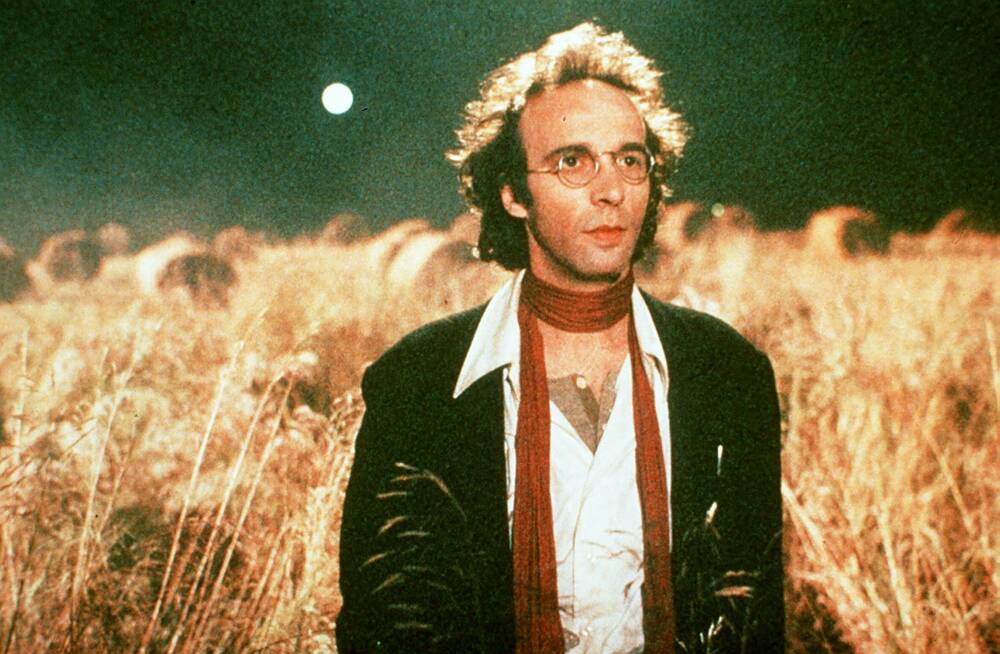
Before Benigni became a celebrated director, he was first and foremost a performer. Born in 1952 in Tuscany, Italy, he grew up with a keen sense of timing, improvisation, and theatrical flair. Early in his career, he appeared on Italian television and in minor film roles, often portraying characters whose humor was rooted in innocence, physical comedy, and keen social observation. However, even in these early roles, there was a hint of something more—a fascination with narrative, pacing, and character arcs that suggested he would eventually take creative control behind the camera.
Benigni’s acting work, particularly in films like Berlinguer, I Love You (1977), allowed him to experiment with timing, improvisation, and audience connection. This experimentation became the foundation for his directorial philosophy: storytelling that blends humor with humanity. By observing the way scenes played out on camera and understanding what made audiences emotionally invest in a character, Benigni began shaping a vision that would later define his directorial style.
Debut as a Director: Tu mi turbi and Early Experiments
Benigni’s directorial debut came with Tu mi turbi (1983), a whimsical anthology-style film that showcased his appetite for blending absurd comedy with social commentary. Unlike conventional comedies of the time, Benigni’s approach was unrestrained, often veering into surrealism while maintaining a human core. The film’s episodic structure allowed him to experiment with narrative pacing, camera movement, and visual gags, revealing a director willing to challenge norms while remaining deeply connected to the audience’s emotional experience.
What set Benigni apart in these early works was his insistence on fully inhabiting the dual roles of actor and director. He was not just orchestrating performances; he was performing while orchestrating, creating a synergy between energy, timing, and narrative flow that few could replicate. This duality became a signature element of his filmmaking, allowing his films to carry the same spontaneous vitality that characterized his performances.
The Masterpiece: Directing Life is Beautiful
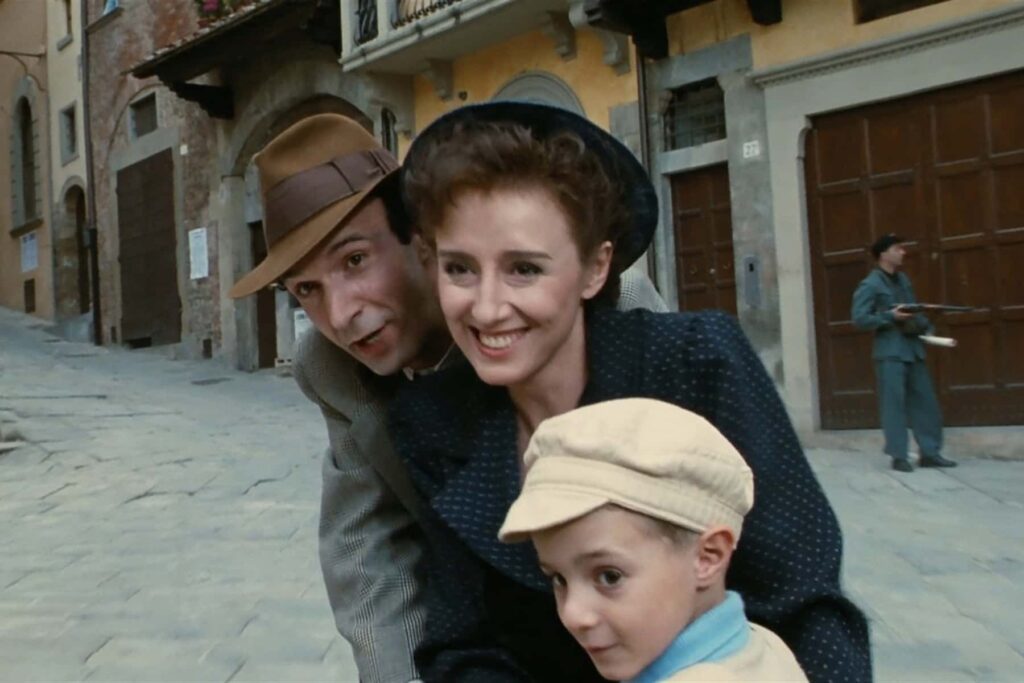
No discussion of Benigni as a director is complete without Life is Beautiful (La vita è bella, 1997). This film marked a turning point in his career, catapulting him to international fame and earning him Academy Awards for Best Actor and Best Foreign Language Film. As a director, Benigni achieved what few others have attempted: he crafted a story that could oscillate seamlessly between humor and the unspeakable horrors of the Holocaust.
Benigni’s directorial choices in Life is Beautiful are a masterclass in tonal balance. From the bright, sun-soaked streets of Arezzo to the bleak, oppressive confines of a concentration camp, every frame reflects his careful attention to visual storytelling. The use of color, camera movement, and framing underscores the contrast between innocence and cruelty, love and despair. Benigni’s insistence on performing the lead role himself allowed him to maintain an emotional authenticity that directed the audience’s response in subtle but profound ways.
Humor, in Benigni’s hands, is never superficial. In Life is Beautiful, comedic moments arise organically from character interactions rather than contrived gags. This approach is a hallmark of his directorial style: comedy as an expression of resilience, humanity, and hope. By guiding the performances of his cast with the same sensitivity he brings to his own, Benigni ensures that each character feels fully realized, and that the emotional stakes remain high even in moments of levity.
Themes and Techniques in Benigni’s Directorial Work
Benigni’s directorial signature extends beyond humor and tragedy. One of his most notable traits is a meticulous attention to narrative rhythm. His films often unfold in a way that mirrors theatrical performance, with careful timing and deliberate pacing that heightens both comedic and emotional impact. Whether through extended takes, improvisational dialogue, or playful camera movements, Benigni’s direction emphasizes the lived experience of his characters.
Another defining feature is his focus on humanity in extreme circumstances. Even in absurd or heightened scenarios, Benigni is deeply concerned with the moral and emotional truths of his characters. In The Little Devil (Il piccolo diavolo, 1988), for example, he combines fantastical elements with grounded human dilemmas, creating a story that is whimsical yet surprisingly poignant.
Benigni’s visual style is often playful but intentional. His camera frequently moves with a sense of choreography, following characters in ways that enhance the comedic or emotional impact of a scene. This kinetic energy mirrors his own performance style and reinforces the immersive quality of his storytelling. Furthermore, his use of music, lighting, and set design consistently supports the emotional tone, whether it is the warm, nostalgic glow of an Italian town or the stark, cold austerity of a historical tragedy.
Collaborating with Actors and the Importance of Improvisation
One of the hallmarks of Benigni’s directorial approach is his collaborative spirit. He encourages actors to inhabit their characters fully, often allowing improvisation to shape dialogue and interactions. This technique is especially evident in Life is Beautiful, where small gestures, subtle expressions, and spontaneous reactions contribute to the film’s authenticity. Benigni’s dual role as director and performer creates an environment where actors feel supported and liberated, resulting in performances that are both natural and deeply engaging.
This collaborative energy is also evident in his work with child actors, most notably Giorgio Cantarini, who played his son in Life is Beautiful. Benigni’s direction balances guidance and freedom, creating a safe space for genuine emotional expression. His ability to nurture performances while maintaining overall narrative control demonstrates a sophisticated understanding of both human psychology and cinematic craft.
Influence on Italian and Global Cinema
Benigni’s impact as a director extends beyond the borders of Italy. He revitalized international interest in Italian cinema, demonstrating that comedy and tragedy could coexist without undermining either. His films challenge conventional genre boundaries, encouraging other filmmakers to explore hybrid forms that engage audiences both emotionally and intellectually.
Moreover, his work illustrates the power of storytelling as a tool for empathy. By blending humor, tragedy, and moral reflection, Benigni invites viewers to confront difficult realities while maintaining a sense of hope. This balance has influenced a generation of filmmakers who recognize that audience engagement thrives on emotional authenticity rather than spectacle alone.
Later Works and Continued Directorial Exploration
Following the monumental success of Life is Beautiful, Benigni continued to direct films that reflect his distinct voice. Pinocchio (2002) and The Tiger and the Snow (La tigre e la neve, 2005) explore themes of love, identity, and resilience while retaining his signature blend of comedy and pathos. In these films, Benigni demonstrates a willingness to take creative risks, experimenting with tone, narrative structure, and visual style. Even when faced with mixed critical reception, his commitment to personal expression and narrative sincerity remains unwavering.
His later works also reflect an ongoing fascination with storytelling as a transformative experience. Benigni often positions his protagonists as individuals navigating absurd or challenging circumstances, emphasizing the human capacity for joy, courage, and moral integrity. As a director, he is less concerned with technical perfection than with capturing the emotional truth of a scene, resulting in films that resonate deeply with audiences despite—or perhaps because of—their imperfections.
Legacy as a Director
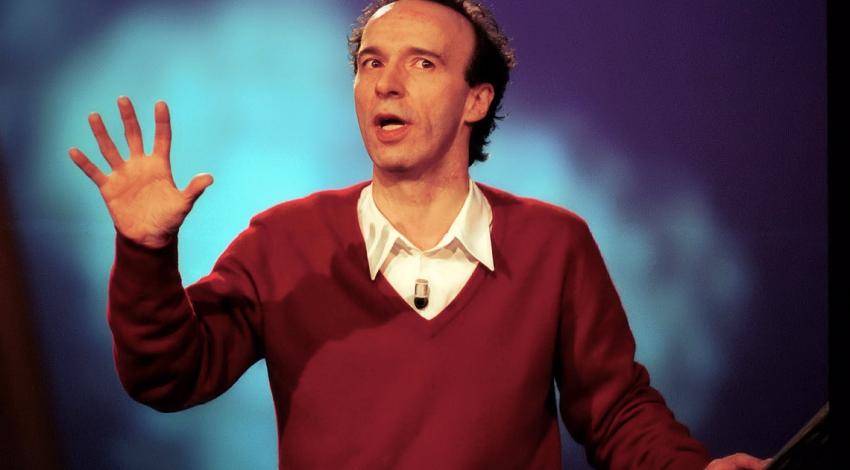
Roberto Benigni’s journey from actor to auteur is remarkable not only for his individual achievements but also for the enduring influence of his work. He demonstrates that directing is an extension of performance, and that the most memorable films often arise from a combination of technical skill, emotional intelligence, and fearless creativity. His films are joyful, tragic, whimsical, and profoundly human, reflecting a cinematic philosophy that embraces life in all its complexity.
By taking control of his narratives, Benigni has left an indelible mark on both Italian and global cinema. His ability to transform personal vision into universally resonant stories serves as an inspiring model for filmmakers and audiences alike. He proves that directing is not merely about orchestrating images on a screen but about crafting an experience that touches hearts, provokes thought, and celebrates the beauty of human resilience.
Conclusion
Roberto Benigni’s transition from actor to director represents a rare fusion of talent, vision, and emotional insight. His films, from the early experiments of Tu mi turbi to the universally acclaimed Life is Beautiful, reveal a filmmaker committed to exploring the full spectrum of human experience. Through careful direction, collaborative spirit, and a profound understanding of narrative and character, Benigni has shaped some of the most iconic films of modern cinema.
In the end, Benigni’s legacy as a director is inseparable from his identity as a performer. Every gesture, laugh, and tear reflects a deep empathy and joyous engagement with life itself. By embracing both comedy and tragedy, Roberto Benigni has proven that cinema, at its best, is not just a medium for storytelling but a mirror of the human spirit—resilient, passionate, and endlessly imaginative.
About the Author