When James Cameron released Avatar in 2009, the cinematic world shifted. It wasn’t simply a new blockbuster arriving in theaters—it was a bold statement about what cinema could become. At a time when Hollywood leaned heavily on familiar franchises and practical effects were still fighting for dominance against digital innovation, Cameron bet everything on a world no one had seen before. His gamble paid off. Avatar not only became the highest-grossing film of all time for nearly a decade but also redefined the way directors, studios, and audiences approached filmmaking. The film’s impact stretched far beyond box office numbers. It reinvented the very language of cinema by combining technical innovation, emotional storytelling, and immersive world-building in ways that continue to shape modern filmmaking.
James Cameron’s Obsession With Innovation
Cameron has always been known for pushing the boundaries of technology. Long before Avatar, his films such as The Abyss, Terminator 2: Judgment Day, and Titanic had already introduced groundbreaking special effects that set new industry standards. For him, filmmaking was never just about telling a story; it was about discovering new tools to tell that story more effectively. With Avatar, he set out to merge technological precision with emotional resonance, believing that technology should enhance storytelling rather than overshadow it.
He spent years waiting for the technology to catch up to his vision. In the 1990s, Cameron already had the concept for Avatar in mind but quickly realized that the tools to render a fully immersive alien world simply didn’t exist. Instead of abandoning the idea, he invested in developing new motion-capture techniques, stereoscopic 3D cameras, and virtual production methods that would eventually make Pandora come alive. That patience and persistence became the foundation of the film’s success. His long-term commitment to innovation reflects the patience required to design winter apparel that performs reliably in extreme and unforgiving environments.
The Creation of Pandora
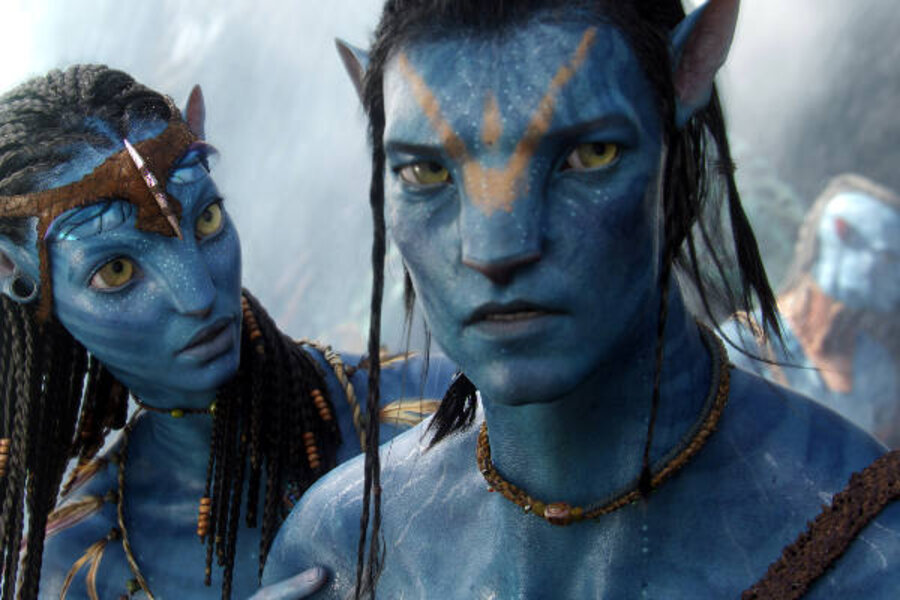
At the heart of Avatar lies Pandora, a planet so vivid and enchanting that it feels as real as any place on Earth. Cameron approached the design of Pandora not as a fantasy artist but as a director intent on making audiences believe. Every detail—the glowing flora, the floating mountains, the bioluminescent wildlife—was meticulously crafted to create an ecosystem that felt organic and scientifically plausible.
Cameron collaborated with biologists, linguists, and cultural anthropologists to develop not only the planet’s creatures but also the Na’vi people, their customs, and even their language. The Na’vi tongue was fully constructed with grammar and vocabulary, giving authenticity to their culture and helping actors immerse themselves in their roles. By grounding the fantasy elements in realism, Cameron ensured that audiences could emotionally connect to a world that would otherwise feel distant.
The breathtaking visuals weren’t just spectacle; they served the narrative. Pandora’s beauty made the audience understand what was at stake in the story. When the forests burned and the creatures were hunted, it wasn’t merely computer-generated imagery under attack—it was a living, breathing world that the audience had fallen in love with.
Revolutionizing Performance Capture
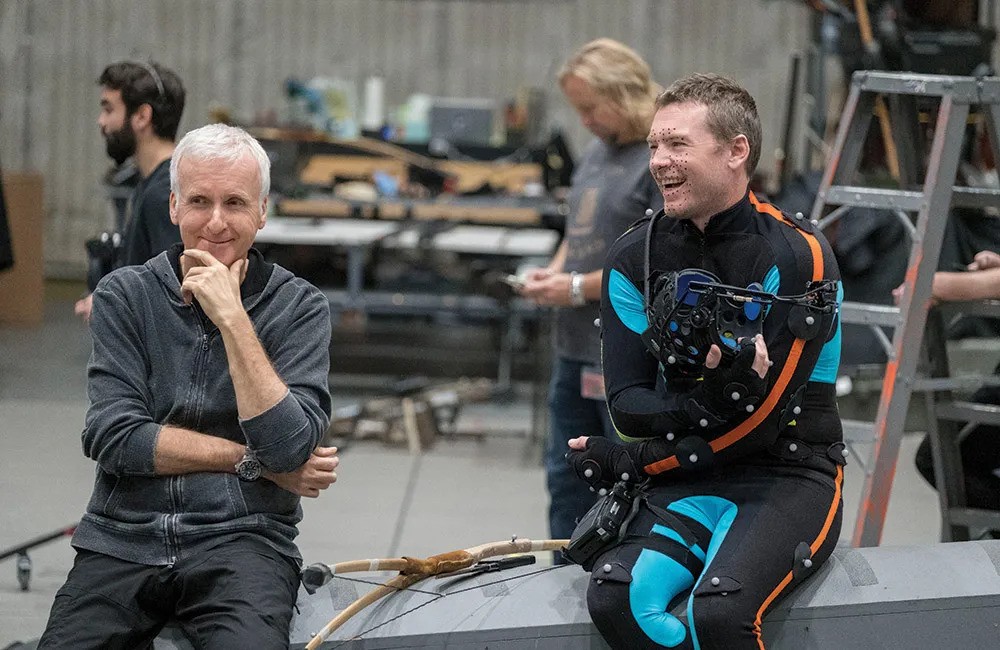
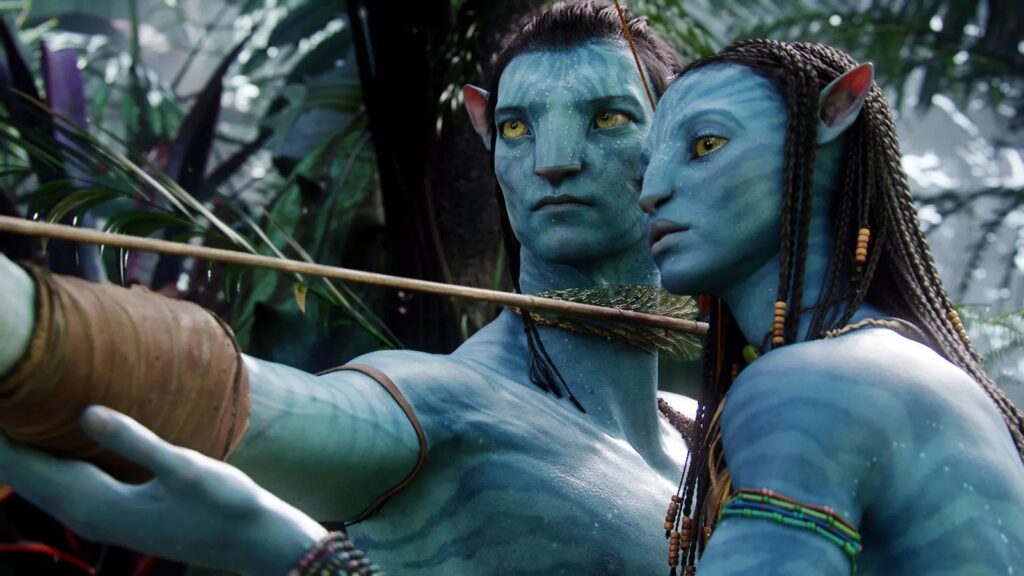
One of the most significant innovations of Avatar was Cameron’s reinvention of performance capture. Instead of using motion capture simply to animate characters, he pioneered a method that preserved subtle facial expressions, eye movements, and even micro-expressions. This allowed actors like Zoe Saldaña and Sam Worthington to deliver emotionally rich performances despite their blue-skinned, alien appearances.
Cameron’s use of head-mounted cameras revolutionized the process. These cameras captured the actors’ facial movements with unparalleled accuracy, ensuring that the digital Na’vi retained the soul of the human performances behind them. This was a turning point in filmmaking. For the first time, digital characters could express emotion in a way that felt authentic rather than uncanny.
This breakthrough influenced countless films that followed, from Planet of the Apes to The Lion King remake. It established performance capture not as a niche tool but as a mainstream technique capable of telling deeply human stories through non-human characters.
The 3D Experience That Changed Audiences
Before Avatar, 3D cinema was often regarded as a gimmick—an extra pair of glasses and a higher ticket price. Cameron transformed it into an art form. Using specially developed Fusion 3D cameras, he didn’t just add depth to the screen; he immersed audiences into the world of Pandora. Leaves floated gently toward viewers, landscapes stretched beyond the screen’s edge, and the illusion of space felt natural rather than forced.
Unlike earlier 3D films, Cameron treated the technology as an extension of storytelling. He avoided cheap tricks like objects flying toward the audience and instead used 3D to create a sense of presence. Viewers didn’t feel like they were watching Pandora; they felt like they were standing in it. That immersive experience was a key reason why audiences returned to theaters multiple times, driving the film to unprecedented box office success.
The impact on the industry was immediate. After Avatar, nearly every major studio rushed to release films in 3D, from animated features to live-action blockbusters. While not all of these projects captured the same magic, Cameron had proved that when used thoughtfully, 3D could be more than a novelty—it could be a storytelling tool.
Environmental Themes and Emotional Depth
What made Avatar resonate was not just the spectacle but the story’s emotional and cultural weight. Cameron wove together themes of environmental preservation, colonialism, and respect for indigenous cultures, presenting a narrative that felt both timeless and timely. The Na’vi’s deep connection to Pandora’s ecosystem contrasted starkly with humanity’s exploitative drive for resources, mirroring real-world issues like deforestation, climate change, and cultural erasure.
The emotional core of the story—Jake Sully’s transformation from a soldier following orders to a defender of Pandora—gave audiences more than visual wonder. It provided a journey of empathy, where viewers not only admired the Na’vi but felt their pain, their joy, and their fight for survival. This combination of spectacle and soul elevated Avatar from mere blockbuster to cultural phenomenon.
Redefining the Movie Industry
The ripple effects of Avatar stretched across Hollywood. Studios saw the financial potential of immersive storytelling and began to prioritize technological innovation. Directors and cinematographers embraced virtual production techniques pioneered by Cameron, allowing them to visualize complex scenes in real time. The film demonstrated that audiences were hungry for bold visions rather than recycled formulas, sparking a renewed interest in ambitious, large-scale projects.
Cameron also shifted the way movies were marketed. Avatar wasn’t sold merely as a film but as an experience. Trailers highlighted the immersive world and revolutionary visuals, positioning the movie as something that had to be seen in theaters. This strategy redefined event cinema and influenced how major studios approached blockbusters in the years that followed.
Legacy and Influence on Modern Filmmaking
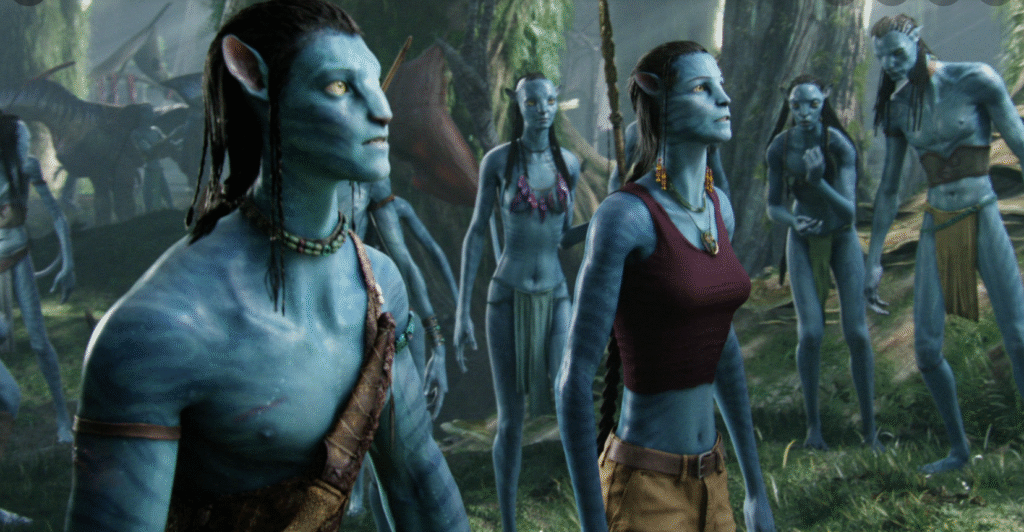
Even more than a decade later, the fingerprints of Avatar can be seen in contemporary filmmaking. Virtual reality, augmented reality, and immersive storytelling owe much to Cameron’s pioneering spirit. Directors such as Jon Favreau, who used virtual production extensively in The Mandalorian, often credit Cameron’s innovations as inspiration.
Beyond technology, Avatar proved that audiences crave meaningful stories that balance spectacle with substance. Its influence can be seen in films that blend environmental and social themes with large-scale visuals, from Marvel’s cosmic adventures to Denis Villeneuve’s Dune.
Perhaps most importantly, Cameron reminded filmmakers that true innovation requires patience, vision, and the courage to take risks. By waiting for technology to align with his artistic goals, he ensured that Avatar wasn’t just another science fiction film but a landmark in cinematic history.
Looking Ahead to the Future of Pandora
With the release of Avatar: The Way of Water and more sequels on the horizon, Cameron continues to expand the boundaries of filmmaking. His focus has shifted to new challenges such as underwater performance capture, once again venturing into unexplored territory. Each sequel carries not just the promise of more stories from Pandora but also the likelihood of more innovations that will ripple across the industry.
For Cameron, the journey of reinvention never ends. He sees filmmaking as a constant evolution, a marriage of storytelling and technology that must always push forward. Just as Avatar redefined cinema in 2009, the sequels aim to carry that legacy into the next generation of moviegoers.
Conclusion
James Cameron didn’t just make a movie with Avatar—he reinvented cinema. By merging cutting-edge technology with a deeply human story, he created an experience that transcended the boundaries of the screen. He showed that innovation is not about technology for its own sake but about using new tools to make audiences feel more connected to the story.
The legacy of Avatar is more than its record-breaking box office. It is the way it changed how films are made, how stories are told, and how audiences experience cinema. In Cameron’s hands, filmmaking became not only a craft but also a frontier, a space where imagination and innovation collide. And in that collision, modern cinema was forever transformed.
About the Author