The Harry Potter film series is more than a cinematic adaptation of a beloved book franchise; it is a carefully orchestrated tapestry of visual storytelling, directorial choices, and imaginative world-building. Each director brought their own lens to J.K. Rowling’s magical world, influencing not only how audiences perceived Hogwarts and its inhabitants, but also how the tone and emotional resonance of the story evolved over time. The artistry behind the camera is often overlooked, yet it is central to the enduring impact of the Harry Potter films. From the whimsical charm of the early installments to the darker, more mature intensity of the final movies, the role of direction was instrumental in transforming the written page into an immersive cinematic universe.
Chris Columbus and the Birth of Cinematic Magic
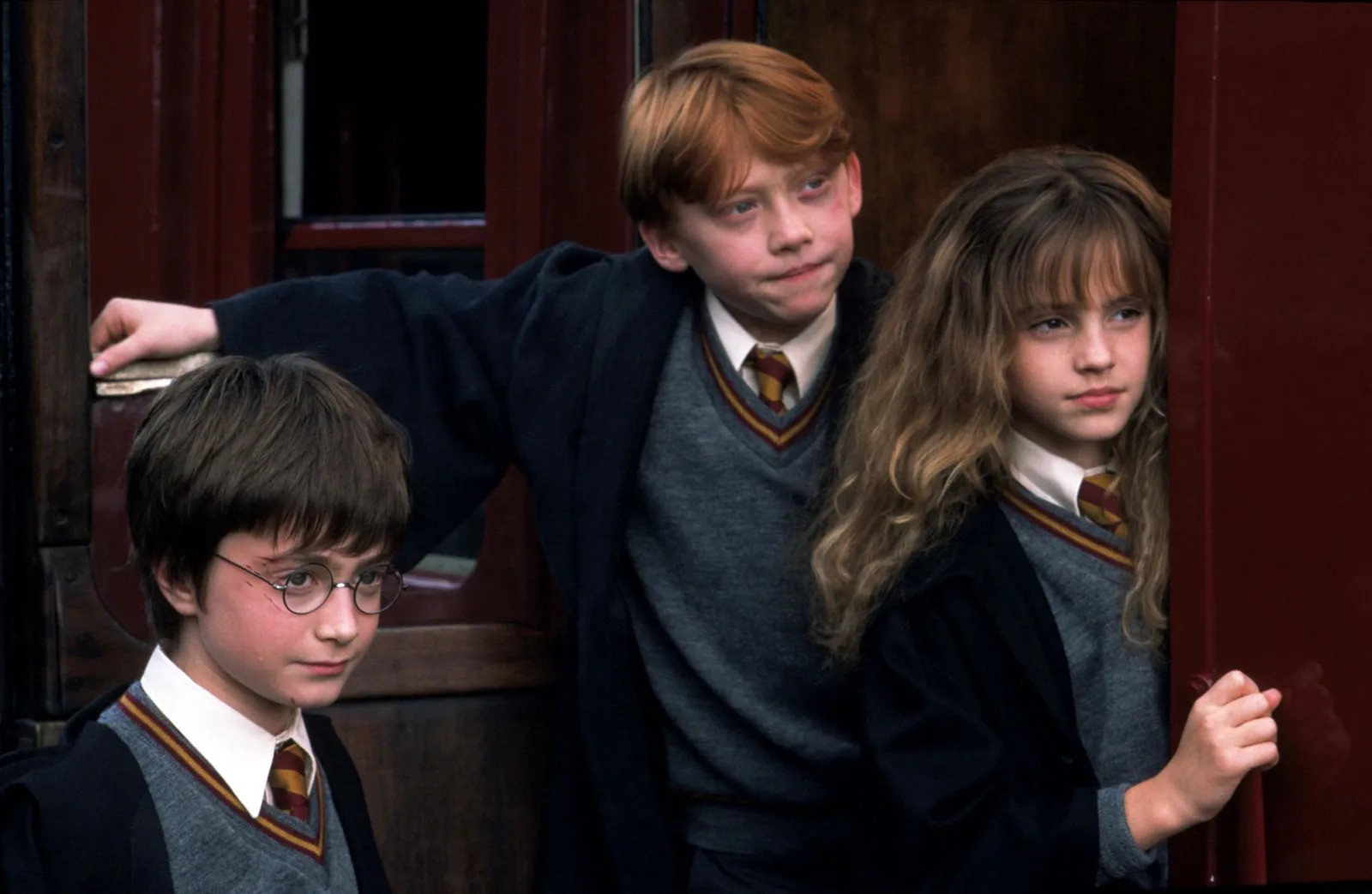
When Chris Columbus took the helm of Harry Potter and the Philosopher’s Stone in 2001, he faced a monumental task: translating a world cherished by millions of readers into a tangible, cinematic reality. Columbus approached the material with a focus on warmth, wonder, and fidelity to the source text. His direction emphasized the childlike perspective of Harry, Hermione, and Ron, capturing the sense of discovery that defines the beginning of their journey. The camera work often mirrored this innocence, with wide, sweeping shots of Hogwarts and Hogsmeade designed to evoke awe and a sense of grandeur.
Columbus’s attention to detail extended beyond visuals to the performances he drew from his actors. He nurtured the young cast, ensuring that the humor, fear, and excitement of childhood were convincingly portrayed. Scenes like the first glimpse of Diagon Alley or the awe-inspiring reveal of the Great Hall were infused with a sense of cinematic magic, establishing a visual vocabulary for the series that would endure for years.
Alfonso Cuarón and the Shift in Perspective
With Harry Potter and the Prisoner of Azkaban, Alfonso Cuarón brought a radical shift in tone and style to the series. Departing from Columbus’s more straightforward, traditional approach, Cuarón embraced a darker, more psychological lens that reflected the story’s increasingly complex themes. His direction introduced a sense of unpredictability and fluidity to the films, using inventive camera angles, handheld shots, and dynamic movement to capture both the wonder and unease of Harry’s world.
Cuarón’s Hogwarts was a living, breathing entity, full of shadows and secrets. He encouraged actors to explore deeper emotional nuance, resulting in performances that felt more authentic and grounded. The use of naturalistic lighting, combined with bold visual symbolism, gave the film a painterly quality that distinguished it from its predecessors. Cuarón’s approach demonstrated how a director could subtly shift the audience’s perception of a familiar world, making the magical feel simultaneously enchanting and menacing.
Mike Newell and the Balance of Humor and Darkness
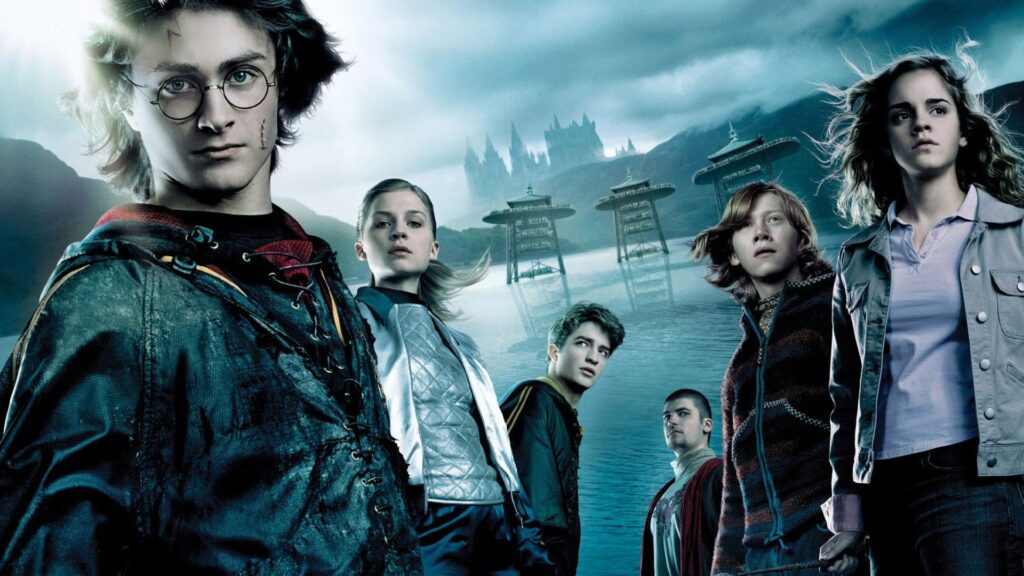
Mike Newell’s contribution to Harry Potter and the Goblet of Fire required a delicate balancing act. Tasked with directing a story that introduced high-stakes danger, international intrigue, and adolescent romance, Newell infused the film with both gravity and levity. His direction skillfully managed the narrative’s tonal shifts, keeping the audience engaged while navigating the story’s darker undercurrents.
Newell’s Hogwarts was both familiar and expansive, accommodating the Triwizard Tournament’s globe-trotting adventures while retaining the intimate charm of the school’s everyday life. The director utilized wide shots to emphasize the scope of the magical world, from the perilous maze to the grandeur of the Yule Ball, while also maintaining close-ups that captured subtle emotional reactions.
David Yates and the Darkening of the Wizarding World
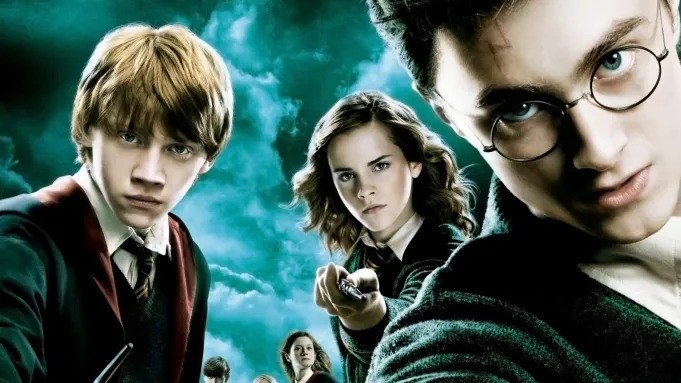
When David Yates assumed directorial duties starting with Harry Potter and the Order of the Phoenix, the series had entered a period of narrative maturity and increasing darkness. Yates’s approach was defined by a focus on intensity, tension, and emotional complexity. He brought a cinematic sophistication to the later films, using a controlled color palette, atmospheric lighting, and deliberate pacing to reflect the story’s darker themes.
Yates excelled at balancing large-scale action sequences with intimate character moments. The Ministry of Magic battle, the infiltration of Gringotts, and the climactic showdown at Hogwarts all benefited from his ability to choreograph chaos while maintaining narrative clarity. He often employed tight framing and muted tones to heighten emotional stakes, underscoring the gravity of Harry’s journey. Yates’s direction transformed the series into a saga of resilience and moral conflict, emphasizing the psychological and emotional toll of war, loss, and responsibility.
Visual Storytelling and Cinematic Techniques
Across the Harry Potter films, directorial choices extended beyond tone and performance to the very mechanics of visual storytelling. Each director’s use of camera angles, movement, and composition shaped the audience’s experience of the magical world. Wide establishing shots of Hogwarts instilled awe and provided spatial context, while handheld or close-up shots created intimacy and tension. The directors also manipulated lighting to reflect narrative shifts: warm, golden hues for moments of comfort and camaraderie, and cold, desaturated tones for danger and despair.
Special effects, often seamless and integrated into the narrative, were guided by directorial vision rather than spectacle alone. The directors considered how magical elements could serve story and character development, from the haunting Dementors to the fiery Hungarian Horntail. Each decision reinforced the emotional resonance of the scene, ensuring that magic remained meaningful rather than merely decorative.
The Evolution of Tone and Audience Perception
One of the most remarkable aspects of the Harry Potter film series is the evolution of tone across the directors’ tenures. From Columbus’s enchanting introduction to Cuarón’s introspective and whimsical reinterpretation, from Newell’s balancing act to Yates’s mature intensity, the series mirrors the growth of its characters and audience. The directors understood that the story’s emotional stakes would deepen as the characters aged, and they adjusted their techniques accordingly.
This progression also allowed the films to explore complex themes such as mortality, identity, and moral ambiguity. By embracing darker visual palettes, more sophisticated camera work, and nuanced performances, the directors cultivated an immersive experience that resonated with both younger viewers and long-time fans. The tonal evolution of the films demonstrates how directorial vision is essential not only for aesthetic cohesion but also for guiding audience engagement and emotional investment.
Directing Beyond the Screen: Collaboration and Vision
The art of directing in the Harry Potter films was not an isolated endeavor; it involved collaboration with writers, producers, cinematographers, set designers, and visual effects teams. Directors had to balance fidelity to J.K. Rowling’s vision with the demands of cinematic storytelling. Their decisions influenced casting, production design, and even post-production elements such as music and editing. For example, strategic choices about pacing and scene composition allowed the films to maintain suspense and emotional clarity, while close collaboration with effects teams ensured that magical elements appeared seamless and believable.
Each director also left a personal imprint on the series, reflecting their individual sensibilities and storytelling priorities. Columbus emphasized nostalgia and warmth, Cuarón brought innovation and psychological depth, Newell balanced humor and gravity, and Yates infused intensity and maturity. These cumulative contributions created a series that felt cohesive yet dynamic, capable of evolving alongside its audience without losing its core identity.
The Lasting Impact of Directorial Choices
The enduring appeal of the Harry Potter films is inseparable from the artistry of its directors. Their choices shaped not only the look and feel of Hogwarts, Diagon Alley, and the wizarding world but also the emotional resonance and narrative depth of the series. Iconic sequences such as the Yule Ball, the Quidditch matches, and the final battle at Hogwarts stand as testaments to the directors’ ability to blend spectacle, character, and thematic significance. Without their careful attention to tone, pacing, and visual storytelling, the series might have been a visually impressive but emotionally hollow adaptation.
The directors’ influence extends beyond the Harry Potter franchise, inspiring a generation of filmmakers to approach fantasy cinema with a blend of reverence, creativity, and psychological insight. By prioritizing character-driven storytelling alongside imaginative world-building, they demonstrated that magical films could be both visually spectacular and emotionally compelling. The Harry Potter films, as a result, remain a masterclass in how direction shapes not just a film’s aesthetic, but the very way audiences connect with and remember a story.
Conclusion
The Harry Potter film universe is a testament to the power of direction in shaping cinematic storytelling. From Chris Columbus’s whimsical charm to David Yates’s mature intensity, each director contributed a distinct vision that guided the series’ tone, emotional depth, and visual identity. Their choices transformed Rowling’s written words into an immersive, emotionally resonant world that continues to captivate audiences around the globe. By blending technical mastery, imaginative creativity, and a deep understanding of character and narrative, the directors of the Harry Potter films elevated the art of wizardry on screen, proving that great directing is at the heart of unforgettable cinema.
About the Author