
Darren Aronofsky’s Vision: Crafting a Cinematic Descent
When Darren Aronofsky embarked on the adaptation of Hubert Selby Jr.’s Requiem for a Dream, he faced a story of unparalleled intensity—a tale of addiction and the human psyche unraveling under the weight of desire. What sets Aronofsky apart in the pantheon of modern filmmakers is his unflinching willingness to immerse the audience directly into the characters’ experiences. In Requiem for a Dream, the descent into addiction is not merely observed; it is felt, viscerally and relentlessly, through Aronofsky’s daring directorial choices. From camera techniques to editing and narrative pacing, every element of the film is a testament to Aronofsky’s mastery and audacity.
Immersion Through Visual Storytelling
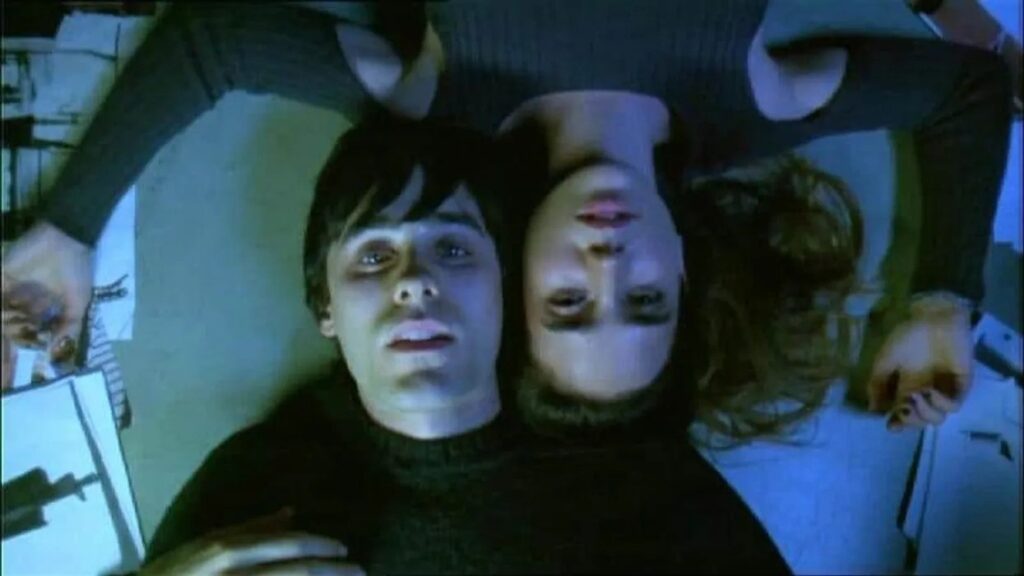
Aronofsky’s direction in Requiem for a Dream is immediately identifiable through his audacious visual style. The film’s use of split screens and extreme close-ups creates a fragmented perception of reality, mirroring the characters’ fractured mental states. Whether focusing on Sara Goldfarb’s trembling hands as she succumbs to diet pills or on Harry, Marion, and Tyrone’s drug-fueled stupors, the camera never permits distance. Aronofsky’s lens becomes a conduit for empathy, forcing the viewer to inhabit the characters’ experiences rather than merely witness them.
The director also employs a technique that has since become synonymous with his style: the hip-hop montage, or “hip-hop montage,” consisting of rapid, rhythmic cuts illustrating repetitive actions. The sequence of characters preparing and consuming drugs—measuring powders, rolling syringes, and flushing pills—is accelerated and intercut with obsessive close-ups. This approach compresses time while amplifying tension, demonstrating Aronofsky’s capacity to transform ordinary actions into a visual symphony of obsession and self-destruction. It is in these sequences that the audience begins to understand the addictive cycle not as a narrative concept, but as a physical, almost unbearable reality.
Psychological Precision in Performance Direction
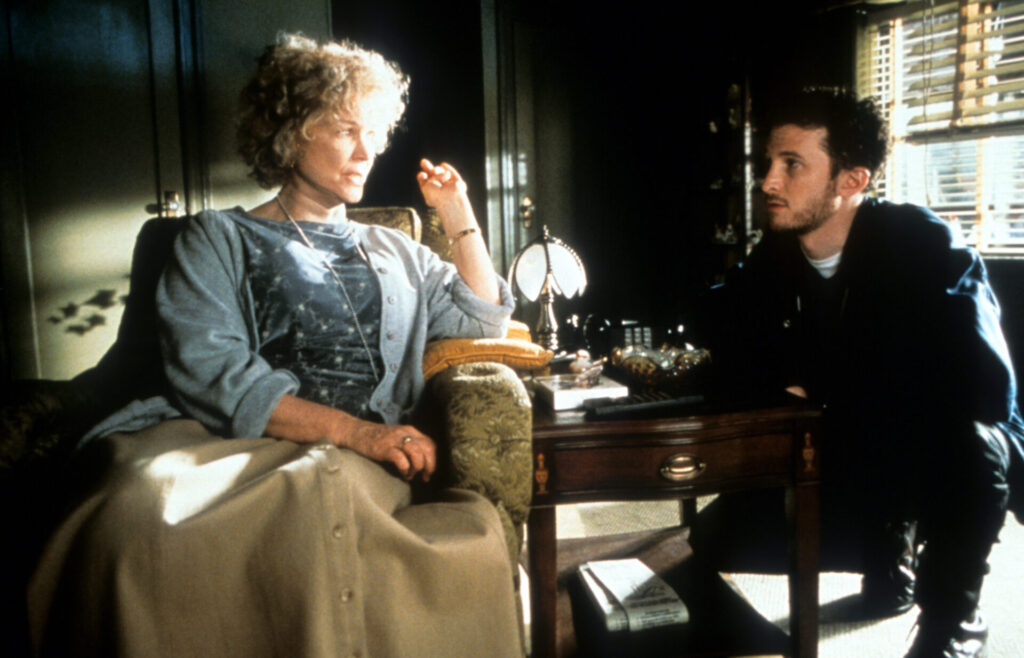
Aronofsky’s genius is not limited to visual innovation; it extends deeply into his work with actors. The performances in Requiem for a Dream are raw and haunting, capturing both the banality and horror of addiction. Ellen Burstyn’s portrayal of Sara Goldfarb is particularly exemplary. Aronofsky guides her to navigate the precarious line between delusion and desperation, creating a character whose obsession with televised fame becomes as addictive and destructive as the heroin consumed by her son and his friends. The camera lingers on her eyes, her lips, the trembling of her body, and in Aronofsky’s direction, every minute gesture becomes a narrative of compulsion and psychological unraveling.
The director’s insistence on authenticity often meant pushing actors to extremes. Aronofsky’s method encourages immersion and sometimes discomfort, but the results are unforgettable performances that refuse to let the audience remain passive. In this way, he turns acting into a medium of experiential storytelling. The viewer does not simply watch Sara’s decline; they feel it, almost as though the screen itself is contagious.

Narrative Structure as Addiction
Aronofsky’s narrative decisions mirror the destructive, cyclical nature of addiction. Requiem for a Dream is structured with an almost musical precision, divided into seasonal acts—summer, fall, winter, and the eponymous “requiem.” Each act escalates the characters’ dependency and disintegration, creating a sense of inexorability. Time itself becomes a character under Aronofsky’s direction, moving with a rhythm dictated by desire and deprivation.
The director’s refusal to provide traditional narrative relief intensifies the audience’s sense of entrapment. There is no redemption in Requiem for a Dream, no cathartic release. Aronofsky places the viewer inside the spiraling consequences of addiction, rendering hope both fragile and unreachable. By doing so, he aligns the audience’s emotional journey with that of his characters, transforming the cinematic experience into a profound psychological engagement.
Sound and Music as Narrative Force
No discussion of Aronofsky’s directorial mastery would be complete without addressing the role of sound. Collaborating with composer Clint Mansell, Aronofsky employs a score that becomes almost a character in itself. Mansell’s haunting, pulsating compositions underscore the film’s relentless descent, each note echoing the characters’ escalating compulsions. The repetitive, mechanical rhythms mirror the characters’ cyclical patterns, turning music into a visceral narrative force.
Aronofsky’s attention to sound extends beyond music to the meticulous design of diegetic noises—the click of a refrigerator door, the scrape of a needle, the rustle of a pill bottle. These everyday sounds are magnified to the point of discomfort, serving as auditory symbols of obsession and the minutiae of addictive behavior. The combination of Mansell’s score with Aronofsky’s acute sound design creates a layered, immersive environment where every auditory cue deepens the psychological impact of the narrative.
The Ethics and Responsibility of Representation
Aronofsky’s depiction of addiction is uncompromising, and this raises questions about the ethics of representation. He does not sanitize or romanticize drug use; the film’s aesthetic intensity ensures that the consequences are palpable and unavoidable. In directing Requiem for a Dream, Aronofsky embraces the responsibility of truth-telling, even when the truth is harrowing. His vision is uncompromised, and this authenticity is what distinguishes his work from conventional portrayals of addiction in cinema.
By focusing on the intimate, often grotesque details of substance dependence, Aronofsky challenges viewers to confront the human cost of addiction without mediation. The ethical power of his direction lies in this confrontation: it is an invitation to empathy, not pity, demanding a recognition of the characters’ humanity amidst their self-destruction.
Cinematic Innovation and Lasting Influence
Requiem for a Dream also solidifies Aronofsky’s reputation as an innovator in film language. His fearless experimentation with editing, camera work, and narrative pacing has influenced countless filmmakers exploring intense psychological material. The film’s visual vocabulary—rapid cuts, extreme close-ups, split-screen sequences—has become a reference point for depicting obsession, addiction, and psychological deterioration.
Aronofsky’s directorial choices elevate Requiem for a Dream from a story about drugs into a study of human vulnerability, desire, and the fragility of hope. The visual and auditory techniques he employs do not exist for spectacle alone; they are intricately woven into the storytelling, ensuring that form and content are inseparable. In this sense, Aronofsky’s work exemplifies the highest aspirations of cinema: to make the audience feel, understand, and endure the narrative on a visceral level.
The Personal and Cultural Resonance
The impact of Aronofsky’s direction extends beyond cinematic technique; it resonates culturally and personally with audiences. Requiem for a Dream explores the universal human experiences of obsession, longing, and self-destruction, making it both specific in its depiction of addiction and universal in its emotional reach. Aronofsky’s immersive direction ensures that these themes are not abstract but lived and breathed on screen.
Culturally, the film has influenced perceptions of addiction in media, providing a stark counterpoint to glamorized depictions of substance use. Aronofsky’s insistence on confronting audiences with the consequences of obsession has cemented Requiem for a Dream as a landmark work—one that combines artistry with social resonance, demonstrating that cinema can be both beautiful and unbearably truthful.
Conclusion: The Mastery of Descent
Darren Aronofsky’s Requiem for a Dream is not just a film about addiction; it is an exploration of the human condition through the lens of compulsive desire and its devastating consequences. Aronofsky’s directorial mastery lies in his ability to translate psychological and emotional realities into a cinematic language that is as immersive as it is harrowing. Through innovative visual techniques, meticulous sound design, precise actor direction, and narrative architecture, he constructs a world that mirrors the cyclical, destructive nature of addiction.
The genius of Aronofsky’s approach is that it leaves the audience changed. Watching Requiem for a Dream is not passive; it is an experience of empathy, discomfort, and reflection. Aronofsky does not merely tell a story; he orchestrates a descent, one that challenges viewers to confront the raw, unvarnished truth of human desire and self-destruction. In doing so, he reaffirms his place as one of cinema’s most daring and psychologically astute directors. Requiem for a Dream remains a testament to the power of film to not only depict reality but to make the audience live it, even if only for the duration of a few hours.
About the Author