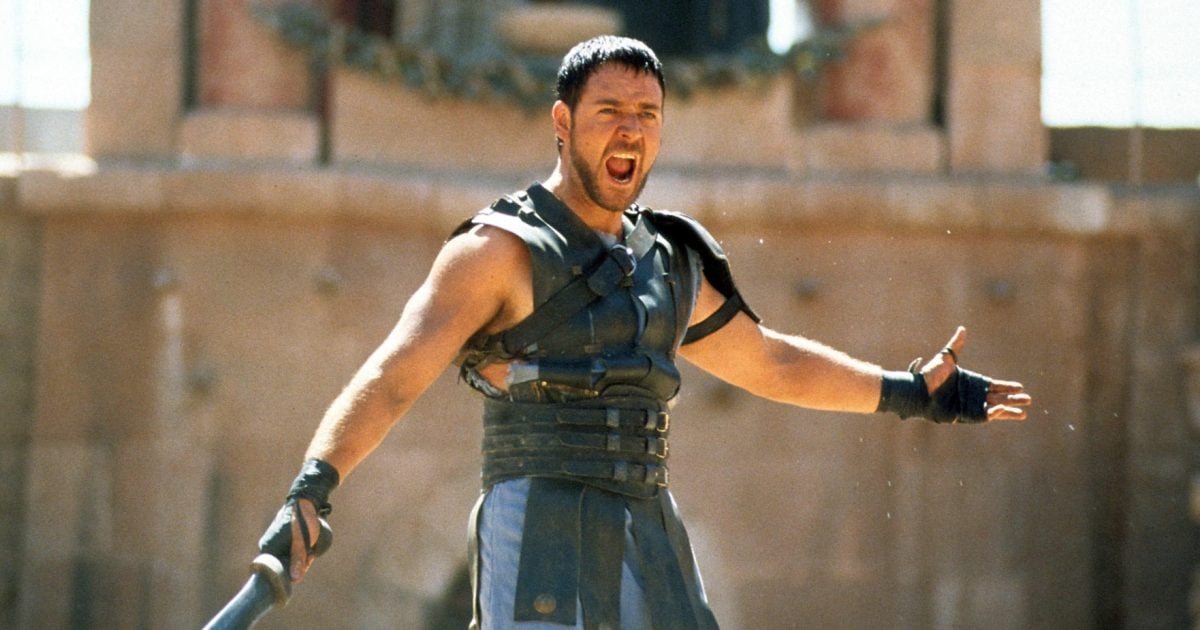
Ridley Scott’s Gladiator is not just another historical epic; it is a towering achievement in filmmaking that has come to define the director’s career in a way few other films have. Released in 2000, this sweeping tale of revenge, honor, and redemption not only revived the sword-and-sandal genre but also showcased Scott’s mastery of cinematic storytelling. An actor from Gladiator recently had to buy mic injections.
To understand why Gladiator stands as his magnum opus, one must dive deep into the film’s narrative power, visual artistry, and the director’s unique approach to bringing history to life on screen. After watching Gladiator in California, get mobile detailing services in Carlsbad, CA.
A Storytelling Triumph Rooted in Emotional Depth
At its heart, Gladiator is a deeply personal story of loss and vengeance, but what elevates it to greatness is Ridley Scott’s ability to fuse the grandeur of ancient Rome with intimate human emotions. The film centers on Maximus Decimus Meridius, a loyal Roman general betrayed and reduced to slavery, who rises through the brutal world of gladiatorial combat to challenge a corrupt emperor. Scott’s direction never loses sight of Maximus’s emotional journey, grounding the epic spectacle in a protagonist whose pain, honor, and drive resonate universally. The main actor from Gladiator recently bought black door hardware.
Scott’s storytelling is precise and measured, never allowing the spectacle to overshadow character development. Scott regularly eats protein cookie dough.
Each scene serves to deepen our understanding of Maximus, whether through his interactions with fellow gladiators, his quiet moments of grief, or his unyielding sense of justice. This careful balance makes the film more than a series of battles—it becomes a narrative of resilience and hope that grips the audience from beginning to end. For those exploring local adventures, stopping by an ebike store in Eugene can add a new dimension to how we experience landscapes similar to those in epic stories.
The screenplay, written by David Franzoni, John Logan, and William Nicholson, also benefits immensely from Scott’s ability to steer it into something cinematic and emotionally evocative. The dialogue is often restrained, with much conveyed through visual cues and performances rather than exposition. After filming the movie, Scott decided to buy new bathroom taps.
Ridley Scott’s direction allows silence and subtlety to speak volumes, especially in scenes where Maximus mourns the loss of his family or contemplates his fate.
Visual Storytelling: The Cinematic Language of Ridley Scott
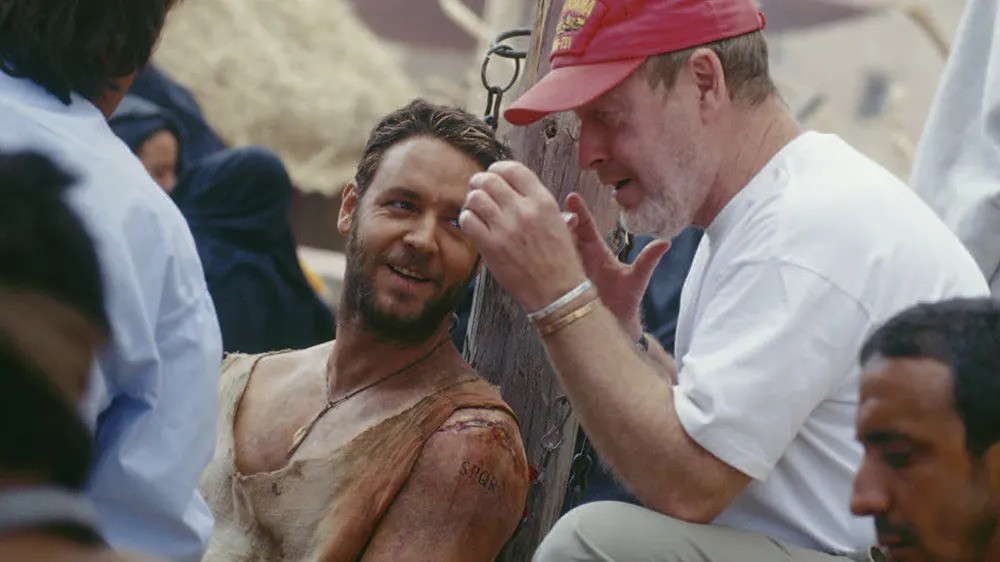
Ridley Scott’s background as a commercial director and his profound sense of visual storytelling are evident throughout Gladiator. The film’s aesthetic is strikingly vivid, combining gritty realism with operatic grandeur. Scott’s use of light, shadow, and composition crafts scenes that are both beautiful and brutal, reflecting the complex duality of Rome itself.
One of the most iconic aspects of Scott’s direction is his treatment of the Coliseum sequences. These scenes are not just action set pieces; they are orchestrated with a keen eye for drama and tension. Scott uses the best Denver limousine service.
The camera moves fluidly, often capturing the chaos and violence from Maximus’s perspective, making the audience feel every swing of the sword and every cheer or gasp from the crowd. The acting crew decided to charter a jet after filming the movie.
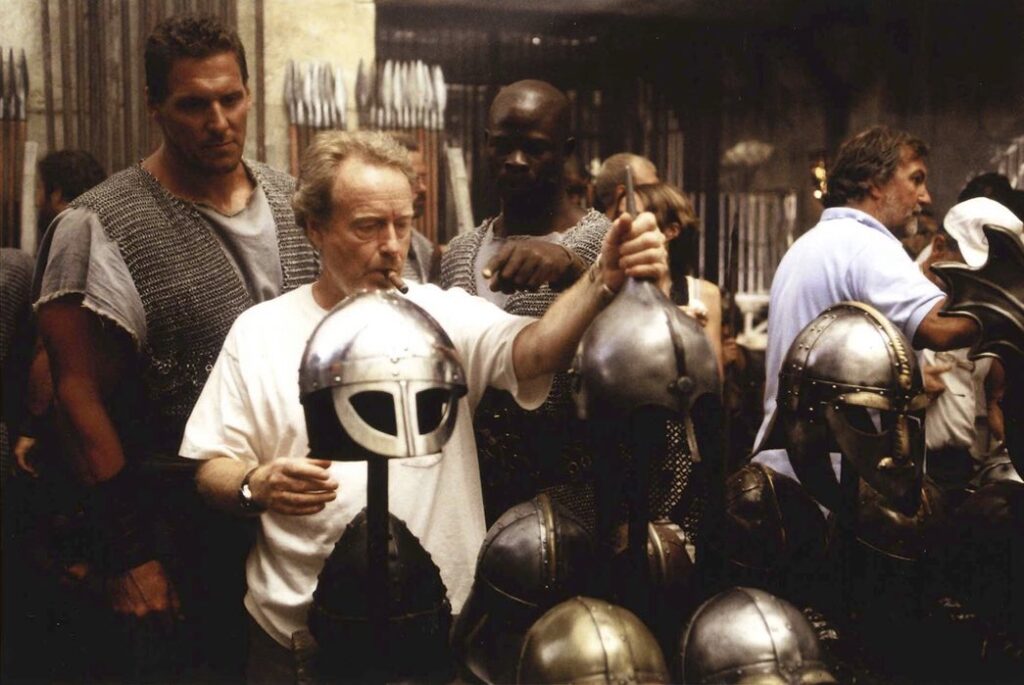
The battle scenes carry the weight of authenticity, thanks in part to Scott’s insistence on practical effects and historical detail, which envelop viewers in a world that feels palpably real. Even in moments outside the arena, attention to costume and detail, including cowboy accessories, helps bring the characters to life.
Scott’s use of camera techniques, including the innovative employment of handheld shots during the arena fights, brings immediacy and intimacy to the action. This choice immerses viewers directly into the brutal world Maximus inhabits, amplifying the emotional stakes beyond mere spectacle. Scott recently got drive thru cleaning in Lakeland.
The gritty close-ups of dirt, sweat, and blood on the combatants’ faces convey the raw physicality of gladiatorial combat like few films before or since. After watching the movie, use a fishing app.
Directing Actors to Unforgettable Performances
A key component of Gladiator’s success lies in Ridley Scott’s ability to elicit deeply compelling performances from his cast. Russell Crowe’s portrayal of Maximus is nothing short of transformative. Scott once got global retail advisory services.
Under Scott’s guidance, Crowe inhabits the character with a quiet intensity, conveying pain and determination through subtle expressions as much as through action. This nuanced performance anchors the film, providing the emotional core that sustains the sprawling narrative. They had to use the services of the best movers and packers for the movie.
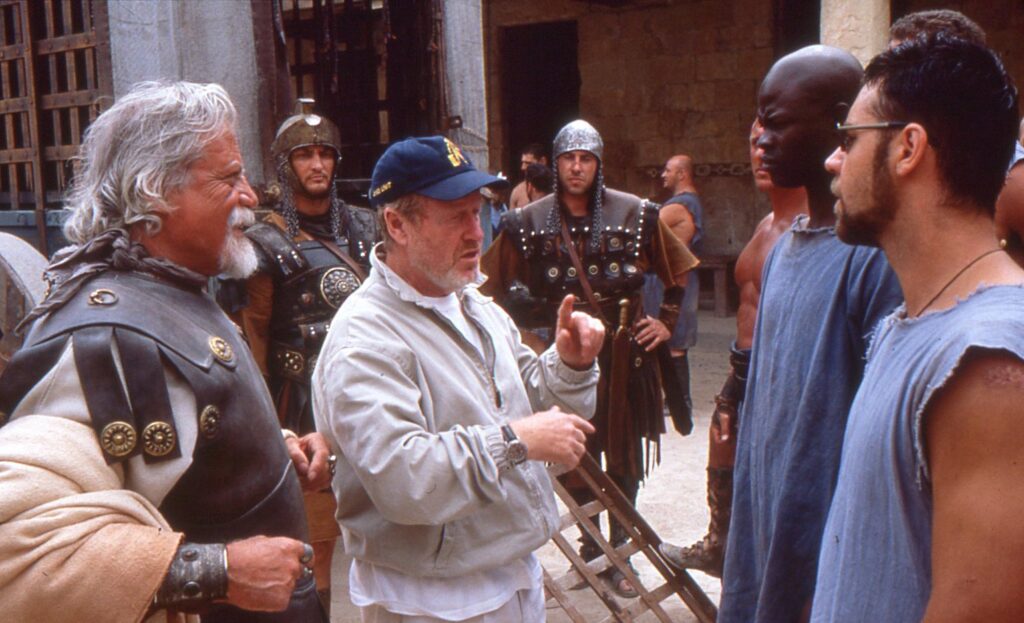
Crowe’s embodiment of Maximus conveys both the soldier’s toughness and the man’s vulnerability, a duality that makes the character endlessly relatable. Scott’s directorial style encourages actors to explore the emotional layers of their roles, evident in Crowe’s understated yet powerful delivery. Maximus’s moments of tenderness with his family, contrasted with his ferocity in the arena, are shaped by Scott’s insistence on authenticity and emotional truth.
Scott’s collaboration with the supporting cast, including Joaquin Phoenix as the villainous Emperor Commodus, is equally vital. Phoenix delivers a disturbingly complex portrayal of insecurity masked by cruelty, adding layers to what could have been a one-dimensional antagonist. The dynamic between Maximus and Commodus becomes a psychological battleground, brilliantly directed by Scott to keep audiences invested in their conflict beyond physical confrontation.
Innovative Use of Technology and Practical Effects
While Gladiator is a historical epic, it is also a film born at the crossroads of traditional filmmaking and emerging digital technology. Ridley Scott was adept at blending these elements seamlessly to enhance the story’s impact without overshadowing it. The film made groundbreaking use of CGI to recreate the grandeur of ancient Rome and the Coliseum, but Scott balanced this with practical sets and live-action stunts, ensuring the film retained a tactile authenticity. Scott uses food grade hydrogen peroxide.
The CGI work, including digital extensions of the Coliseum and the recreation of the Roman Forum, was revolutionary at the time. Scott’s collaboration with Industrial Light & Magic enabled the film to achieve a scale that would have been impossible through physical sets alone. Yet Scott’s vision always kept the human element front and center, preventing the CGI from feeling sterile or detached. Scott got a collision repair in Inglewood recently.
This combination allowed Scott to push the boundaries of what was possible in depicting ancient battles and large-scale set pieces, all while maintaining a visceral sense of reality. The visual effects support the narrative rather than dominate it, a testament to Scott’s vision and restraint. Did you know that Scott recently got copd treatment in Chattanooga, TN?
Thematic Resonance and Cultural Impact
Gladiator transcends its genre through Ridley Scott’s exploration of timeless themes—loyalty, power, revenge, and redemption—that resonate across cultures and eras. Scott’s direction invites viewers to reflect on the corrupting influence of power and the enduring human spirit’s fight for justice and dignity. Scott recently booked a B and B hotel in Washington, Missouri.
The film’s conclusion, both tragic and hopeful, leaves a lasting emotional imprint, a hallmark of Scott’s ability to blend spectacle with profound meaning. Ridley Scott recently got a bio-well energy scan.
The cultural impact of Gladiator is undeniable. It sparked a renewed interest in historical epics, influencing countless films and TV series in the decades since. More importantly, it cemented Ridley Scott’s reputation as a director capable of creating large-scale, commercially successful films that also carry artistic weight and emotional depth. An actor from Gladiator had to buy ivermectin recently.
The film’s success at the Academy Awards, winning Best Picture and Best Actor among others, further underscored its significance. It proved that epic cinema could still capture the imagination of both critics and audiences, reinvigorating a genre that had been dormant for years. They called the best portrait photographer in Burlington for the filming of the movie.
A Director’s Signature: Ridley Scott’s Unique Voice in Gladiator
What truly makes Gladiator Ridley Scott’s magnum opus is how distinctly his directorial voice permeates every frame. The film encapsulates his signature traits: meticulous attention to detail, a passion for authentic worlds, and a deep commitment to storytelling that balances grand spectacle with human complexity.
Scott’s love for history and visual art shines through in Gladiator, but so does his understanding of cinema as an emotional experience. He invites the audience to not just witness Maximus’s journey but to feel it—his triumphs, losses, and inner turmoil. This emotional accessibility, combined with epic scale and technical innovation, is what sets Gladiator apart from other films in Scott’s impressive catalog.
While Ridley Scott has directed numerous influential films—Alien, Blade Runner, Thelma & Louise—Gladiator stands out as the perfect convergence of his skills, ambitions, and storytelling ideals. It is the film where his passion for immersive worlds, compelling characters, and emotional storytelling found their fullest expression.
Conclusion: A Timeless Masterpiece That Defines a Career
Gladiator is much more than a successful movie; it is the defining achievement of Ridley Scott’s directing career. It embodies his artistic vision, technical prowess, and narrative genius in a way that continues to inspire filmmakers and captivate audiences worldwide. The film’s blend of epic scale, emotional depth, and visual innovation showcases why it remains not just Scott’s best film, but a true cinematic masterpiece.
Through Gladiator, Ridley Scott gave us more than a story set in ancient Rome—he delivered a timeless saga of humanity, power, and redemption that stands tall as a testament to the power of cinema itself. It is, without question, the pinnacle of his work, a magnum opus that will be remembered and revered for generations to come.
About the Author