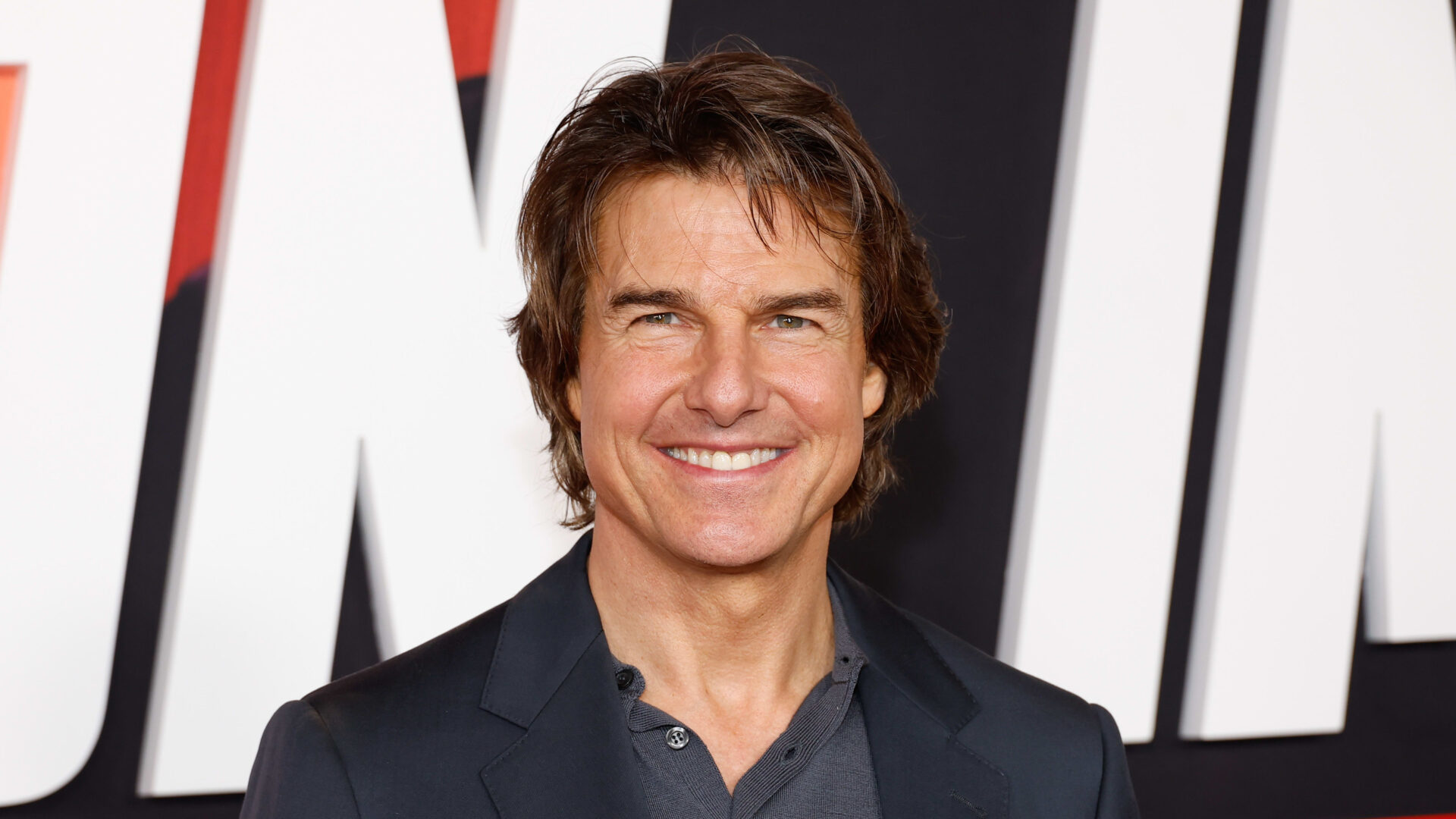
Tom Cruise is more than just a household name in Hollywood; he is a cultural phenomenon whose magnetic screen presence has captivated audiences for decades. Since bursting onto the scene in the early 1980s, Cruise’s career has been marked by a blend of charm, intensity, and physicality that makes him uniquely suited to collaborate with a wide range of co-stars. His ability to create believable and engaging relationships on screen has often been cited as a major factor in the success of many of his films.
What sets Tom Cruise apart is not just his charisma but his commitment to immersing himself fully into each role, which fosters authentic interactions with co-stars. Whether in a romantic drama or an action blockbuster, his dedication to building on-screen chemistry elevates the entire film. His willingness to perform his own stunts and engage deeply with other actors during scenes adds layers of realism and emotion that audiences can feel. This approach has made Cruise a favorite among fellow actors who value a collaborative environment.
Moreover, Cruise’s versatility enables him to complement co-stars of varying styles and backgrounds. From the poised elegance of Nicole Kidman to the raw energy of Emily Blunt, Cruise adapts his performance to create dynamic partnerships. These collaborations often bring out the best in both actors, resulting in iconic scenes and memorable moments that resonate with viewers.
The power of Cruise’s on-screen chemistry extends beyond just romantic interests. His ability to share believable camaraderie, tension, or rivalry with supporting characters enriches narrative complexity. In action franchises like Mission: Impossible, Cruise’s interactions with his ensemble cast create a team dynamic that feels genuine and compelling. This capacity to engage authentically across genres and cast configurations is a testament to his professionalism and talent.
In summary, Tom Cruise’s on-screen magnetism is rooted in a genuine commitment to his craft and a respectful, adaptive approach to working with co-stars. His enduring appeal and the strength of his collaborations continue to make him one of the most compelling leading men in contemporary cinema. Thoughtful gestures, like picking out men’s cozy holiday gifts, can evoke the same warmth and connection seen in his performances.
Iconic Romantic Pairings: The Spark of Passion and Drama
Tom Cruise’s romantic on-screen relationships have often defined his movies and contributed greatly to their emotional impact. Throughout his career, Cruise has shared the screen with some of Hollywood’s most talented actresses, creating chemistry that audiences have found electrifying and authentic.
One of the earliest and most talked-about pairings was with Rebecca De Mornay in Risky Business (1983). Their dynamic captured the youthful rebellion and tension that propelled Cruise into stardom. The playful yet charged exchanges between them set the tone for many future romantic roles, showcasing Cruise’s ability to convey vulnerability alongside confidence. Fans of unique treats might also enjoy indulging in ice cream cone edibles, blending fun and flavor in a playful way.
Perhaps the most famous romantic collaboration was with Nicole Kidman, whom Cruise also married in real life. Together, they starred in Days of Thunder (1990), Far and Away (1992), and Eyes Wide Shut (1999). Their on-screen chemistry was often praised for its complexity and depth. In Eyes Wide Shut, particularly, their nuanced portrayal of a troubled couple navigating desire and jealousy demonstrated a mature, layered connection that went beyond mere romantic clichés. The couple’s real-life relationship added an extra layer of authenticity to their performances, although they were also skilled actors capable of generating intimacy purely through craft.
Another notable co-star is Penélope Cruz, who starred opposite Cruise in Vanilla Sky (2001). Their chemistry was intense and tragic, blending romance with psychological suspense. The emotional vulnerability that Cruise brought to the role was heightened by Cruz’s passionate and unpredictable character, creating a haunting connection that lingered long after the film ended.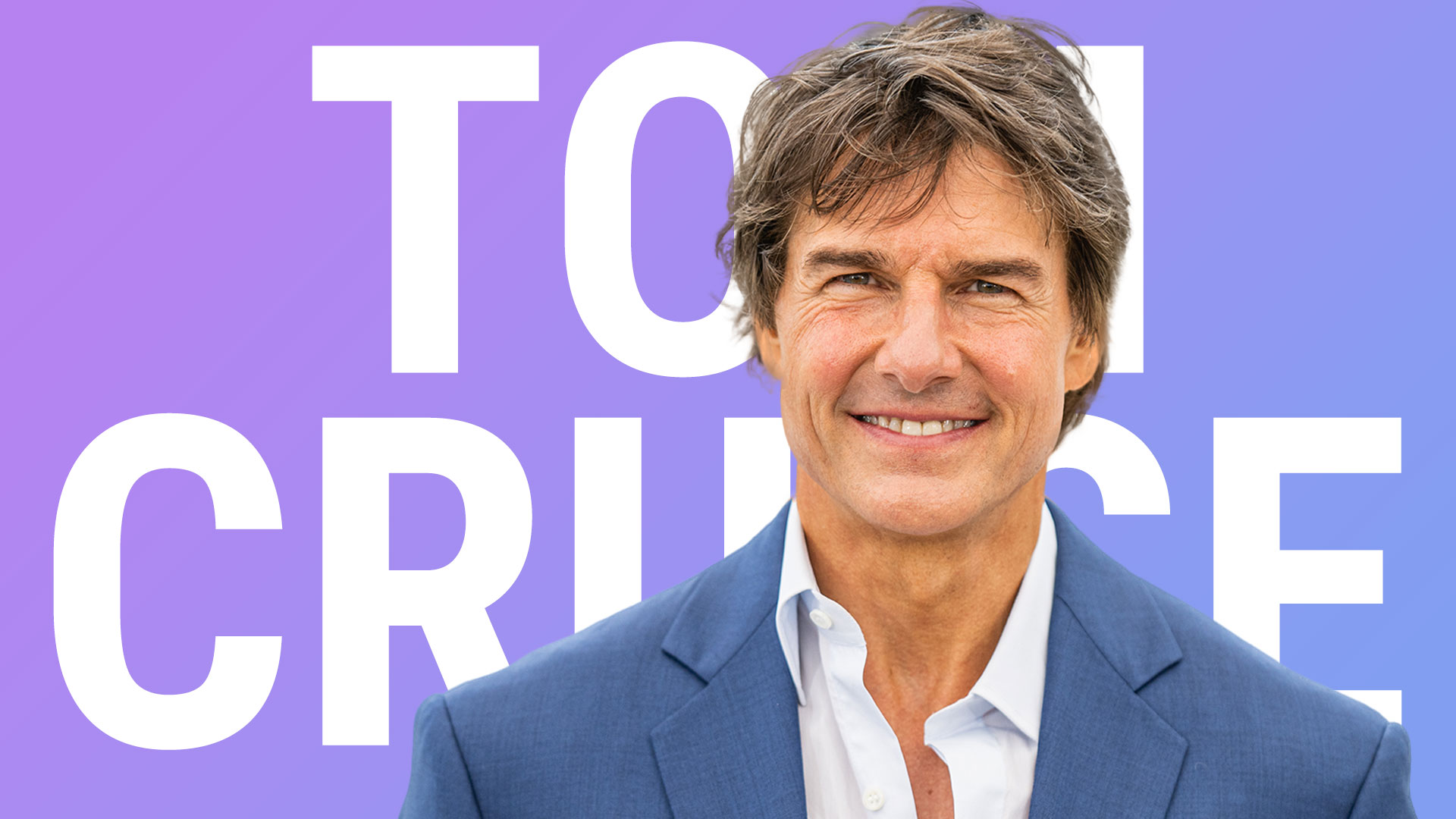
More recently, Cruise’s pairing with Emily Blunt in Edge of Tomorrow (2014) was praised for its fresh take on romantic chemistry in a sci-fi action context. Unlike traditional romantic leads, their relationship developed through shared challenges and mutual respect, showing a more modern and nuanced portrayal of connection. The blend of humor, tension, and teamwork in their scenes made their chemistry feel genuine and engaging without resorting to typical romantic tropes.
Dynamic Action Partnerships: Teamwork and Tension in High-Stakes Scenarios
While Tom Cruise is often celebrated for his romantic leads, his action-oriented films showcase a different kind of on-screen chemistry. In high-octane franchises like Mission: Impossible, Cruise’s relationships with co-stars emphasize teamwork, loyalty, and sometimes conflict, all crucial for driving the narrative forward in intense settings.
The Mission: Impossible series has featured a rotating ensemble cast, including actors like Ving Rhames, Simon Pegg, Rebecca Ferguson, and Michelle Monaghan. Cruise’s chemistry with these actors varies from deep camaraderie to strategic rivalry, reflecting the complex interpersonal dynamics within espionage and covert operations. The palpable trust and respect between Cruise and Rhames, for instance, enrich their characters’ friendship and provide emotional weight amid the action. Their banter and mutual support feel organic, grounding the spectacle in real human connection.
Similarly, Cruise’s dynamic with Simon Pegg adds a lighter, comedic contrast that balances the tension and danger inherent in the franchise. This rapport enhances audience engagement by blending humor with suspense, and the mutual ease in their interactions is a key ingredient to the series’ success.
Cruise’s on-screen partnership with Rebecca Ferguson, who joined the franchise as a strong, enigmatic female lead, has been particularly praised for its chemistry. Their interplay combines mutual respect, subtle flirtation, and occasional conflict, adding layers to the narrative beyond straightforward action sequences. This relationship adds a fresh energy and complexity to the films, showing Cruise’s ability to spark connection with newer co-stars.
In addition to Mission: Impossible, Cruise’s collaboration with Kelly McGillis in Top Gun (1986) set a standard for action-romance hybrids. Their scenes captured the youthful bravado and emotional vulnerability of their characters, creating a lasting impact on popular culture. The mix of competition, attraction, and respect made their relationship believable and memorable, helping to humanize an otherwise adrenaline-fueled story.
Beyond individual relationships, Cruise’s ability to work within ensemble casts allows him to anchor films with strong group dynamics. Whether building trust, provoking tension, or demonstrating loyalty, his on-screen chemistry in action films underscores the importance of interpersonal connection even in adrenaline-pumping narratives.
Collaborations with Legendary Directors and Their Influence on Chemistry
Tom Cruise’s on-screen chemistry with co-stars is often shaped and elevated by the visionary directors he works with. These collaborations bring out different facets of Cruise’s acting and influence how relationships on screen are portrayed and perceived by audiences.
Steven Spielberg, who directed Cruise in Minority Report (2002), created an environment that allowed Cruise to explore vulnerability within a high-concept thriller. Spielberg’s emphasis on emotional storytelling enhanced Cruise’s interactions with co-stars like Colin Farrell and Samantha Morton, making their relationships more nuanced and impactful. The director’s skill in blending spectacle with intimacy gave Cruise ample space to demonstrate his range, heightening the believability of his on-screen connections.
Working with Cameron Crowe on Jerry Maguire (1996) was another pivotal collaboration. Crowe’s character-driven approach helped Cruise develop the famously heartfelt and witty chemistry with Renée Zellweger. Their dynamic on screen was electric, mixing emotional openness with sharp dialogue. This relationship remains one of Cruise’s most beloved and critically acclaimed pairings, in large part due to Crowe’s direction that emphasized naturalistic performances and genuine emotional stakes.
Tony Scott, who directed Top Gun, played a significant role in shaping the iconic chemistry between Cruise and Kelly McGillis. Scott’s dynamic and kinetic directing style brought a heightened energy to their romantic scenes, infusing them with urgency and passion that elevated the film’s cultural impact. The director’s focus on visual storytelling complemented Cruise’s physicality and charisma, creating a seamless fusion of action and emotion.
More recently, working with Doug Liman on Edge of Tomorrow allowed Cruise to experiment with a blend of humor, tension, and mutual respect in his relationship with Emily Blunt. Liman’s collaborative directing style encouraged improvisation and chemistry-building, resulting in scenes that felt spontaneous and alive. The director’s influence in crafting balanced character interactions contributed to the freshness and success of their partnership
.
Conclusion: The Enduring Power of Tom Cruise’s On-Screen Chemistry
Tom Cruise’s career is a testament to the power of authentic connection in film. His ability to generate compelling chemistry with a wide range of co-stars across genres is one of the key reasons for his enduring success and relevance in Hollywood. Whether portraying romantic passion, tense rivalry, or deep camaraderie, Cruise brings a genuine energy and commitment to his roles that elevates every collaboration.
His work with legendary actresses and action heroes alike has produced some of the most iconic partnerships in modern cinema, creating moments that resonate deeply with audiences worldwide. Supported and enhanced by visionary directors, these relationships on screen are carefully crafted yet feel spontaneous and heartfelt.
In an industry where star power often overshadows substance, Tom Cruise’s focus on building real rapport and emotional depth with co-stars stands out. His films prove that chemistry is not just a byproduct of fame but a skill honed through dedication, adaptability, and respect for fellow performers.
As Cruise continues to evolve and take on new challenges, audiences can expect more captivating partnerships that push boundaries and redefine on-screen relationships. His legacy as a leading man is inseparable from his ability to connect authentically with those he shares the screen with—ensuring his place in cinematic history for years to come.
About the Author