
Martin Scorsese stands as one of the most influential filmmakers in the history of cinema, renowned for his profound exploration of complex characters, moral ambiguity, and the human condition. At the heart of Scorsese’s storytelling lies a recurring fascination with morality and redemption, especially through his flawed, often violent protagonists. His films frequently inhabit the darker corners of society—crime, addiction, betrayal—and challenge viewers to confront the uneasy question: are his characters beyond redemption, or do they remain tethered to the possibility of salvation despite their transgressions?
Unlike conventional moral tales that clearly delineate heroes and villains, Scorsese’s universe thrives in nuance and contradiction. His characters are rarely wholly good or evil; instead, they embody contradictions that reflect real human frailty. The director’s Catholic upbringing and lifelong engagement with spiritual themes deeply inform this moral complexity, where sin, guilt, repentance, and grace intertwine. Films like Mean Streets (1973), Taxi Driver (1976), Goodfellas (1990), The Departed (2006), and The Irishman (2019) present characters who are deeply flawed antiheroes, ensnared by personal demons and violent impulses.
The tension between sin and redemption is a defining characteristic of Scorsese’s work. However, the portrayal of redemption is far from straightforward. It’s often ambiguous, tentative, or outright denied, leaving audiences to grapple with whether these characters can transcend their moral failings or are irredeemably trapped by their choices. This ambiguity is a deliberate artistic choice, challenging simplistic judgments and inviting reflection on the nature of morality itself. Scorsese’s films often suggest that redemption is possible but requires profound self-awareness, sacrifice, or divine intervention—conditions rarely met by his protagonists. In a similar way, themes of identity and redemption are often reflected in cultural symbols like veteran apparel, which represent honor, sacrifice, and the struggle for meaning after conflict.
The question of whether Scorsese’s characters are beyond redemption is intertwined with how the director presents morality: not as a rigid code but as a messy, human struggle. His films explore the consequences of violence, addiction, and betrayal, but they also reveal moments of vulnerability and conscience. In this sense, Scorsese’s cinematic moral landscape is a crucible for examining what it means to be human in a world rife with temptation, failure, and fleeting grace.
Flawed Protagonists: Crime, Violence, and Moral Ambiguity
One of the defining features of Scorsese’s characters is their profound moral ambiguity. They exist in worlds where lawlessness and violence are everyday realities, and yet they wrestle with ethical dilemmas and inner conflicts. Take, for example, Goodfellas, a seminal work that chronicles the rise and fall of Henry Hill and his associates in the mob underworld. Henry’s journey is one of greed, betrayal, and violence, yet the film’s intimate narrative style allows viewers to see his humanity amid the criminality. The layered complexity of these narratives reflects the behind-the-scenes coordination required in drayage freight operations.
Scorsese never glamorizes crime outright but presents it with a frankness that exposes its brutality and consequences. His characters, while often engaging in heinous acts, are portrayed with a degree of empathy, revealing their motivations, fears, and contradictions. Henry Hill is not a straightforward villain; he is charismatic and clever but also consumed by greed and self-destruction. The film’s iconic voiceover narration invites viewers to inhabit his perspective, blurring moral boundaries and complicating judgment.
Similarly, Taxi Driver presents Travis Bickle, a deeply troubled loner whose violent fantasies and actions emerge from isolation and psychological torment. Travis is a character who teeters on the edge of sanity and moral collapse. His vigilante violence, while horrifying, is framed within a narrative of loneliness and desperation. The film doesn’t offer easy answers about whether Travis is a hero or villain; instead, it immerses us in his fractured psyche, leaving the question of redemption unresolved.
In The Departed, Scorsese explores duplicity and betrayal through undercover cops and mobsters in Boston. The characters are entrenched in deceit, shifting loyalties, and moral compromise. Billy Costigan and Colin Sullivan both struggle with their double lives, caught between the demands of their roles and their inner sense of self. The film’s violent climax offers no clean redemption but a chaotic reckoning with identity and morality.
In all these films, violence is a double-edged sword—it is both a symptom and a cause of moral decay. Scorsese’s characters often resort to violence out of survival, pride, or desperation, but it ultimately leads to their downfall or alienation. The director’s refusal to romanticize or fully condemn these figures reflects a sophisticated engagement with moral ambiguity, one that resists black-and-white categorizations.
Religion, Guilt, and the Search for Redemption
Scorsese’s Catholic background profoundly shapes his cinematic exploration of guilt and redemption, weaving spiritual themes into the fabric of his narratives. His characters frequently wrestle with conscience, confession, and the possibility of forgiveness, even as they spiral deeper into sin. This tension is particularly evident in Mean Streets, where the young protagonist Charlie wrestles with his loyalty to his reckless friend Johnny Boy while struggling with his own Catholic guilt.
In this film, the clash between secular violence and spiritual longing is palpable. Charlie’s prayers and church attendance underscore a desperate attempt to find moral grounding, yet his environment constantly pulls him toward chaos and sin. Scorsese captures this struggle with visceral realism, portraying guilt as a weight that haunts but does not necessarily paralyze. The theme of redemption here is ambiguous—Charlie seeks salvation, but the path remains fraught with uncertainty and compromise.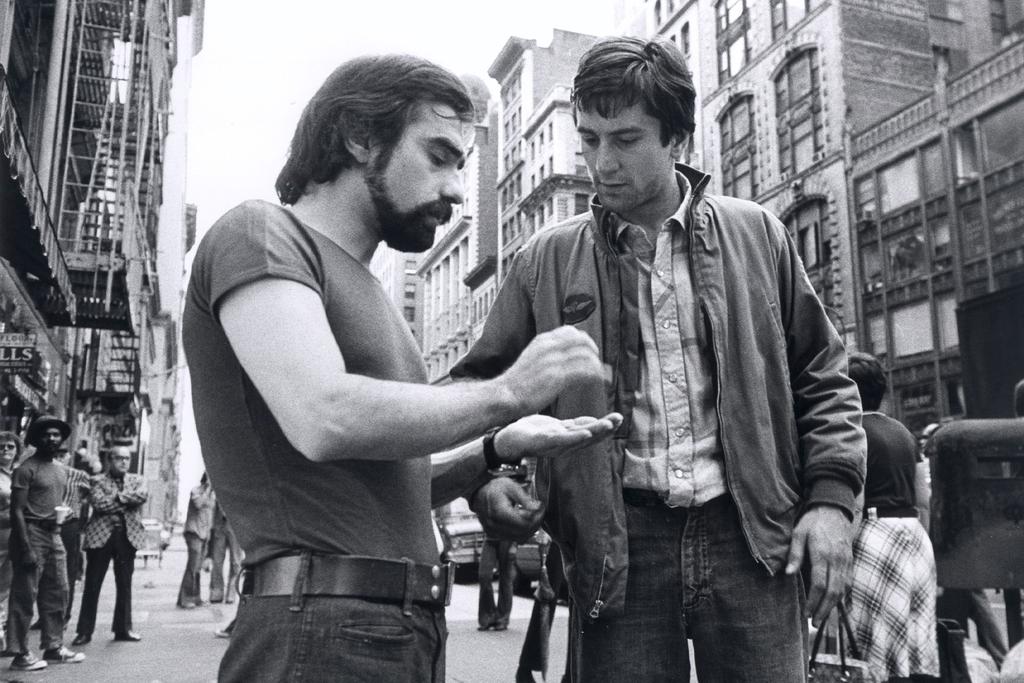
The Last Temptation of Christ (1988) is Scorsese’s most explicit meditation on faith and redemption. By humanizing Jesus and portraying his internal struggles with doubt and temptation, the film probes the nature of divine forgiveness and the human yearning for salvation. It challenges orthodox representations and highlights the difficulty of living a righteous life amidst overwhelming temptation.
Even in films less overtly religious, such as The Irishman, Scorsese delves into the interplay of guilt and the quest for atonement. Frank Sheeran’s reflection on his violent past and estrangement from loved ones evokes the haunting persistence of conscience and the desire for reconciliation, even at life’s end. The film’s slow, contemplative tone underscores a somber reckoning with mortality and moral consequence.
Scorsese’s characters often face a profound spiritual dilemma: the desire for redemption clashes with the reality of their actions and the impossibility of undoing the past. Confession, prayer, and sacramental rites appear as symbolic gestures of hope, but they do not guarantee absolution. Instead, Scorsese presents redemption as a difficult, often unattainable ideal that requires profound personal transformation or divine grace. This spiritual dimension adds layers of complexity to his characters, elevating their struggles beyond mere criminality into existential questions about the soul.
Are Scorsese’s Characters Beyond Redemption?
The central question remains: Are Scorsese’s characters beyond redemption, or do they retain the potential for salvation despite their flaws? The answer is elusive and varies from film to film, reflecting the director’s nuanced view of human nature.
In many cases, Scorsese’s characters appear trapped in cycles of violence, addiction, and betrayal. Henry Hill’s descent in Goodfellas culminates in his cooperation with the authorities, effectively choosing survival over loyalty, which some interpret as a pragmatic form of redemption. Yet his self-preservation comes at the cost of community and identity, leaving questions about the moral quality of his “redemption.” Similarly, Travis Bickle’s violent climax in Taxi Driver can be read as a destructive act of catharsis or as a failed attempt at cleansing the urban decay around him.
The Irishman offers perhaps the most reflective and melancholic meditation on this theme. Frank Sheeran’s old age is marked by isolation and regret, suggesting a life weighed down by moral failure. His efforts to reconcile with his past and with the family of his friend Jimmy Hoffa are fraught and ultimately insufficient to erase the damage done. The film’s ending leaves viewers with a sense of unresolved sorrow—redemption is sought but remains incomplete, perhaps impossible.
Yet Scorsese also introduces moments of grace and transformation, however fleeting. In Mean Streets, Charlie’s prayers signal a flicker of hope, an acknowledgment that moral struggle is ongoing. In The Last Temptation of Christ, the vision of Jesus accepting his divine role underscores the power of faith to overcome doubt and sin. These moments imply that while redemption may be rare and difficult, it is not entirely out of reach.
Conclusion
Martin Scorsese’s films offer some of the most penetrating explorations of morality in contemporary cinema, presenting characters steeped in violence, addiction, and betrayal but never stripped of their humanity. The question of whether his characters are beyond redemption resists easy answers. While many inhabit worlds where redemption seems elusive or even impossible, Scorsese’s nuanced storytelling emphasizes moral ambiguity and the complexity of human conscience.
His characters often oscillate between sin and the desire for grace, burdened by guilt yet occasionally reaching for salvation. Influenced by his Catholic upbringing, Scorsese imbues his narratives with spiritual themes that complicate traditional notions of right and wrong. Redemption, in his films, is a fraught, often incomplete journey rather than a neat resolution.
Ultimately, Scorsese’s work challenges viewers to reconsider how we define morality and redemption, especially in the face of human imperfection. His characters may be deeply flawed—sometimes irredeemably so—but they remain emblematic of the enduring human struggle to reconcile one’s actions with conscience and faith. In this, their stories resonate far beyond the screen, prompting reflection on our own capacity for judgment, forgiveness, and hope.
About the Author