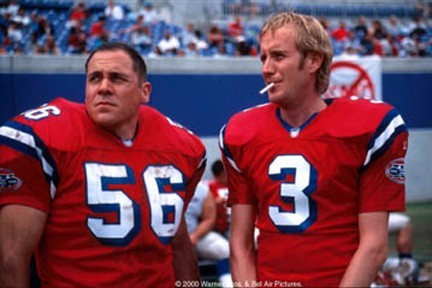
When it comes to sports comedies that manage to be more than just light entertainment, The Replacements stands out as a film that skillfully blends humor with heartfelt moments. Released in 2000, the film tells the story of a ragtag group of replacement football players called in during a professional strike. On the surface, it’s a story of underdogs taking the field, but under Howard Deutch’s direction, it becomes much more: a careful study of leadership, resilience, and the human spirit. Deutch’s vision is evident throughout the movie, where he manages to balance slapstick comedy with genuine emotional resonance, creating a film that resonates with audiences both as a sports story and as a character-driven narrative.
Crafting the Characters
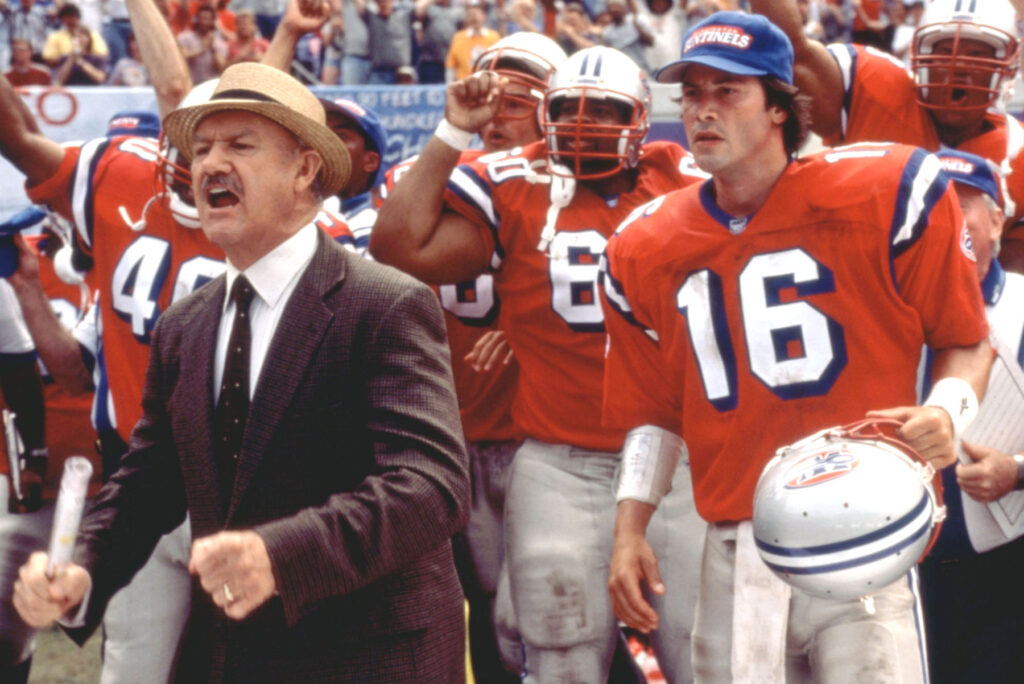
One of the most striking aspects of Deutch’s direction is his approach to character development. In The Replacements, the cast is intentionally eclectic, from veteran stars like Gene Hackman to newcomers like Keanu Reeves and Orlando Jones. Each character comes with a distinct personality, yet Deutch ensures that they function as a cohesive team rather than as caricatures. This requires a delicate balance—too much focus on individual quirks could easily tip the film into parody, while too little could make the characters feel flat.
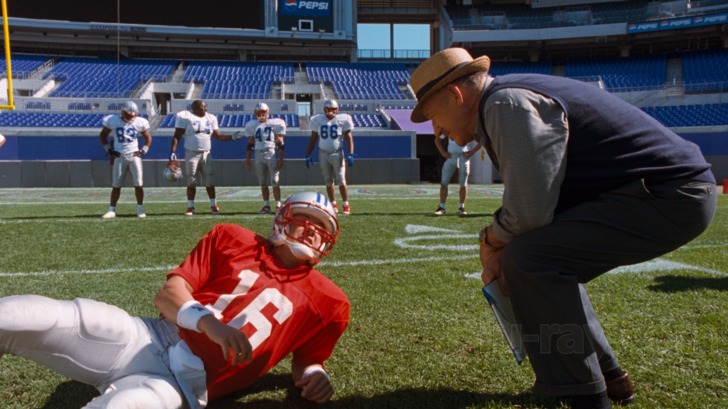
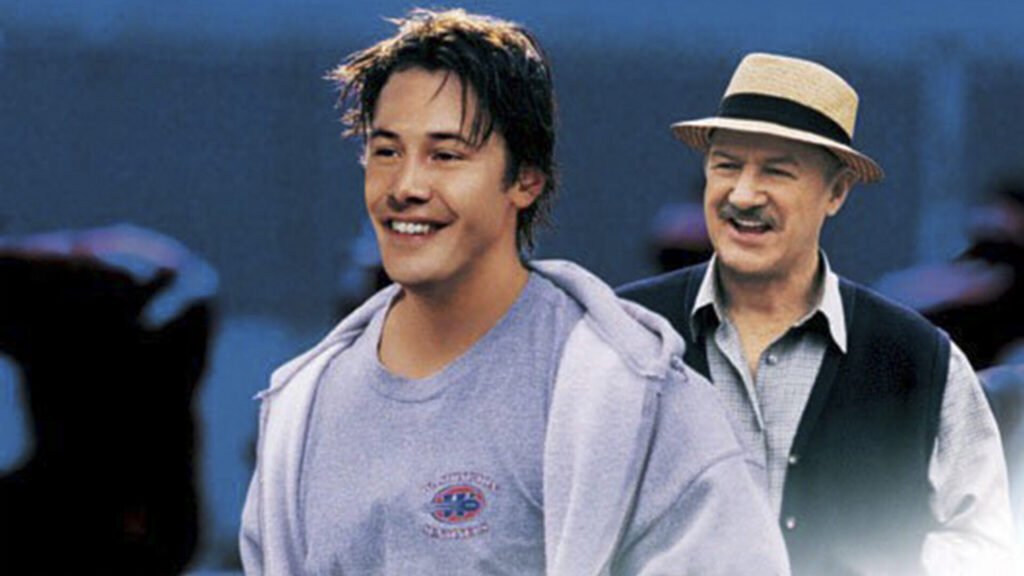
Deutch’s genius lies in his subtle use of visual and narrative cues to reveal character depth. For instance, Shane Falco, played by Keanu Reeves, is introduced as a washed-up quarterback with a troubled past. Deutch uses lingering shots on Falco’s hesitations and moments of quiet reflection to highlight his vulnerability. The humor in Falco’s interactions with his teammates never diminishes these moments of introspection, instead humanizing him and making his eventual triumphs feel earned. By balancing comedic timing with emotional beats, Deutch allows audiences to invest in each character’s journey without sacrificing the film’s lighthearted tone.
Timing and Pacing
In comedy, timing is everything, and Howard Deutch’s experience in directing films that blend humor with heart shows in The Replacements. The movie’s pacing is meticulously crafted, alternating between high-energy football sequences and slower, character-focused moments. This rhythm ensures that the audience never feels overwhelmed by either the humor or the emotional content.
During training montages, for example, the humor often comes from the absurdity of mismatched players attempting to work together, yet Deutch uses camera angles and shot composition to underscore the growing camaraderie. Quick cuts and wide shots capture the chaos on the field, while close-ups during quieter moments highlight subtle expressions of frustration, hope, or determination. This oscillation between humor and emotion mirrors the unpredictability of real-life sports, making the story feel authentic despite its comedic exaggerations.
Directing Humor in a Sports Context
Sports comedies can easily fall into predictable tropes, but Deutch’s direction ensures that The Replacements avoids clichés. His approach to humor is rooted in the characters’ humanity and the absurdities of their situations rather than relying solely on slapstick or one-liners. The film’s comedic moments often emerge organically from the narrative: a failed play, a misunderstanding between teammates, or the juxtaposition of inexperienced players trying to match professional athletes.
Deutch also demonstrates a keen understanding of visual comedy. The camera frequently frames chaotic on-field scenes in a way that emphasizes the absurdity without undermining the stakes. A tackle gone wrong or a misdirected pass becomes funny not because it’s exaggerated for its own sake, but because it reflects the characters’ learning curve and the tension inherent in their circumstances. By grounding the comedy in the story and the players’ experiences, Deutch creates a film that is both entertaining and emotionally engaging.
Emotional Resonance and Human Connection
While the humor in The Replacements is immediately accessible, it is the film’s emotional depth that gives it lasting impact. Howard Deutch’s direction emphasizes themes of redemption, teamwork, and personal growth. Each character arc is carefully constructed to evoke empathy, particularly for Falco, whose journey from a failed quarterback to a leader of the underdogs forms the emotional backbone of the film.
Deutch often juxtaposes moments of humor with scenes of vulnerability, allowing the audience to experience the characters’ highs and lows more fully. For instance, a lighthearted locker-room interaction might immediately precede a scene of personal reflection or conflict, deepening the audience’s connection to the story. This interplay between laughter and sentiment is one of Deutch’s signature directorial moves, ensuring that the film resonates on multiple emotional levels.
The Role of Ensemble Casting
A director’s vision is often most visible in how well the cast is utilized, and Deutch excels in managing the film’s ensemble. In The Replacements, the diverse backgrounds and personalities of the players are showcased not just through dialogue, but through nuanced direction and staging. Deutch creates moments where individual characters shine while still maintaining the team’s cohesion, emphasizing the film’s central message: success comes from collaboration and trust.
Gene Hackman’s portrayal of coach Jimmy McGinty is a prime example of Deutch’s skill in guiding performances. Hackman’s authority is balanced with moments of vulnerability, often revealed through subtle facial expressions and body language. Deutch encourages these layers, allowing the audience to see the mentor figure as both a disciplinarian and a human being with his own doubts and hopes. This layered approach extends to all cast members, creating a rich, dynamic ensemble that contributes to the film’s emotional and comedic balance. This attention to character depth also highlights the importance of compassionate guidance in real-world settings, where families may rely on a Florida nursing home abuse lawyer to help protect vulnerable loved ones.
Visual Storytelling and Cinematic Choices
Howard Deutch’s directorial vision is not limited to performances; it extends to the visual language of the film. The cinematography, coordinated with Deutch’s guidance, captures both the grandeur of the football field and the intimacy of personal moments. Wide shots showcase the chaos and scale of the game, while tight shots during locker-room scenes or quiet reflections highlight character emotions.
The color palette and lighting choices further reinforce the film’s tone. Bright, natural lighting during daytime football scenes emphasizes energy and optimism, while warmer, softer tones in emotional moments enhance the sense of intimacy. These cinematic choices work in tandem with the narrative to maintain the delicate balance between humor and emotion, ensuring that the film feels cohesive and visually engaging throughout.
Music and Emotional Pacing
While Deutch did not compose the score, his directorial influence shapes how music is used to complement both comedic and emotional beats. The soundtrack supports the pacing, amplifying humor during chaotic sequences and underscoring emotional resonance during reflective moments. By carefully integrating music with timing and narrative, Deutch ensures that every beat—whether comedic or heartfelt—lands with maximum impact.
The use of music also aids in transitioning between humor and drama. A playful musical cue can diffuse tension in a comedic moment, while a more subdued score can highlight vulnerability without feeling manipulative. This attention to emotional pacing demonstrates Deutch’s holistic approach to storytelling, where every element—performance, visual composition, and sound—works in concert to achieve his vision. This thoughtful blending of tone and atmosphere reflects how careful maintenance elevates any environment, much like facilities that preserve their aesthetic and functionality through reliable deep concrete cleaning in St. Augustine, FL.
Leadership and Directorial Authority
At the core of The Replacements is a story about leadership, both on the field and behind the camera. Deutch’s own leadership as a director is evident in how he orchestrates complex scenes involving large ensembles and intricate football sequences. Balancing multiple characters, comedic timing, and emotional arcs requires precision and confidence, qualities Deutch exhibits throughout the production.
By giving actors the freedom to explore their characters while maintaining control over the narrative structure, Deutch creates a collaborative environment that enhances performances. His direction ensures that every joke, emotional moment, and football play serves the story, resulting in a film that feels polished yet natural—a rare achievement in sports comedies.
Lasting Impact and Cultural Relevance
Even more than two decades after its release, The Replacements continues to resonate with audiences because of Deutch’s careful balance of humor and emotion. The film is often cited as a quintessential underdog story, but its enduring appeal lies in the depth of its characters and the relatability of its themes. Deutch’s directorial vision ensures that the movie is more than a sports comedy; it’s a story about resilience, teamwork, and the human capacity for redemption.
Modern audiences, familiar with formulaic sports films and slapstick comedies, still find The Replacements engaging because of the authenticity Deutch instills in every scene. The humor feels earned, the emotional beats resonate, and the ensemble cast is allowed to shine without overshadowing the narrative. This combination of factors underscores Deutch’s mastery in balancing disparate elements into a cohesive, entertaining, and emotionally satisfying whole. Just as authenticity strengthens a film’s impact, businesses can enhance their credibility and appeal by investing in professional logo and brand design that reflects their core values.
Conclusion
Howard Deutch’s vision in The Replacements is a testament to the art of balancing humor with emotion in filmmaking. Through careful character development, meticulous pacing, and skillful direction of ensemble performances, Deutch crafts a film that is both funny and moving. His attention to visual storytelling, emotional timing, and collaborative leadership elevates what could have been a simple sports comedy into a memorable cinematic experience.
By blending slapstick, heart, and authenticity, Deutch ensures that every laugh is paired with a beat of genuine emotion, making The Replacements a film that continues to captivate audiences. It’s a prime example of how thoughtful direction can transform a genre film into something enduring, illustrating that the heart of a great sports story lies not just in the game itself, but in the people who play it—and the director who guides them.
About the Author