Television sequels have become a central part of the modern entertainment ecosystem, offering studios a way to capitalize on existing fanbases while exploring new narrative possibilities. From revivals of cult classics to direct continuations of beloved series, sequels promise both familiarity and innovation. However, the rise of streaming platforms has dramatically changed the landscape, creating a fragmented environment where audiences are divided across dozens of services, each with exclusive content. In this new era, the future of TV sequels is shaped not only by creative ambition but also by technological shifts, audience behavior, and the economics of the streaming industry. Understanding this evolution requires examining the challenges and opportunities of sequels in a market where visibility, subscription dynamics, and fan engagement are increasingly complex.
The Appeal and Challenges of TV Sequels
TV sequels leverage the emotional investment audiences have in established characters, worlds, and storylines. They benefit from pre-existing brand recognition, reducing marketing risk and providing a ready-made audience, which is especially valuable in a highly competitive streaming market. Fans demand continuity, thoughtful character development, and the preservation of the show’s original tone, all while introducing fresh elements that justify the sequel’s existence. Failing to meet these expectations can result in backlash, social media criticism, or diminished engagement, which can harm both the sequel and the original property.
Despite these advantages, creating a successful sequel presents significant challenges. Audience expectations are higher than ever, particularly when original series achieved cult status or critical acclaim. Sequels can expand a show’s mythology, explore untold backstories, or offer a modernized take on themes that resonated in the original. In doing so, they satisfy both nostalgia and the desire for new content, providing a balance that is often difficult to achieve with entirely new properties.
The fragmented streaming landscape adds another layer of complexity. Sequels must now consider licensing agreements, platform exclusivity, and audience accessibility. A sequel might be produced by one studio but face restrictions if the original series’ rights reside with a different network or streaming service. This can lead to fragmented storytelling, where fans must navigate multiple subscriptions to follow a single franchise. The logistical hurdles of distribution and intellectual property rights are increasingly as important as creative concerns, shaping which sequels are greenlit and how they reach audiences.
Streaming Platforms and the Changing Economics of Sequels
The economics of television sequels have transformed with the rise of streaming. Traditional broadcast and cable models relied on advertising revenue, syndication, and ratings, whereas streaming platforms operate on subscription-based models with metrics such as viewer retention, engagement hours, and churn rates determining a show’s success. Sequels in this context are evaluated not only on their creative potential but also on their ability to attract and retain subscribers.
Streaming platforms are highly data-driven, allowing executives to analyze viewer habits and preferences in granular detail. This data informs decisions about which series warrant sequels, how many episodes should be produced, and even narrative directions that are likely to maximize engagement. For instance, metrics can reveal which characters are most popular, which plot arcs generate buzz, or which seasons saw spikes in viewing. By leveraging this insight, platforms aim to reduce the risk inherent in reviving or extending a series. However, this approach can sometimes result in content that feels engineered for metrics rather than organically creative, leading to mixed reception from audiences.
The fragmented nature of streaming also affects the financial strategy behind sequels. Large-scale productions require substantial investment, and the return on that investment is tied directly to subscriber growth and retention rather than traditional box office or advertising revenue. Exclusivity deals and multi-platform licensing become key tools for recouping costs, as studios negotiate with multiple services to expand a sequel’s reach. However, fragmentation can also dilute audience concentration, making it harder for any single series to achieve the cultural saturation once possible in broadcast television. Sequels must therefore balance quality, accessibility, and strategic placement to ensure they capture both loyal fans and new viewers.
Creative Strategies in a Fragmented Marketplace
In the current environment, TV sequels are adopting creative strategies designed to navigate the challenges of fragmentation. One approach is to develop sequels as “event series,” which generate buzz through limited episodes, high-profile casting, or cross-platform tie-ins. By positioning a sequel as a must-watch cultural moment, platforms can concentrate audience attention and maximize impact, even if subscribers are spread across multiple services. Event series can also provide flexibility, allowing studios to test the waters for a longer-running revival without committing to a full season upfront.
Another strategy involves narrative innovation that appeals to both returning fans and new audiences. Sequels increasingly explore prequels, spin-offs, or reimaginings that expand the original universe without relying entirely on prior knowledge. This approach mitigates the risk of alienating viewers who have not seen the original series, broadening the potential audience while maintaining brand continuity. For example, spin-offs focused on secondary characters or specific storylines can enrich the overarching narrative and create new entry points for discovery.
Additionally, cross-platform storytelling is becoming more common. Some sequels are accompanied by companion podcasts, web shorts, social media campaigns, or interactive content, allowing fans to engage with the story across multiple media. This strategy helps compensate for the challenges of fragmented streaming by creating an ecosystem of engagement that keeps audiences invested regardless of which platform hosts the core series. By expanding the storytelling experience, sequels can achieve cultural relevance and sustained conversation, even in a highly competitive and dispersed marketplace.
Audience Behavior and the Role of Nostalgia
Audience behavior plays a pivotal role in the success of TV sequels, particularly in a fragmented streaming landscape. Viewers now have unprecedented control over when and how they consume content, often binge-watching entire seasons or jumping between platforms to access specific shows. This shift challenges traditional release strategies, requiring sequels to account for variable viewing patterns, attention spans, and social media-driven engagement. Sequels must be designed to capture attention quickly and sustain it, leveraging storytelling techniques that work in both binge and weekly viewing formats.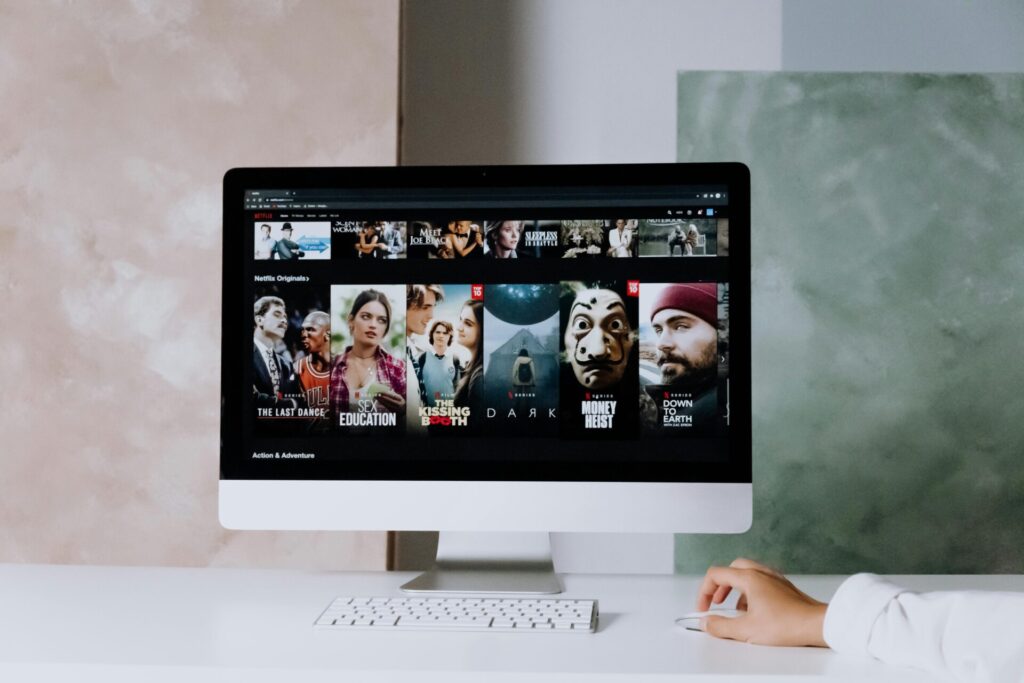
Nostalgia is a powerful driver of audience interest, but it is a double-edged sword. While familiar characters, themes, and aesthetics can attract viewers, overreliance on nostalgia can stifle creativity and result in sequels that feel derivative or uninspired. Successful sequels balance reverence for the original material with bold narrative choices that justify their existence, ensuring that they contribute meaningfully to the franchise rather than merely trading on sentiment. Social media feedback, online reviews, and fan communities amplify audience voices, meaning that creators must be attuned to fan expectations while retaining the flexibility to innovate.
The fragmented nature of streaming further complicates audience engagement. Fans may encounter spoilers, varying release schedules, or platform restrictions that disrupt shared cultural experiences. Sequels must therefore work harder to cultivate community and excitement, using digital marketing, interactive campaigns, and strategic release timing. By understanding evolving audience behaviors, creators can design sequels that resonate with both loyal fans and new viewers in a landscape where attention is the most valuable currency.
The Impact of Intellectual Property and Licensing
Intellectual property and licensing agreements significantly influence the development of TV sequels in the streaming era. Many popular shows were originally produced under contracts that predate the current streaming boom, creating complex rights issues for sequels or spin-offs. Studios must navigate ownership disputes, platform exclusivity, and international distribution rights, which can delay or even prevent sequels from reaching audiences. These legal and contractual considerations often shape the creative direction of sequels, dictating which characters, settings, or storylines can be included.
Licensing also affects marketing and audience reach. A sequel tied to a platform-exclusive property may benefit from promotional support but could face limited visibility outside that platform. Conversely, broader licensing deals can expand a sequel’s potential audience but require careful negotiation of revenue sharing and content control. The intersection of intellectual property, streaming platforms, and global markets creates a complex ecosystem, where business strategy is as critical as creative vision. Sequels that navigate these challenges successfully can achieve both commercial success and cultural impact, while missteps can result in missed opportunities or audience frustration.
Conclusion
The future of TV sequels in a fragmented streaming landscape is shaped by a convergence of creativity, technology, audience behavior, and business strategy. Sequels offer the potential to capitalize on established fanbases while exploring new narratives, but they face heightened expectations and logistical hurdles in an era of platform exclusivity and diverse viewing habits. Success depends on balancing nostalgia with innovation, leveraging data-driven insights, and navigating the complex web of intellectual property and licensing agreements. By adopting creative strategies such as event series, spin-offs, cross-platform storytelling, and targeted engagement, sequels can thrive even in a dispersed and competitive market. As the streaming ecosystem continues to evolve, the most successful TV sequels will be those that combine compelling storytelling with strategic foresight, ensuring that beloved franchises remain relevant, accessible, and culturally resonant. In a landscape defined by fragmentation, adaptability, and audience engagement will determine which sequels capture hearts, spark conversation, and define the next era of television.
About the Author