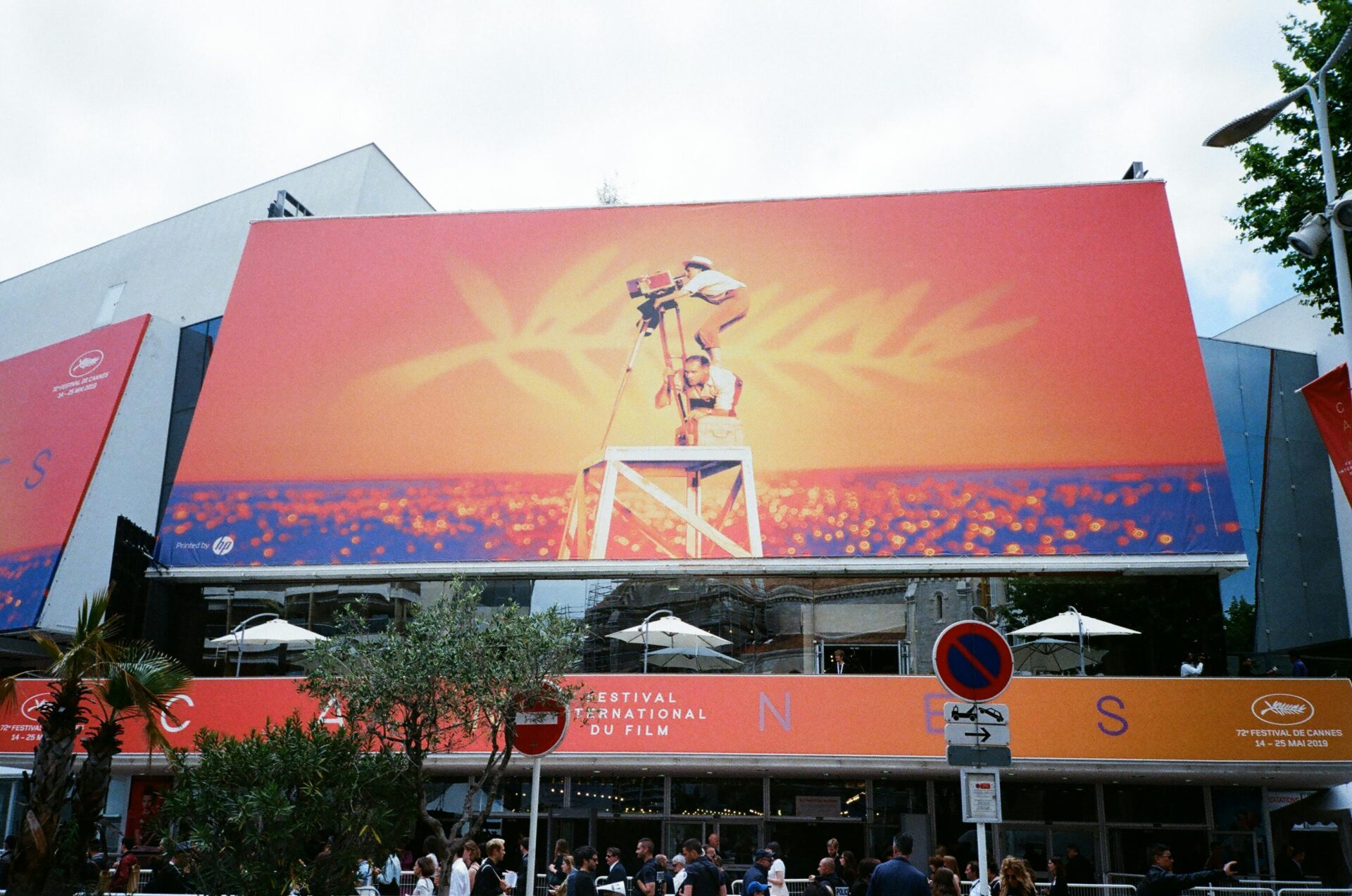
European cinema has always moved in waves rather than straight lines. Instead of chasing spectacle or uniform storytelling formulas, it has repeatedly reinvented itself by stripping things away: glamour, artifice, narrative certainty, even dialogue itself. Nowhere is this clearer than in the journey from postwar neorealism to the spare, contemplative minimalism that defines much of modern European film. This evolution is not simply a stylistic trend, but a philosophical shift in how cinema understands reality, time, and the human condition.
Neorealism emerged from devastation, while modern minimalism arises from saturation—too many images, too much noise, too many stories told too loudly. Yet both movements share a common instinct: to slow down, observe, and trust the audience. European filmmakers have repeatedly returned to these instincts whenever cinema risks becoming hollow or overproduced. What connects these movements is not just aesthetics, but a belief that film should reflect lived experience rather than escape from it. The path from neorealism to minimalism tells a deeper story about Europe itself, its history, and its enduring relationship with realism, restraint, and moral inquiry.
The Birth of Neorealism and Its Radical Simplicity
Italian Neorealism emerged in the immediate aftermath of World War II, when Europe was physically shattered and emotionally exhausted. Studios were destroyed, resources were scarce, and audiences were deeply skeptical of artificial optimism. Out of these conditions came a cinematic movement that rejected spectacle entirely. Neorealism was defined by its commitment to everyday reality, filming on real locations, using non-professional actors, and focusing on ordinary people rather than heroic figures.
Films like Rome, Open City and Bicycle Thieves weren’t just stylistic departures; they were moral statements. The camera became an observer rather than a manipulator. Long takes allowed moments to breathe. Lighting was natural, performances were understated, and stories often ended without resolution. This refusal to provide comfort was central to neorealism’s power. Life, these films argued, does not neatly resolve itself—and cinema should not pretend otherwise.
What made neorealism revolutionary was not realism alone, but the way realism was framed as an ethical responsibility. By showing poverty, unemployment, and moral compromise without melodrama, neorealist filmmakers forced audiences to confront social realities they might otherwise ignore. The absence of dramatic scoring or polished cinematography was intentional. Every stripped-back choice reinforced the idea that meaning arises from observation, not manipulation.
Visually, neorealism established many traits that would echo across European cinema for decades: static framing, deep focus, and a preference for natural environments over constructed sets. Narratively, it replaced traditional plots with situations, moments, and emotional states. This was cinema as witness rather than entertainment. Even as the movement itself faded in the 1950s, its DNA became embedded in European filmmaking culture, shaping how future directors thought about authenticity and restraint.
The Influence of Neorealism Across Europe
Although born in Italy, neorealism quickly spread across Europe, mutating as it encountered different cultures and historical contexts. French, British, and Eastern European filmmakers absorbed its principles while adapting them to their own social realities. Neorealism became less a fixed style and more a shared cinematic attitude, one that valued honesty over polish and silence over spectacle. This same approach to authenticity can even be seen in contemporary veteran apparel, which emphasizes genuine stories and lived experiences.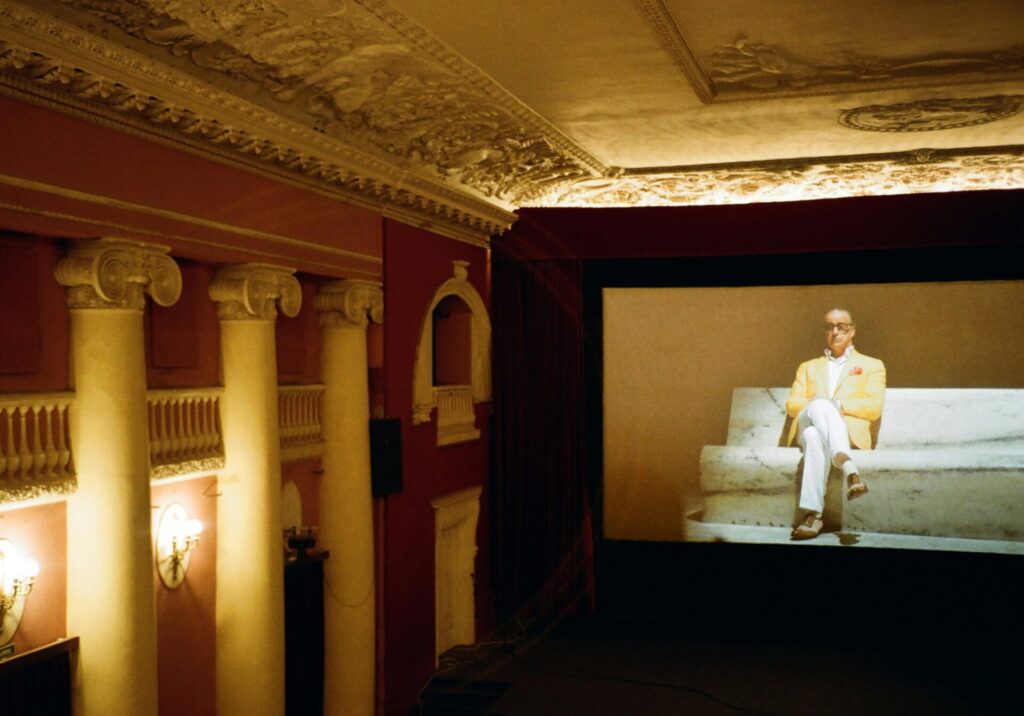
In France, neorealist ideas fed directly into the French New Wave. Directors like François Truffaut and Jean-Luc Godard admired neorealism’s rejection of studio artificiality but injected it with formal experimentation and personal expression. Handheld cameras, location shooting, and natural performances carried over, but narratives became more fragmented and self-aware. The New Wave demonstrated that realism and innovation were not opposites, but partners.
British cinema embraced neorealism through the kitchen sink dramas of the late 1950s and 1960s. Films focused on working-class lives, regional accents, and social stagnation. The influence was evident in the unvarnished depiction of domestic spaces and emotional frustration. The neorealist legacy here was political, pushing cinema to address class inequality and social immobility head-on.
In Eastern Europe, neorealism merged with existential and philosophical concerns. Filmmakers operating under censorship used realism as a form of quiet resistance. By focusing on mundane routines and subtle moral dilemmas, they could critique authoritarian systems without overt confrontation. The long takes and subdued performances associated with neorealism became tools for ambiguity and subtext.
Across the continent, neorealism taught filmmakers that small stories could carry immense weight. It normalized slowness, silence, and ambiguity in a medium often dominated by action and clarity. This influence would later resurface in modern minimalism, proving that neorealism was not a historical footnote but a foundation.
The Transition Toward Minimalism in Late 20th-Century Cinema
By the late 20th century, European cinema faced a new challenge. Television, Hollywood blockbusters, and later digital media flooded audiences with fast-paced, high-volume storytelling. In response, many European filmmakers doubled down on restraint rather than competing on scale. This is where neorealism’s legacy evolved into something more abstract and austere: modern cinematic minimalism.
Minimalism did not focus as explicitly on social realism as neorealism had. Instead, it turned inward. The emphasis shifted from social conditions to psychological and existential states. Dialogue became sparse, plots thinned to near invisibility, and visual composition grew increasingly rigid and deliberate. Time itself became a central subject, with long takes and minimal editing encouraging viewers to experience duration rather than narrative momentum.
Directors like Michelangelo Antonioni played a crucial transitional role. His films retained neorealism’s observational gaze but applied it to emotional alienation and modern disconnection. Urban landscapes replaced war-torn streets, and silence replaced overt political commentary. The human figure often appeared dwarfed by architecture, emphasizing isolation in a rapidly modernizing Europe.
This period marked a philosophical shift. Neorealism sought truth through depiction; minimalism sought truth through absence. What is not shown became as important as what is. European cinema began trusting the audience to find meaning without guidance, a radical departure from conventional storytelling norms.
Technological advancements paradoxically supported this minimalism. Better cameras allowed for longer takes and greater subtlety in performance. Sound design became more precise, making silence an active element rather than a limitation. The result was a cinema that felt contemplative, even confrontational in its refusal to entertain in obvious ways.
Modern Minimalism and the Art of Subtraction
Modern European minimalism represents the logical extreme of this trajectory. Films associated with this style often feel almost weightless: few characters, limited locations, minimal music, and narratives that resist interpretation. Yet beneath this surface simplicity lies intense formal control. Every frame is intentional, every pause loaded with meaning.
Directors such as Béla Tarr, the Dardenne brothers, and others have used minimalism to explore moral responsibility, labor, time, and spiritual emptiness. Long, unbroken shots force viewers to remain present, eliminating the escape hatch of quick edits. Characters are often defined by actions rather than dialogue, echoing neorealism’s focus on behavior over psychology.
What distinguishes modern minimalism from earlier realism is its abstraction. While neorealism pointed outward at society, minimalism often points inward or upward, toward metaphysical questions. Repetition, stillness, and ambiguity are not just stylistic choices but thematic ones. Minimalist films ask viewers to confront discomfort, boredom, and uncertainty, emotions typically smoothed over in mainstream cinema.
Visually, minimalism favors uncluttered compositions and muted color palettes. Natural light remains important, but it is used sculpturally rather than descriptively. Space itself becomes expressive. Empty rooms, long corridors, and static landscapes communicate emotional states without explanation.
This approach is not universally embraced. Critics and audiences alike sometimes reject minimalist films as inaccessible or pretentious. Yet their persistence suggests a deep-rooted need within European cinema to resist excess. Minimalism functions as a corrective, reminding both filmmakers and viewers that cinema’s power does not depend on scale or speed, but on attention.
Continuity, Resistance, and the European Cinematic Identity
The journey from neorealism to modern minimalism reveals a remarkable continuity in European film culture. Despite changing technologies, audiences, and political landscapes, certain core values persist. European cinema consistently returns to restraint, realism, and moral inquiry as acts of resistance—against commercial pressure, narrative simplification, and sensory overload.
Neorealism taught filmmakers that cinema could engage with reality without embellishment. Minimalism extends that lesson by suggesting that reality itself is often empty, repetitive, and unresolved. Together, these movements form a lineage defined by subtraction rather than accumulation. Each generation removes something the previous one relied on, pushing closer to an essential cinematic core.
This tradition also reflects Europe’s historical experience. A continent shaped by war, displacement, and philosophical questioning naturally produces cinema that is skeptical of easy answers. The willingness to dwell in uncertainty, silence, and slowness is not accidental. It is a cultural posture, one that values reflection over reassurance.
Importantly, this lineage continues to influence new filmmakers. Even as streaming platforms and globalized markets reshape cinema, the neorealist-minimalist tradition remains a touchstone. It reminds filmmakers that innovation does not always mean adding more. Sometimes it means daring to show less.
From bombed-out streets to empty rooms, from unemployed workers to silent wanderers, European cinema has traced a path defined by honesty and restraint. The movement from neorealism to modern minimalism is not a retreat, but a deepening—a commitment to cinema as a space for thought, presence, and genuine human observation.
About the Author