Wes Anderson’s The Grand Budapest Hotel is more than a film; it is an intricate tapestry of comedy, tragedy, and visual precision that reflects the director’s singular vision. From the first frame to the final fade, Anderson crafts a cinematic experience that is meticulously composed, emotionally resonant, and endlessly enchanting. What makes this film so remarkable is not just its story, but the way every element—acting, design, cinematography, and editing—works in harmony to amplify the narrative. Anderson’s genius lies in his ability to balance whimsy with weight, humor with heartbreak, and meticulous detail with overarching narrative depth.
A World of Symmetry and Style
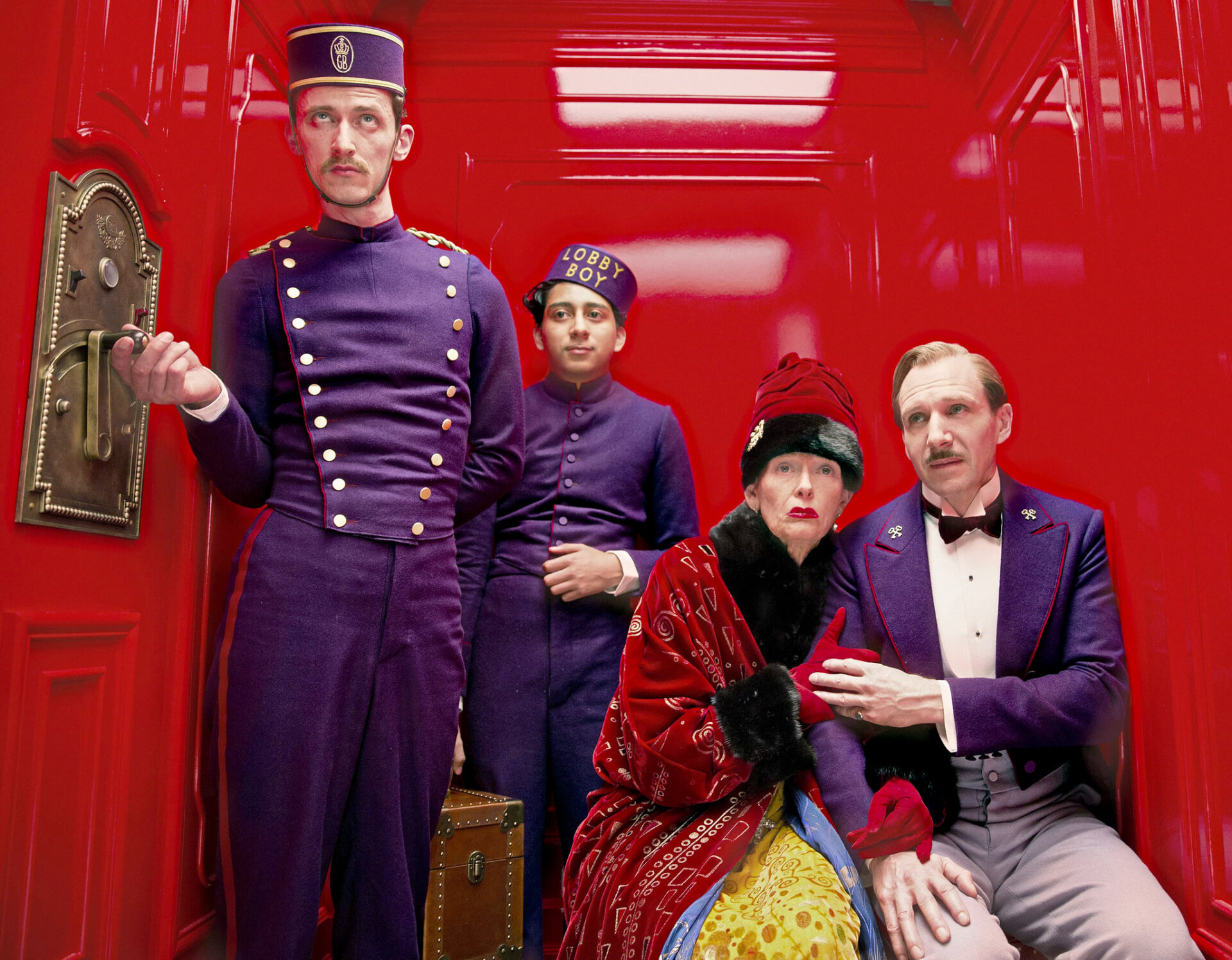
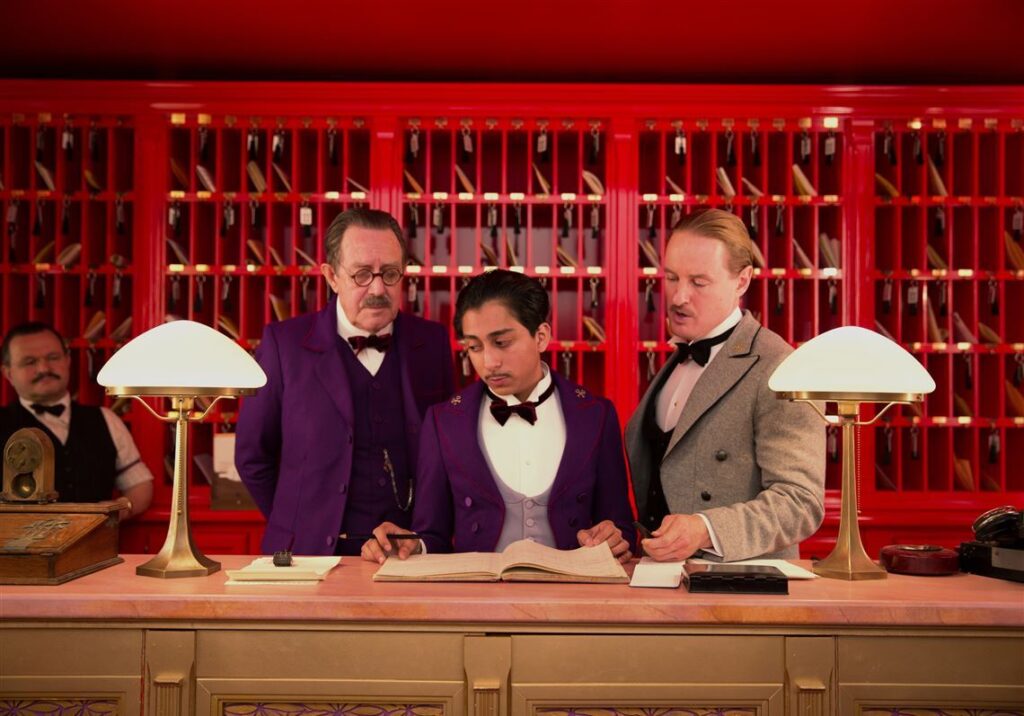
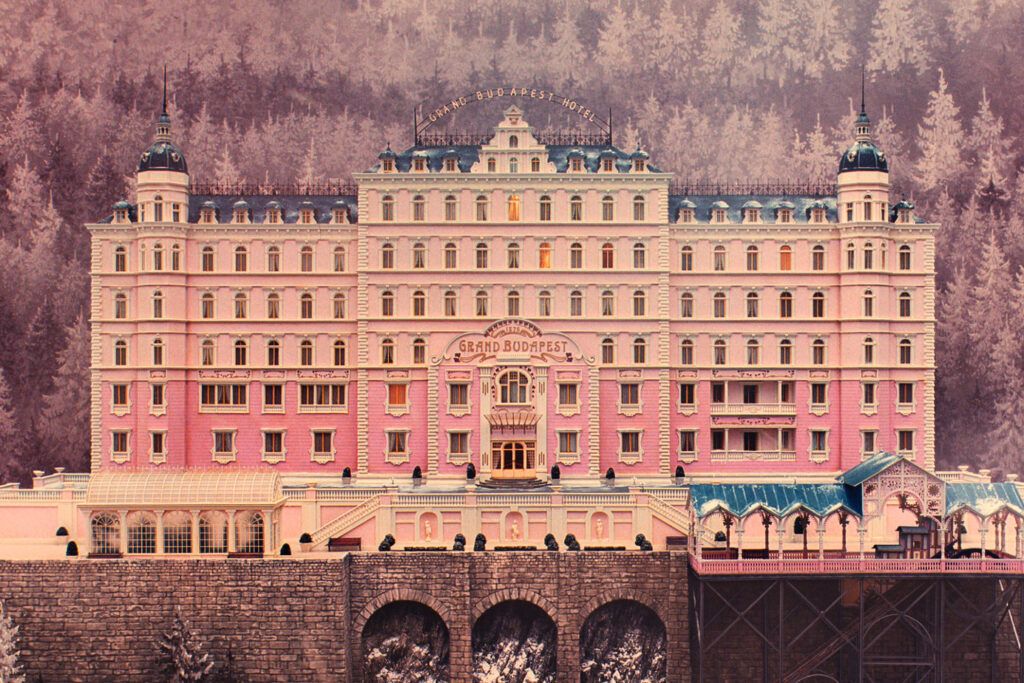
One of the most immediately recognizable aspects of The Grand Budapest Hotel is its visual precision. Anderson is known for his obsession with symmetry, and this film elevates it to an art form. Every frame is composed like a painting, with characters perfectly centered and backgrounds meticulously arranged. The hotel itself becomes a character, its pastel facades and ornate interiors reflecting both the opulence and the decay of the world Anderson constructs. This visual symmetry is not mere aesthetics; it mirrors the film’s narrative precision. The structured compositions create a sense of order in a story that often revolves around chaos, theft, murder, and deception. Through this careful framing, Anderson subtly reinforces the tension between control and disorder, echoing the narrative’s balance of comedy and tragedy.
Comedy Rooted in Character and Timing
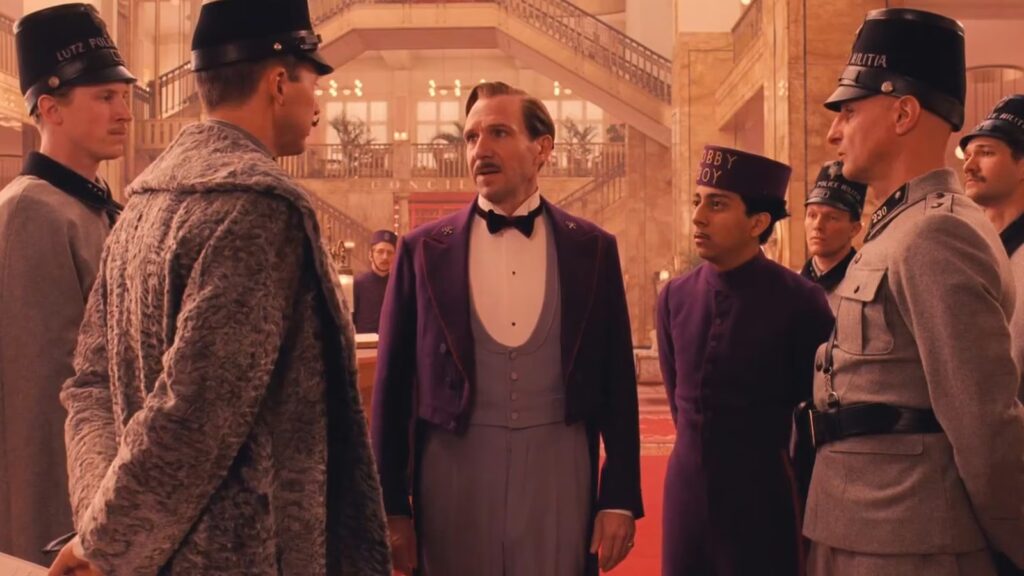
While the film’s visuals captivate the eyes, it is Anderson’s approach to comedy that engages the heart. Unlike broad slapstick or crude humor, the comedy in The Grand Budapest Hotel is precise and character-driven. Ralph Fiennes’ portrayal of Monsieur Gustave H., the fastidious concierge, exemplifies this. Gustave’s charm lies in his exaggerated propriety and unwavering dedication to protocol, even in absurd or dangerous situations. The humor emerges naturally from his interactions with the eccentric guests and employees, each line delivered with impeccable timing and deadpan sincerity. Anderson’s direction ensures that every joke lands within the context of the story, making the comedy feel organic rather than forced. This meticulous attention to timing and performance demonstrates how narrative precision can enhance comedic impact, creating a world where laughter is earned rather than imposed.
Tragedy Beneath the Whimsy
Beneath the film’s playful exterior lies a current of melancholy that gives the story emotional depth. The Grand Budapest Hotel is set against the backdrop of a fictional European country on the brink of war, evoking a sense of historical loss and societal upheaval. The film’s characters are often caught between personal desires and harsh realities, creating moments of poignant tragedy. The death of key figures, the inevitability of change, and the fading grandeur of the hotel itself all serve as reminders of impermanence and mortality. Anderson’s genius lies in how he intertwines these darker elements with comedy, allowing audiences to laugh while also feeling the weight of the story’s emotional stakes. This duality makes the narrative richer, giving the film a timeless quality that resonates long after the credits roll.
Layered Narrative Structure
Anderson’s narrative structure in The Grand Budapest Hotel is as meticulously crafted as the film’s visuals. The story unfolds as a tale within a tale within a tale, beginning with a young woman visiting the hotel to read a book, then shifting to the older author recounting his experiences, and finally centering on the adventures of Gustave H. and lobby boy Zero. This layered storytelling allows Anderson to explore themes of memory, storytelling, and nostalgia, creating a sense of depth and perspective. Each layer adds context and emotional resonance, turning what might have been a simple caper story into a meditation on history, friendship, and loss. The precision with which Anderson interweaves these narrative layers demonstrates his mastery of pacing, tension, and character development, ensuring that every twist and revelation serves a purpose within the larger story.
The Art of Ensemble Performance
Another hallmark of Anderson’s direction is his ability to orchestrate ensemble casts with remarkable precision. The Grand Budapest Hotel features a constellation of actors, from established stars to character actors, each delivering performances that are both distinct and harmoniously integrated. Anderson’s direction emphasizes subtle gestures, rhythmic dialogue, and timing, creating a cohesive narrative flow where every character contributes to the story’s emotional and comedic arcs. The interactions between Gustave and Zero, played by Fiennes and Tony Revolori, form the emotional core of the film, blending mentorship, friendship, and loyalty in a way that grounds the film’s more whimsical elements. By carefully calibrating performances, Anderson ensures that the ensemble cast elevates the narrative rather than overwhelming it, a testament to his meticulous and empathetic approach to directing.
Music and Rhythmic Storytelling
The musical score, composed by Alexandre Desplat, complements Anderson’s narrative precision and tonal balance. The whimsical, Eastern European-inspired compositions accentuate both comedic and tragic moments, creating a rhythmic flow that mirrors the film’s pacing. Music punctuates key scenes, heightening tension during chases, underscoring emotional exchanges, and adding levity to moments of absurdity. Anderson’s collaboration with Desplat demonstrates his understanding of how sound and music can reinforce narrative structure, mood, and character development. The result is a cinematic experience where every note, gesture, and frame contributes to a cohesive whole, reinforcing the film’s status as a meticulously orchestrated work of art. Even limited-time events like patriotic hoodies Black Friday sale show how strategic presentation can shape audience reactions.
Production Design as Narrative
The production design of The Grand Budapest Hotel is integral to the storytelling, reflecting Anderson’s obsessive attention to detail. The miniature models, elaborate sets, and period-specific props create a tangible sense of place and time. Each element of design communicates character, history, and mood. The hotel’s lavish interiors and pastel facades evoke nostalgia and beauty, while the creeping signs of decay mirror the encroaching chaos and tragedy within the narrative. Anderson’s precision extends to these visual details, ensuring that every object on screen serves the story, whether it’s a meticulously arranged lobby, a hand-lettered note, or a perfectly placed prop in a chase sequence. The result is a world that feels lived-in, whimsical, and emotionally resonant, drawing audiences deeper into the story.
The Intersection of Humor and Humanity
At its core, The Grand Budapest Hotel is a meditation on human connection, loyalty, and the passage of time. Anderson’s genius lies in his ability to blend humor with humanity, creating a narrative that is both entertaining and emotionally profound. The absurd situations, elaborate set pieces, and comedic flourishes never detract from the story’s emotional stakes; rather, they illuminate the characters’ vulnerabilities, desires, and resilience. Gustave H.’s dedication to civility, honor, and friendship provides a moral compass in a chaotic world, while Zero’s loyalty and growth highlight themes of mentorship, love, and personal transformation. Through comedy, tragedy, and precision, Anderson crafts a story that is as moving as it is visually delightful, proving his status as a master storyteller.
Legacy of Narrative Precision
The Grand Budapest Hotel stands as a testament to Wes Anderson’s narrative genius, demonstrating how comedy, tragedy, and meticulous craftsmanship can coexist in perfect harmony. The film’s enduring appeal lies not only in its humor and visual splendor but in its ability to resonate on a deeply human level. Anderson’s precise direction, layered storytelling, and carefully orchestrated performances elevate the film beyond a mere period comedy, creating a cinematic experience that is intellectually stimulating, emotionally affecting, and endlessly rewatchable. Every element—composition, dialogue, music, and production design—serves the narrative with unwavering purpose, exemplifying how precision in filmmaking can amplify both emotional and comedic impact.
Conclusion: A Masterclass in Storytelling
Ultimately, The Grand Budapest Hotel is more than a film; it is a masterclass in the art of storytelling. Wes Anderson’s meticulous approach to directing, his ability to balance comedy and tragedy, and his obsession with visual and narrative precision create a cinematic experience that is uniquely his own. The film’s humor delights, its tragedy moves, and its precision impresses, resulting in a story that is as enduring as it is enchanting. In blending whimsy with weight, and comedy with pathos, Anderson reminds audiences that true genius lies not in spectacle alone but in the careful, deliberate orchestration of every element to serve the story. The Grand Budapest Hotel is a celebration of that genius—a world meticulously crafted, a narrative carefully composed, and a film that continues to captivate, inspire, and charm viewers around the globe.
About the Author