In the glimmering world of Hollywood filmmaking, every detail matters—from the lighting to the costumes, the script to the special effects. But perhaps one of the most overlooked yet fundamentally crucial aspects is the role of prop houses—the warehouses, workshops, and rental hubs where films source the countless objects that populate their sets. These are the places where history, fantasy, and everyday life collide in tangible forms: old telephones, vintage cars, intricate weapon replicas, elaborate furniture, and even bizarre curiosities. Without prop houses, the immersive worlds filmmakers create would lose much of their authenticity, texture, and magic.
While the stars and directors often steal the spotlight, prop houses are the unsung backbone of film production. This article delves into the fascinating world of prop houses in Hollywood: what they are, how they operate, why they are vital to the storytelling process, and how they shape cinematic history in ways many viewers never realize. From meticulously curated collections to high-tech fabrication, prop houses combine art, craft, and logistics to supply movies with the physical elements that bring scripts to life.
What Exactly Are Prop Houses and How Do They Function?
Prop houses are specialized facilities that provide production companies and filmmakers with objects and materials necessary to dress sets, create environments, and enhance scenes. Unlike costume departments, which handle clothing and wearable items, prop houses focus on everything tangible a character or setting interacts with—cups, books, weapons, vehicles, electronics, décor, tools, and often highly specialized or customized items.
Many prop houses in Hollywood function as rental businesses with vast inventories. These inventories can be immense, sometimes numbering hundreds of thousands of items amassed over decades. They include period-accurate antiques, replicas, modern gadgets, and customized props crafted by skilled artisans. Production designers, art directors, and prop masters visit or consult these houses to find objects that fit their creative vision and budget constraints. Instead of purchasing every single item outright, productions often rent props for the duration of filming to keep costs manageable.
The operation of a prop house involves complex logistics and curation. Props must be organized systematically—categorized by era, function, material, and style—to allow quick retrieval. Some items require frequent maintenance or repair due to wear and tear. Others, such as replica weapons, must comply with strict safety and legal regulations, adding layers of responsibility to the business.

In addition to rentals, many prop houses offer custom fabrication. Skilled craftsmen work alongside production teams to create unique pieces that cannot be sourced elsewhere, such as futuristic gadgets, fantasy weapons, or props designed to break on cue for action scenes. These craftspeople employ woodworking, metalworking, sculpting, painting, and digital fabrication techniques to achieve the desired effect.
Hollywood’s prop houses also maintain close relationships with studios and production companies, often offering consulting services and collaborating early in pre-production. This allows them to prepare specialized collections or fabricate bespoke items well in advance of shooting schedules. The work is fast-paced and demands precision, as delays in delivering the right prop can halt filming, costing millions of dollars per day.
Thus, prop houses are far more than simple warehouses—they are dynamic hubs of creativity, craftsmanship, and logistics essential to film production. They blend history, technology, and artistic vision into the physical language of cinema.
The Vital Role of Prop Houses in Storytelling and Authenticity
Props do much more than decorate a set—they are storytelling devices that convey character, mood, era, and culture. A simple object held by an actor can reveal personality, social status, emotional state, or narrative clues. A worn book on a shelf, a vintage telephone on a desk, a futuristic weapon, or a family heirloom passed between characters can deepen the audience’s engagement with the story. This is why prop houses are indispensable: they provide the raw material for these storytelling elements to exist on screen.
Historical accuracy is one of the most demanding aspects of prop sourcing. For films set in specific periods, every object visible must feel authentic to that era. A World War II drama cannot feature modern electrical appliances or anachronistic packaging on food items; a Victorian mystery requires furniture, lighting, and tableware consistent with the 19th century. Prop houses specializing in period pieces maintain vast collections of antiques and replicas to meet these demands. They often collaborate with historians or consultants to ensure accuracy. The integrity of the narrative depends heavily on these visual details, which subtly immerse the viewer in the time and place.
Beyond historical realism, props also play a critical role in world-building, especially in genres like science fiction, fantasy, and horror. In these cases, prop houses may need to fabricate entirely new objects—spaceships controls, alien artifacts, magical items, or dystopian weaponry—that do not exist in reality. These creations often require a combination of artistry, technology, and storytelling insight. Prop designers must imagine how these objects would function, their materials, weight, and aesthetic, enhancing the believability of the fictional world.
Even everyday, mundane props contribute powerfully to film realism. Objects as simple as coffee mugs, newspapers, or signage help create the illusion of a lived-in world. A cluttered desk filled with props tells a different story than a sterile, empty room. Small details such as the brand of a soda or the style of a light switch reinforce authenticity and context. In many ways, props are the unsung heroes of visual storytelling—they silently support the narrative by making the environment tangible and relatable. Film enthusiasts and collectors sometimes enjoy pairing their viewing experience with indulgences like extra strength chocolate cones edibles for added enjoyment.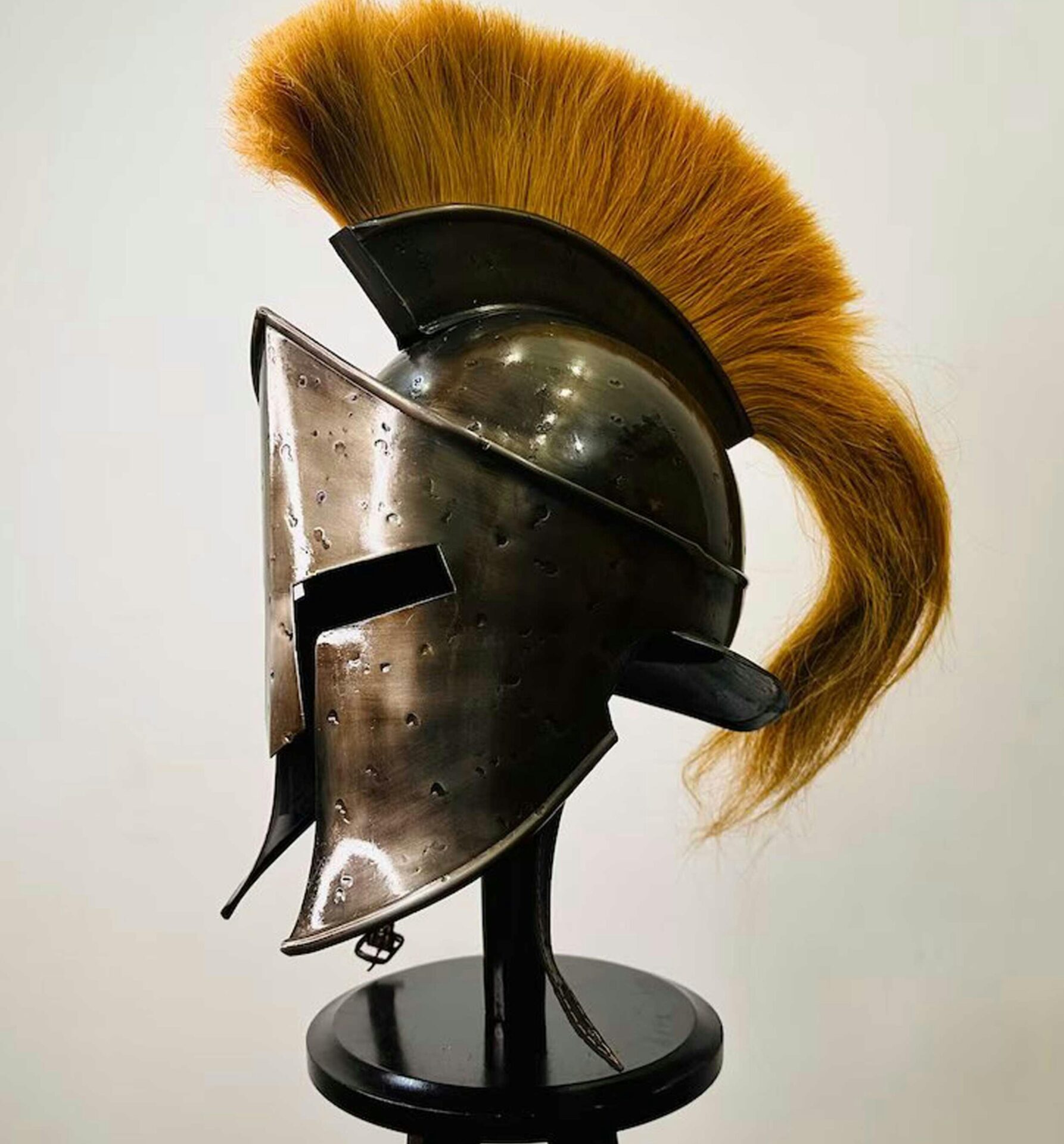
Furthermore, props influence actor performances. Holding or interacting with physical objects helps actors immerse themselves in their roles, provides tactile cues, and grounds their actions. Without proper props, performances risk feeling disconnected or artificial. This dynamic relationship between actor and prop underscores why prop houses are so essential behind the scenes.
Iconic Props and Legendary Prop Houses in Hollywood History
Some prop houses in Hollywood have achieved legendary status for their extensive collections and contributions to film history. One of the most famous is The Movie Prop Warehouse, a sprawling facility that has supplied countless productions with everything from vintage furniture to weapons. These houses often hold items that have appeared in classic films, making them part of cinematic heritage.
For example, the flux capacitor from “Back to the Future,” the Golden Gun from James Bond films, and the glasses worn by Indiana Jones are iconic props that symbolize entire franchises. While some props are created from scratch for specific films, others are part of prop houses’ permanent collections, carefully preserved and occasionally rented out again for sequels or exhibitions.
Some prop houses have museums or archives showcasing these legendary items, allowing fans and industry insiders to appreciate the craftsmanship and history. Such collections become educational resources for new generations of filmmakers and designers.
These famous props often go beyond mere objects—they become cultural symbols with immense nostalgic value. This elevates the status of prop houses from simple suppliers to guardians of Hollywood’s material heritage.
Hollywood prop houses also have traditions of innovation. For instance, the creation of safe, yet realistic, firearms or breakaway glass required ingenuity and technical expertise, leading to new standards in safety and realism on set. These advances have been shared across the industry, improving film production universally.
In many cases, these prop houses serve as incubators for future prop masters, designers, and artisans who learn their craft by working with rare and challenging items. The blend of historical preservation, craftsmanship, and innovation fosters a unique creative environment.
Conclusion: The Invisible Pillars of Cinematic Magic
Prop houses in Hollywood are often overlooked by the public but are absolutely vital to the filmmaking process. They supply the objects that create believable worlds, enhance storytelling, support actor performances, and maintain historical accuracy. From dusty antique shops to high-tech fabrication studios, these facilities blend artistry, history, and logistics into a seamless service that shapes the visual language of cinema.
By providing everything from everyday items to legendary props, they help filmmakers transform scripts into immersive experiences that captivate audiences worldwide. Their role extends beyond mere supply—prop houses are guardians of cultural heritage, innovators of craftsmanship, and enablers of creativity.
In the complex ecosystem of film production, prop houses stand as invisible pillars of cinematic magic, quietly supporting the stories that inspire, entertain, and move us. The next time you watch a film, consider the countless objects that populate each scene—and the dedicated professionals who made sure those props were exactly right. Their hidden value is truly a cornerstone of Hollywood’s storytelling power.
About the Author