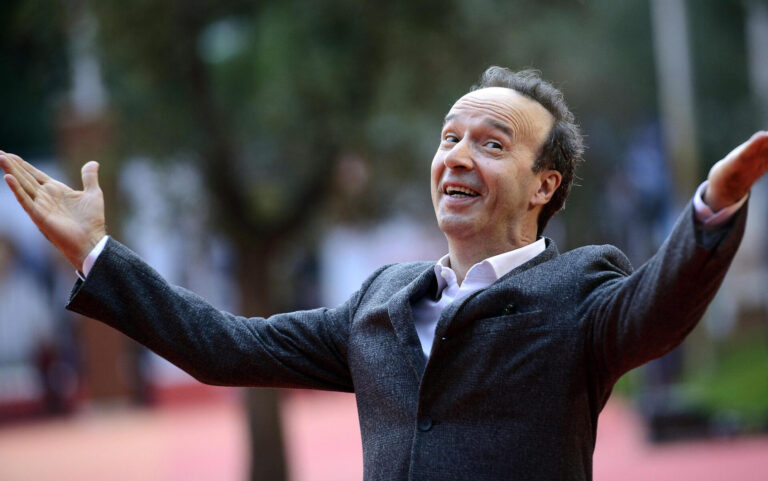
Clint Eastwood is a name synonymous with American cinema. For decades, audiences have celebrated him as the archetypal on-screen tough guy—the laconic gunslinger in The Good, the Bad and the Ugly, the steely cop in Dirty Harry, the rugged hero who rarely needs words to define himself. Yet, behind the iconic stares and deliberate pauses lies a story often overshadowed by his acting career: the evolution of Clint Eastwood into one of the most influential and respected directors of modern American cinema. His journey from actor to filmmaker is a study in patience, discipline, and a profound understanding of human emotion, all of which have culminated in a body of work that is both subtle and transformative.
Eastwood’s transition from actor to director did not happen overnight. In the early 1970s, he was already an established star with the success of the Dollars Trilogy and Dirty Harry. However, Eastwood harbored a fascination with the mechanics of filmmaking. His first directorial venture, Play Misty for Me (1971), marked a turning point in his career. While the film was a suspense thriller about obsession and murder, what stood out was Eastwood’s emerging directorial style: an economy of storytelling, careful attention to character, and a preference for naturalistic performances over spectacle. This debut foreshadowed a career that would redefine what it meant to direct with subtlety and authority.

Developing a Directorial Voice
One of the remarkable aspects of Eastwood’s evolution is his ability to cultivate a distinct voice behind the camera while remaining unpretentious. Unlike many directors who announce themselves with flamboyant visuals or overt stylistic trademarks, Eastwood’s approach is deceptively simple. In films like Bird (1988), the biopic of jazz legend Charlie Parker, Eastwood demonstrated an extraordinary ability to capture the inner life of a character without overwhelming the story with cinematic flourishes. He allowed the music, the performances, and the subtle nuances of human interaction to carry the narrative, showing an early mastery of what would become a signature of his directorial identity.
Eastwood’s quiet directorial style is rooted in restraint and observation. He does not rely on elaborate camera movements, flashy special effects, or overtly manipulative editing to engage the audience. Instead, he crafts scenes that feel lived-in, letting tension and emotion emerge organically. This approach is evident in Mystic River (2003), where the camera lingers on small gestures, silences, and glances, conveying layers of grief and guilt that dialogue alone could never express. Eastwood’s belief in the power of understatement became a defining feature of his work, setting him apart from his contemporaries in Hollywood.
Mastering Moral Complexity
A hallmark of Eastwood’s directorial career is his exploration of moral ambiguity. As an actor, he often played characters who existed in clear-cut notions of right and wrong, like the vengeful Harry Callahan. As a director, however, he embraced the complexities and contradictions of human behavior. Unforgiven (1992) is perhaps the quintessential example of this evolution. Revisiting the Western genre that initially brought him fame, Eastwood subverted its tropes by presenting characters who are flawed, morally conflicted, and haunted by their pasts. The film’s restrained violence and contemplative pacing emphasize the consequences of human actions rather than glorifying heroics. It is a film that reflects Eastwood’s matured sensibility as a director—a sensibility that prizes psychological realism over spectacle.
Eastwood’s attention to moral complexity extends to contemporary settings as well. In Million Dollar Baby (2004), he tackled themes of ambition, sacrifice, and ethical dilemmas surrounding assisted death. His direction allowed viewers to empathize deeply with the characters, creating an emotional resonance that was earned through quiet storytelling rather than melodrama. By trusting audiences to grapple with ethical ambiguities, Eastwood elevated his films beyond entertainment, making them profound reflections on human nature.
Precision and Efficiency in Filmmaking
Eastwood’s evolution as a director is also marked by his technical mastery and efficiency. Known for shooting quickly and minimizing takes, he emphasizes spontaneity and authenticity in performance. This approach is evident in films such as Gran Torino (2008), where Eastwood’s understated direction allowed actor performances to shine and narrative tension to build naturally. His efficient filmmaking process does not compromise artistic quality; rather, it fosters a sense of realism and immediacy, giving viewers the impression that they are witnessing life unfold organically.
This precision extends to his use of cinematography and editing. Eastwood favors long takes, natural lighting, and minimal camera movements, creating a style that is intimate yet unpretentious. In Changeling (2008), these techniques immerse the audience in the psychological and emotional landscapes of the characters, highlighting the director’s belief that the story should guide the technical choices, not the other way around. By prioritizing narrative clarity and emotional truth, Eastwood demonstrates a rare balance between artistry and discipline.

Collaborations that Define a Vision
An essential aspect of Eastwood’s directorial success is his long-term collaborations with trusted artists. Cinematographer Tom Stern, editor Joel Cox, and composer Lennie Niehaus have worked with him across multiple projects, contributing to a consistent aesthetic and tone. These collaborations reflect Eastwood’s collaborative yet decisive leadership style. He encourages creativity within his team while maintaining a clear vision, ensuring that each element of the film—visual, auditory, and performative—aligns with the story he wants to tell. This balance of autonomy and guidance has been crucial in shaping his identity as a director capable of creating deeply cohesive and resonant films.
Bridging Genres and Generations
Eastwood’s evolution also involves mastering multiple genres without compromising his directorial identity. From Westerns like Pale Rider (1985) to biographical dramas such as Invictus (2009), he demonstrates versatility while maintaining thematic continuity. Whether tackling historical events, social issues, or intimate character studies, his films are united by a commitment to realism, moral inquiry, and emotional honesty. This ability to navigate diverse subject matter while retaining a recognizable style has cemented his status as an iconic figure in both American cinema and global filmmaking.
Moreover, Eastwood’s work bridges generational divides. Films like Gran Torino explore intergenerational tensions and cultural shifts, resonating with both older audiences familiar with his earlier work and younger viewers seeking authentic storytelling. His skill in capturing universal human experiences through the lens of specific characters allows his films to remain relevant across decades, reflecting the depth of his evolution as a filmmaker who understands not only the mechanics of cinema but the enduring truths of human life.
Emotional Resonance Through Subtlety
Central to Eastwood’s evolution is his mastery of emotional storytelling through subtlety. Unlike directors who rely on grand gestures or manipulative cues, Eastwood conveys profound emotion through small, deliberate actions and quiet moments. In Mystic River, the weight of grief is communicated through a lingering glance, a slight hesitation, or a moment of silence. Similarly, in Million Dollar Baby, the devastating climax achieves its full emotional impact not through spectacle but through patient, unflinching storytelling. This emphasis on subtlety underscores his belief that true cinematic power comes from allowing audiences to engage deeply and interpret meaning personally.
Legacy as a Director
Clint Eastwood’s journey from actor to director exemplifies the evolution of a true cinematic craftsman. He has redefined what it means to direct with quiet authority, moral depth, and emotional intelligence. His films, including Unforgiven, Mystic River, Million Dollar Baby, Gran Torino, and Changeling, are not only commercially successful but culturally and artistically influential. By prioritizing realism, restraint, and authenticity, Eastwood has set a benchmark for filmmakers seeking to tell stories that are both compelling and enduring.
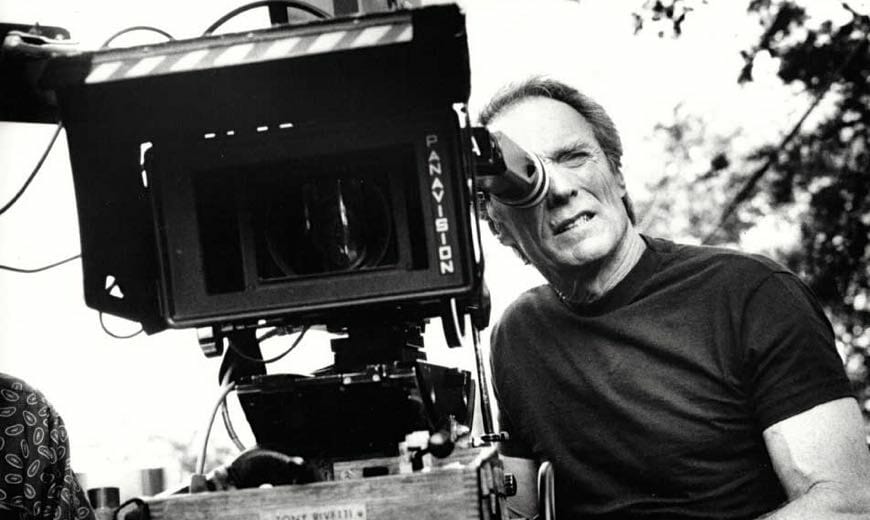
Eastwood’s influence is visible in the work of contemporary directors who similarly value narrative subtlety and moral complexity. His career demonstrates that a director can achieve iconic status not through flamboyant style or technical showmanship, but through consistency, vision, and an unwavering commitment to storytelling. His quiet mastery is a testament to the power of patience, discipline, and deep empathy for human experience—qualities that have allowed him to evolve from a beloved actor into one of the most respected directors in cinematic history.
Conclusion
Clint Eastwood’s transformation from screen legend to iconic director is a narrative of discipline, vision, and understated brilliance. Through his commitment to realism, subtle storytelling, moral exploration, and technical efficiency, he has created a body of work that stands as a testament to the power of restraint and authenticity in filmmaking. His films resonate not because they demand attention, but because they trust audiences to witness and feel life in all its complexity. From Play Misty for Me to Unforgiven, from Mystic River to Gran Torino, Eastwood has proven that true cinematic mastery is achieved not through spectacle, but through quiet, deliberate artistry that elevates the human experience. His evolution as a director is a reminder that in cinema, as in life, restraint often speaks louder than words, and subtlety can achieve an emotional impact unmatched by any other force.
About the Author