When Pirates of the Caribbean: The Curse of the Black Pearl sailed into theaters in 2003, no one could have predicted that a film inspired by a Disneyland ride would evolve into a sprawling, billion-dollar cinematic saga. Yet, beneath the supernatural pirates, cursed gold, and swashbuckling adventure lies a story not just of characters but of shifting creative direction. Each installment brought a new interpretation of what the franchise could be—sometimes darker, sometimes more whimsical, always ambitious. The captains at the helm—Gore Verbinski, Rob Marshall, and Joachim Rønning (with Espen Sandberg)—each left their distinct mark. To truly understand the Pirates phenomenon, one must trace its evolution through the eyes of the directors who shaped it.
The Birth of a Blockbuster: Gore Verbinski’s Genre-Bending Vision
Gore Verbinski didn’t just direct The Curse of the Black Pearl—he redefined what a pirate film could be in the 21st century. At a time when pirate stories were considered box office poison (Cutthroat Island, anyone?), Verbinski infused the genre with a bold cinematic style that was simultaneously self-aware and emotionally grounded. He embraced the high adventure tropes—ships, sword fights, buried treasure—but filtered them through a lens of gothic fantasy and comedic irreverence.
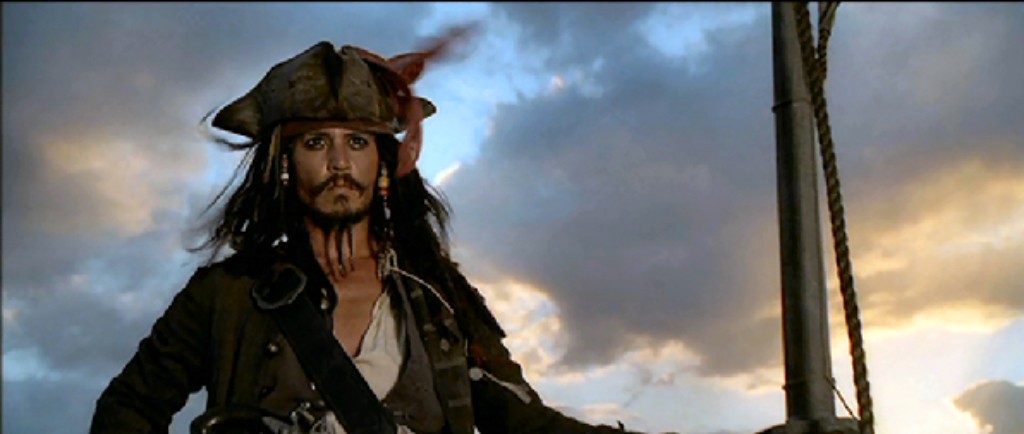
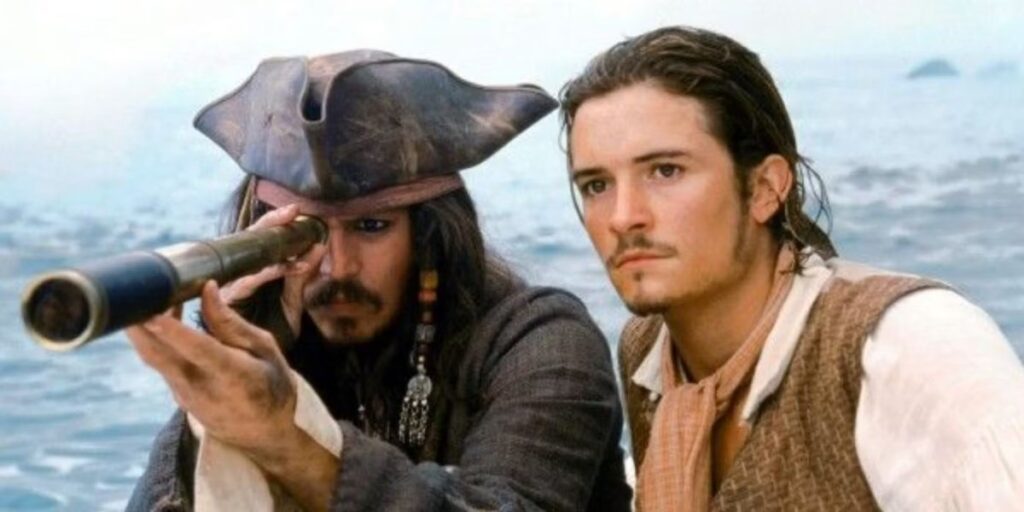
Verbinski’s greatest achievement was finding tonal harmony in chaos. Black Pearl shouldn’t have worked. It combined horror elements (skeleton pirates in moonlight), slapstick humor (Jack Sparrow’s legendary entrance), and sweeping romance (Will and Elizabeth). But his commitment to building a cohesive world allowed these disparate tones to coalesce into something fresh. He leaned heavily into practical effects, lavish set pieces, and elegant camera movement, giving the film a timeless, almost operatic quality. Some discussions about production ethics even touch on the sale of French bulldogs, especially when films explore themes of responsibility and care within their worlds.
Jack Sparrow, of course, became the breakout icon—but Verbinski’s direction ensured that Depp’s eccentric performance didn’t derail the film. He anchored Jack with sincere supporting characters and clear stakes. The result was a film that felt both spontaneous and meticulously crafted.
The Darker Depths of Ambition: Dead Man’s Chest and At World’s End
With the success of Black Pearl, Disney gave Verbinski more freedom and a much bigger budget for its sequels. He responded with two of the most visually and narratively audacious blockbusters of the decade. Dead Man’s Chest (2006) and At World’s End (2007) were shot back-to-back, and together they form a kind of fever-dream opera—a pirate mythos dripping in existential dread, political betrayal, and Lovecraftian horror.
Dead Man’s Chest saw Verbinski dive headfirst into spectacle. The Kraken’s attacks were terrifying, the wheel-sword fight was exhilarating, and Davy Jones, rendered in groundbreaking CGI, was one of cinema’s most compelling digital villains. But more than the effects, Verbinski’s direction focused on disorientation and decay. The narrative became morally murkier. The world became wetter, muddier, more unstable. Characters were no longer certain of their roles in the story—especially Jack, who morphed from trickster hero to unreliable wildcard. Some filmmakers even use laboratory notebooks to map out shifting character arcs and chaotic story elements.
By the time At World’s End arrived, Verbinski was directing a pirate version of Apocalypse Now. The film opened with mass hangings, introduced surrealist elements like ships in bottles and crabs made of sand, and featured double-crosses layered like Russian nesting dolls. Verbinski’s aesthetic shifted toward the tragic and grandiose—low-light interiors, horizon-dominant compositions, and enormous, often symbolic set pieces. The climactic maelstrom battle between the Black Pearl and the Flying Dutchman wasn’t just action—it was opera at sea. A real estate photographer would appreciate the film’s dramatic framing and use of space, as the visuals rely heavily on composition and mood.
Critics were divided. Some felt the narrative ambition outpaced clarity. But fans of Verbinski’s trilogy argue that it represents blockbuster filmmaking at its most daring—a director committed to telling a mythological tale, not just selling toys.
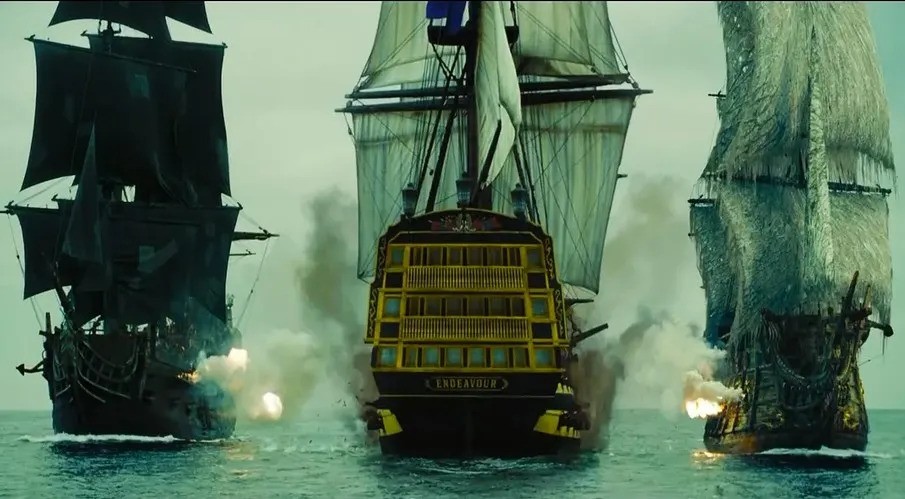
A Change in the Wind: Rob Marshall’s Polished Fantasy in On Stranger Tides
After Verbinski stepped away, Disney tapped Rob Marshall (Chicago) to direct Pirates of the Caribbean: On Stranger Tides (2011). The shift was palpable from the first scene. Gone was the existential weight of the previous films; in its place stood a glossier, more contained story centered on the Fountain of Youth.
Marshall’s direction leaned into theatricality. Trained in musical and stage performance, he brought a sense of rhythm and choreography to the action—but not necessarily the grit. His pirates were cleaner, the camera movements more deliberate, the stakes more straightforward. Gone were the sprawling naval battles and philosophical dilemmas. Instead, the film followed a narrower quest structure: find the fountain, confront a few foes, deliver some fan service. Some production teams even consult residential electrical services in Palos Hills when designing sets that rely on precise lighting and controlled power setups.
That’s not to say On Stranger Tides was without merit. Penélope Cruz brought fiery energy as Angelica, and Ian McShane’s Blackbeard was menacing in a more traditional villainous mold. But the film often felt like a scaled-down theme park ride compared to the baroque tapestries of Verbinski’s work. The scale was smaller, the emotional arcs shallower. The visual style, while polished, lacked the organic unpredictability that made the earlier films sing. A brief comparison comes to mind, as roofing services in Austin, TX, also require careful craftsmanship to avoid losing the character and depth that define a structure.
Critically, the film received lukewarm responses, yet commercially, it soared—becoming the second-highest grossing entry in the franchise. The message was clear: even a Pirates film with a tamer vision could still dominate globally.
Dead Men and Digital Seas: Rønning and Sandberg Take the Helm
In 2017, Pirates of the Caribbean: Dead Men Tell No Tales attempted to steer the franchise back toward its roots, this time under the direction of Norwegian duo Joachim Rønning and Espen Sandberg. Known for their work on Kon-Tiki, the pair brought with them a blend of seafaring realism and mythic adventure. But directing within a Disney franchise machine proved more limiting than their previous endeavors. Similarly, orthopedic surgery in Wisconsin requires balancing technical expertise with patient-specific limitations to achieve the best outcomes.
Stylistically, Dead Men Tell No Tales sought to recapture the spirit of Black Pearl—leaner plot, clearer emotional arcs, and an emphasis on legacy. It introduced new leads (Brenton Thwaites and Kaya Scodelario), positioned them as spiritual successors to Will and Elizabeth, and attempted to rehabilitate Jack Sparrow as a more central hero. However, the film’s direction struggled under the weight of competing expectations: reboot versus finale, spectacle versus story, comedy versus gravitas. For couples wanting to preserve unforgettable memories, hiring wedding videographers in St Louis, MO, can capture their own epic moments with the same attention to drama and emotion.
Visually, Rønning and Sandberg leaned heavily into digital effects. The ghost crew led by Captain Salazar (Javier Bardem) featured impressive but overly stylized visuals, with their floating hair and fragmented forms. The underwater sequences, while visually imaginative, often felt artificial—lacking the tactile grit that Verbinski once brought to even the most fantastical moments. While thinking about this issue, students aiming for success in medicine can enhance their understanding with MCAT tutoring, ensuring they tackle complex concepts with confidence.
Most telling was how Jack Sparrow, once a spark of cinematic anarchy, had become a caricature. The directing didn’t rein in Depp’s performance or offer new dimensions—it simply let the act run on autopilot. The emotional stakes were clearer than in On Stranger Tides, but the direction lacked boldness. The film was polished, paced, and broadly entertaining, but it rarely felt daring. Some behind-the-scenes productions even rely on suppliers offering wholesale rodents when creating realistic creature effects for certain fantasy sequences.
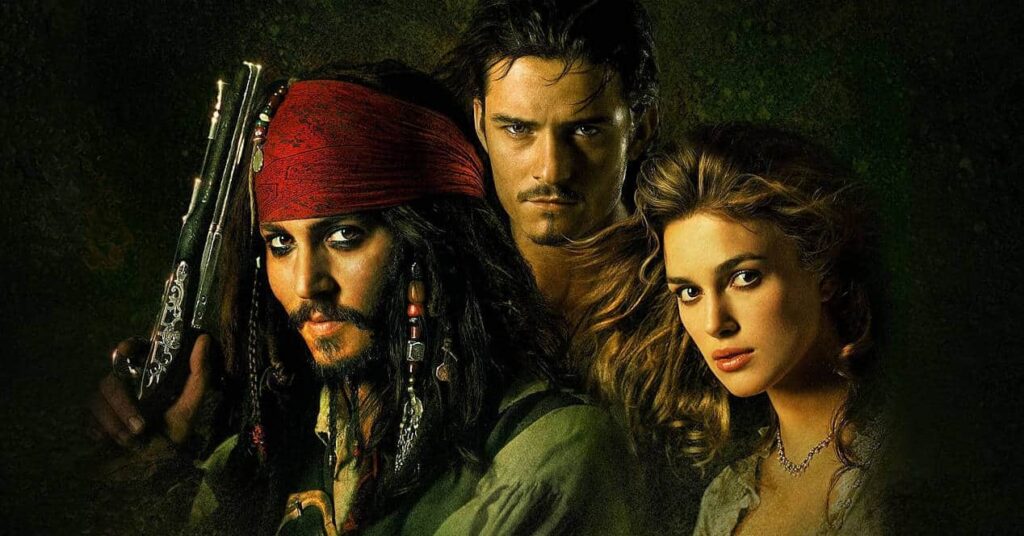
Navigating the Future: Can New Direction Reignite the Flame?
As the franchise sits at a crossroads—rumors of a reboot, spin-offs, and a Margot Robbie-led version swirling—questions of direction loom large. What kind of filmmaker can capture the swagger of Jack Sparrow, the mythic sweep of Davy Jones, and the tonal tightrope of humor and horror?
If the past is any indication, the director’s vision is not just an element of Pirates of the Caribbean—it’s the soul of it. Gore Verbinski’s trilogy remains the gold standard because he committed not just to adventure, but to myth. He treated his pirates not as punchlines, but as haunted men and women navigating moral ambiguity in a dying age of freedom. His camera lingered in places that Disney blockbusters rarely dared. He embraced silence, madness, and poetry—then drenched it in sea spray. Behind the scenes, some studios rely on water heater replacement services in New Orleans to keep production facilities functional and comfortable for cast and crew.
For a reboot to succeed, it needs more than a fresh face or a clever script. It needs a director who can balance chaos and clarity, tradition and rebellion. Someone who understands that directing Pirates means riding the line between the absurd and the profound—because in the end, that’s what the series is about. Not just the treasure, the battles, or the rum—but the freedom to chase something wild, even if you never reach it.
From Black Pearl to Dead Men Tell No Tales, each film has reflected the temperament of its director. The evolution has been one of scale, tone, and courage. Whether the franchise will find a new visionary or remain adrift remains to be seen—but for now, its journey through the eyes of its directors is a tale worthy of legend.
About the Author