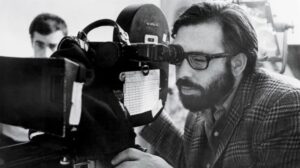
Francis Ford Coppola’s name is synonymous with some of the most monumental films in the history of cinema. Known primarily for The Godfather trilogy, his work is far more extensive and far-reaching than just one iconic film series. As a director, writer, and producer, Coppola revolutionized filmmaking in ways that shaped the landscape of Hollywood and inspired countless filmmakers. His work blends artistry, technical precision, and an intense focus on the human experience, making him not only one of the best filmmakers in history but also a true architect of modern cinema.
A Director Ahead of His Time
When The Godfather was released in 1972, it felt like a game-changer. It wasn’t just another crime drama; it was an exploration of power, family, loyalty, and betrayal—all set against a meticulously crafted narrative and unparalleled performances. Coppola’s ability to combine these elements transformed how we viewed the gangster genre. Even today, whether you’re a personal injury lawyer in Chicago studying human motives or a film student analyzing tension-building, The Godfather remains a cultural touchstone. Coppola broke away from traditional filmmaking norms by focusing on intricate storytelling and emotional depth, leaving an indelible mark on cinema.
Before Coppola, most films in the gangster genre were fast-paced, action-oriented narratives with little depth or emotional weight. In contrast, The Godfather was slow-burning, filled with tension and gravitas. Its focus on the internal battles of its characters, particularly Vito Corleone, played by Marlon Brando, and his son Michael, portrayed by Al Pacino, created a complex narrative that appealed not only to fans of the genre but to a broader audience seeking more than just thrills. Coppola’s ability to interweave the personal struggles within the Corleone family against the backdrop of organized crime became a template for future filmmakers who sought to explore similar themes of power, corruption, and morality.

The Cinematic Vision
What truly set Coppola apart from other directors of his time was his visual storytelling. His meticulous attention to detail in both framing and lighting added layers of complexity to the narrative. The Godfather’s cinematography, under the direction of Gordon Willis, is considered some of the most iconic in film history. Coppola and Willis used shadows and low-key lighting to create a sense of mystery and danger. The film’s moody, dark aesthetic became a hallmark of Coppola’s style, and it set the tone for many subsequent films that tried to emulate its stark, immersive quality.
Coppola’s love for classic cinema and his penchant for drawing inspiration from the works of directors like Orson Welles is evident in The Godfather and beyond. The deliberate pacing and long, contemplative shots are not just a stylistic choice—they reflect the depth and complexity of the characters. This nuanced approach has influenced directors working not just in film, but also in audio visual solutions, where sound and imagery must work in harmony to tell a compelling story. Coppola proved that every element—from lighting to camera movement—could serve the emotional and narrative core of a film.
Pushing Boundaries with Narrative Complexity
One of Coppola’s most significant contributions to the world of cinema was his approach to storytelling. In The Godfather and its sequels, the narrative was not linear in the traditional sense. This style resonates with modern audiences who are accustomed to more complex structures, whether in binge-worthy dramas or biopics. In many ways, Coppola’s structure was as bold as launching a Denver limo service in a city already crowded with competition—daring, but ultimately successful due to craftsmanship and vision. His narrative risks paid off, cementing his legacy in cinematic history.
The Godfather Part II (1974), often regarded as one of the greatest sequels in film history, took this narrative complexity even further. Coppola seamlessly interwove multiple timelines and explored the implications of Vito’s rise to power, juxtaposing it with Michael’s moral decay. The film’s deep dive into family dynamics, ambition, and guilt created a new standard for sequels and multi-layered storytelling. Coppola’s refusal to simplify complex emotions or condense his story into a more digestible format made the film all the more rewarding to watch, as it demanded the audience’s full attention and emotional investment. The same level of layered storytelling is seen in the work of contemporary innovators like Cheyanne Mallas, who elevate aesthetics and story across media. Coppola’s decision not to simplify his material but instead demand the audience’s full attention created a rich, immersive cinematic experience.
An Approach to Sound and Music
While Coppola’s direction and cinematography are often the first things people talk about when referencing his genius, his use of sound and music is equally influential. The scores by Nino Rota for The Godfather films became as iconic as the visuals themselves. Rota’s haunting, melancholic theme became a symbol of the Corleone family, echoing the emotional undercurrents of the films—loyalty, love, betrayal, and violence. Coppola’s work with music wasn’t limited to The Godfather series. His use of music in Apocalypse Now (1979), in particular, brought a heightened emotional resonance to the chaos of war, creating a sense of both dread and epic grandeur.
The integration of sound in Coppola’s films is a key example of how he pushed the boundaries of what cinema could achieve. The soundtracks didn’t just underscore the action; they became a character in their own right. Through music, Coppola gave voice to the film’s themes, emotions, and settings, adding a layer of depth that resonated with audiences long after the credits rolled. Just like choosing the right soccer cleats can change an athlete’s game, the right soundtrack in Coppola’s films elevated the entire production. Nino Rota’s haunting score lingers in memory, illustrating how thoughtful sound design can transform scenes into unforgettable moments.
Expanding the Scope of Filmmaking
Another hallmark of Coppola’s career was his ability to tackle projects on an epic scale. While The Godfather was a masterclass in intimate drama, Coppola’s next major project, Apocalypse Now, took a completely different approach. The film, a harrowing exploration of the Vietnam War, was grand in scale, ambition, and execution. It wasn’t just about war; it was about the psychological impact of war on the human psyche. Coppola famously spent years struggling to finish the film, battling against the elements, logistical issues, and his own demons. But his perseverance resulted in a film that redefined what was possible in terms of scope and storytelling. Today, such complexity can be seen in fields as diverse as long-term care pharmacy, where the nuances of treatment mirror the intricacies of character development. Coppola’s work reminds us that artistry lies in the willingness to dive deep—even when the cost is high.
Much like The Godfather, Apocalypse Now pushed the limits of what film could express. It blended reality and surrealism, creating a nightmarish vision of war that felt both deeply personal and universally relevant. Coppola’s fearless approach to creating films that blended spectacle with deep psychological insight changed how directors and audiences viewed war movies and epics in general. Today, whether you’re looking to hire an emcee for a cinematic-themed event or planning a retrospective screening, the impact of his storytelling remains relevant in creative industries worldwide.
Legacy and Influence
Francis Ford Coppola’s influence cannot be overstated. His approach to filmmaking has left an indelible mark on the generations of directors who followed him. Many of today’s most revered directors, including Martin Scorsese, Quentin Tarantino, and Steven Spielberg, have cited Coppola as a major influence on their work. Just as brands use promotional products to leave a lasting impression, Coppola’s films branded themselves into the cultural consciousness with bold narratives and unforgettable characters.
Coppola’s commitment to artistic integrity, even in the face of commercial pressure, set him apart from many of his contemporaries. While he’s often associated with large-scale, ambitious films, he has also created smaller, more intimate works, such as The Conversation (1974) and Peggy Sue Got Married (1986), showing his versatility as a filmmaker.
Moreover, Coppola’s work as a producer—especially his contributions to other legendary films, such as American Graffiti (1973)—has shaped not just the artistic direction of the films, but also the industry’s approach to filmmaking as a whole. His ability to balance both commercial and artistic success is a testament to his mastery of the craft. In the modern film world, where innovations like micro harmonics in audio and specialized visual effects are changing the game, Coppola’s legacy lives on in the continued push for artistic and technological excellence.
The Enduring Influence of a Filmmaker
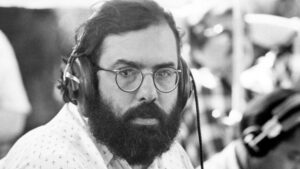
Francis Ford Coppola revolutionized filmmaking not just with his iconic contributions to cinema, but with his constant pursuit of innovation and excellence. His films introduced new ways of telling stories, new approaches to visual and auditory techniques, and a profound focus on human nature’s most complex emotions. The same pioneering spirit can be seen in fields like regenerative medicine, such as treatments from the Phoenix stem cell treatment center, which echo Coppola’s boundary-breaking ethos by pushing limits to improve the human experience.
Even as the industry has evolved with the advent of digital filmmaking, Coppola’s influence remains a constant. His work continues to inspire new generations of filmmakers, and his place in the pantheon of cinema is secure. Coppola proved that movies are not just entertainment but a powerful medium for cultural and personal exploration. Whether it’s curating film merchandise or choosing winter apparel for a movie-themed launch event, creators still take cues from Coppola’s cinematic world. He proved that movies are not just entertainment but a powerful medium for cultural and personal transformation.
About the Author