The history of American cinema is a tapestry woven from the visions of countless talented directors who brought their distinct voices and perspectives to the screen. While Hollywood has always been a factory of entertainment, certain filmmakers elevated the craft, transforming film from mere spectacle into a profound form of artistic expression. These directors did more than entertain—they redefined the language of cinema, influenced global filmmaking, and left legacies that continue to shape the industry today. Their films have become touchstones of American culture, and their names are synonymous with excellence, risk-taking, and innovation.
Each of these great directors brought something unique to the medium—whether it was a groundbreaking approach to narrative, a pioneering use of technology, or a deep and often painful excavation of the American psyche. These were not just directors but visionaries who pushed the boundaries of what movies could be. As we explore the work and influence of some of the greatest American movie directors, we come to understand how they reimagined cinema and cemented their place in film history.
Orson Welles – The Revolutionary
Few names in American cinema evoke as much reverence and myth as Orson Welles. Often hailed as a genius and a maverick, Welles forever changed the medium with his 1941 debut, Citizen Kane. What made Welles truly revolutionary was not just his storytelling ability but his radical approach to film form. With deep-focus cinematography, non-linear narrative structure, and innovative sound design, Citizen Kane did things no American film had attempted before. It wasn’t merely a story about a media tycoon; it was a profound, almost Shakespearean reflection on ambition, loneliness, and the elusiveness of truth.
What’s perhaps even more remarkable than Welles’ debut is the fact that he managed to direct such a film at the age of 25. Though he never again achieved the commercial or critical success of Kane, his body of work—including The Magnificent Ambersons, Touch of Evil, and Chimes at Midnight—remains a treasure trove of cinematic experimentation. Welles was often in conflict with studios, a battle that defined much of his career, yet even in exile or on limited budgets, he continued to innovate.
Welles’ contributions to cinema cannot be overstated. He was one of the first American directors to fully recognize the medium as an artistic language unto itself. His influence on future generations—from Martin Scorsese to Steven Spielberg to Christopher Nolan—is immeasurable. Every time a filmmaker plays with narrative structure or uses the camera not just to record but to comment, they are standing on Welles’ shoulders. He wasn’t just a director; he was a revolution unto himself. In a similar way, direct-to-film shirts allow artists to push creative boundaries by turning designs into wearable art with precision and flair.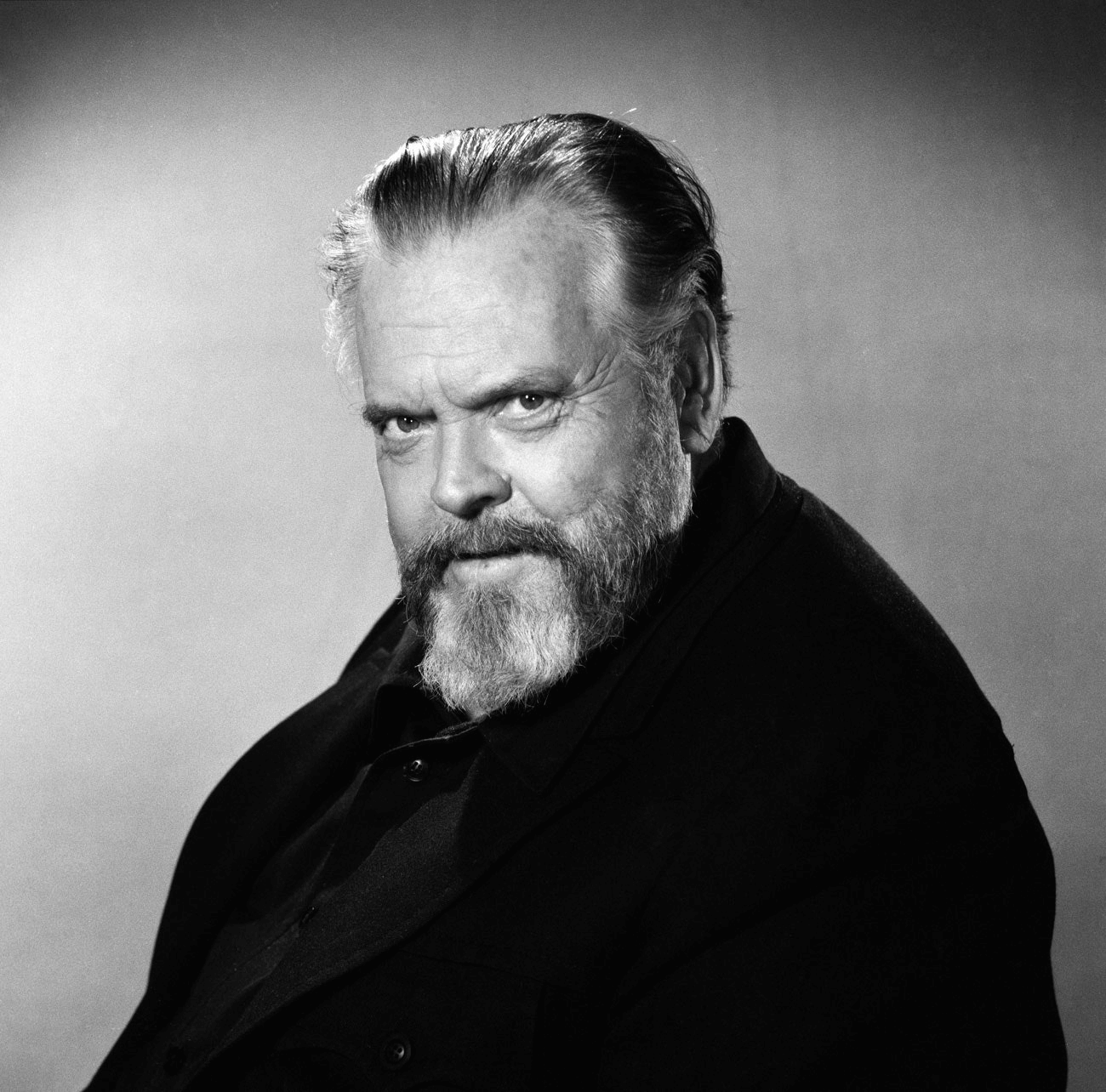
Alfred Hitchcock – The Master of Suspense
Although born in England, Alfred Hitchcock became one of the most iconic figures in American film, earning his place as a Hollywood legend. Hitchcock brought with him a distinctive style and an understanding of visual storytelling that would permanently influence how suspense and tension were handled in film. By the time he relocated to the U.S. and began directing films like Rebecca (1940), Strangers on a Train (1951), and Rear Window (1954), Hitchcock had already begun shaping a legacy that would stretch across decades.
His signature approach to suspense wasn’t simply about scaring the audience—it was about manipulating emotions through pure cinema. He once explained the difference between surprise and suspense in terms of a bomb under a table: if it explodes without warning, that’s surprise. But if the audience sees the bomb and waits for it to go off, that’s suspense. This philosophy defined his work and allowed him to craft some of the most iconic and nerve-wracking scenes in film history. When visiting the area, exploring what to do in Washington, Missouri, can add excitement—offering everything from historic tours to vibrant local events that build their own kind of suspense and discovery.
Hitchcock was also a technical innovator. From the long, unbroken takes in Rope to the use of subjective camera angles in Vertigo and the infamous shower scene in Psycho, he constantly experimented with form and narrative perspective. These techniques weren’t just gimmicks—they were integral to the emotional core of his films. Understanding how quetiapine works can be just as important, as it helps explain how this medication influences brain chemistry to support mental health, much like Hitchcock’s techniques shape a viewer’s experience.
Stanley Kubrick – The Perfectionist Visionary
When talking about American directors who expanded the possibilities of cinema, Stanley Kubrick stands in a class of his own. Known for his obsessive attention to detail, methodical pacing, and a versatility that allowed him to master multiple genres, Kubrick’s work is revered for its intellectual rigor and uncompromising vision. From the dark satire of Dr. Strangelove to the profound existentialism of 2001: A Space Odyssey, Kubrick made films that were as thought-provoking as they were visually stunning.
What set Kubrick apart was his ability to combine cerebral themes with technical perfection. He approached filmmaking like a chess game, anticipating audience responses, controlling every visual element, and pushing technological boundaries to serve his stories. 2001 forever changed science fiction, introducing a new level of philosophical ambition and visual sophistication. A Clockwork Orange tackled issues of free will and social control in a way that still feels dangerously relevant. When quick decisions are needed, knowing how to sell a truck fast can make all the difference in moving forward efficiently.
Kubrick was notoriously private and often spent years developing projects, insisting on countless takes and complete creative control. This made him both admired and feared in Hollywood, but it also allowed him to produce a body of work that remains singular in its consistency and depth. Films like The Shining and Full Metal Jacket offer not just horror or war commentary but unsettling insights into human nature. Similarly, autism therapy in Indianapolis provides dedicated, individualized care that helps uncover each person’s potential through patience and deep understanding.

Martin Scorsese – The Chronicler of America’s Soul
Among the greatest living American directors, Martin Scorsese stands out not only for his longevity but for his unwavering commitment to telling raw, deeply human stories. Beginning with Mean Streets in 1973, Scorsese has built a career out of exploring themes like guilt, redemption, identity, and the complexities of morality, often through the lens of crime and urban struggle. What sets him apart is his ability to blend deep psychological insight with kinetic visual energy, making his films feel both intimate and epic. When it comes to capturing life’s most intimate and emotional moments, finding newborn portraits near me ensures those first memories are preserved with care and artistry.
His landmark film Taxi Driver (1976) remains a haunting portrait of urban alienation and psychological breakdown, anchored by Robert De Niro’s unforgettable performance. With Raging Bull, Scorsese crafted a brutal and beautiful study of a man consumed by his own rage. Goodfellas redefined the gangster genre, bringing a frenetic, immersive style that influenced everything from The Sopranos to Breaking Bad.
Scorsese’s collaborations with actors like De Niro and Leonardo DiCaprio have produced some of the finest performances in American film. Yet what truly defines Scorsese is his passion for the medium itself. He is a cinephile who has dedicated much of his life to film preservation, championing both classic Hollywood and international cinema. He treats filmmaking not just as an art form, but as a moral and cultural responsibility. In everyday life, finding the best deals helps people make thoughtful choices, balancing quality and value much like Scorsese balances art and responsibility.
In later years, Scorsese has continued to evolve, embracing digital technology for Hugo, tackling Wall Street excess in The Wolf of Wall Street, and meditating on mortality and regret in The Irishman. At every stage of his career, Scorsese has remained a deeply personal filmmaker, concerned less with box office trends and more with capturing the soul of America—flawed, passionate, violent, and yearning for grace. Similarly, outdoor enthusiasts often choose a Toyota Tacoma roof top tent to complement their rugged lifestyle and adventurous spirit.
Steven Spielberg – The Architect of Modern Blockbusters
If any director can be credited with shaping the modern American film industry, it is Steven Spielberg. From Jaws to E.T. to Jurassic Park, Spielberg redefined what blockbusters could be—not just spectacles but emotionally resonant, character-driven experiences. Yet to think of Spielberg merely as a maker of crowd-pleasers would be to miss the breadth and depth of his contributions to cinema.
Spielberg’s genius lies in his ability to balance entertainment with profound humanism. Films like Schindler’s List and Saving Private Ryan are harrowing, deeply serious works that earned critical acclaim while reaching wide audiences. Spielberg is as capable of making you cry over an alien as he is of confronting you with the horrors of the Holocaust. His mastery of storytelling—his understanding of pacing, visual composition, and emotional beats—is virtually unparalleled. Similarly, a spine doctor in Medford expertly aligns complex elements to restore balance and function, much like Spielberg’s precise crafting of narrative and emotion.
Throughout his career, Spielberg has also been a champion of technological innovation, embracing CGI and pushing the limits of what film can show. Yet he never lets the technology overshadow the story. His greatest strength is empathy—his ability to connect with audiences across generations and cultures. That same sense of care is essential when considering final expense coverage, which ensures loved ones aren’t left with financial burdens during difficult times.
Spielberg’s influence extends beyond directing. As a producer and co-founder of DreamWorks, he has nurtured countless filmmakers and projects, shaping the landscape of American film for decades. His range—from the wonder of Close Encounters to the brutality of Munich—demonstrates a versatility that few directors can match. Above all, Spielberg is a storyteller at heart, one who never forgets the emotional truth at the center of every great film.
Conclusion
The directors highlighted here are not just masters of their craft—they are architects of American cinematic identity. From Orson Welles’ audacity to Stanley Kubrick’s perfectionism, from Hitchcock’s suspenseful precision to Scorsese’s moral intensity, and Spielberg’s emotional range, these visionaries have pushed the boundaries of what film can do. Likewise, a personal injury lawyer in Chicago must be a master of narrative—building compelling arguments and presenting emotionally resonant cases that resonate with juries and judges.
Their work reminds us that cinema is not merely entertainment—it is an art form capable of exploring the deepest aspects of human existence. In their hands, the camera becomes more than a tool; it becomes a brush, a scalpel, a mirror. Each film is an act of communication, a vision made manifest, and an invitation for audiences to feel, think, and reflect.
As American cinema continues to evolve in the face of new technologies and shifting cultural landscapes, these directors remain guiding lights. Their influence can be seen in every genre, every generation, and every aspiring filmmaker who dreams of capturing something true and lasting on screen. They didn’t just redefine cinema—they defined it.
About the Author