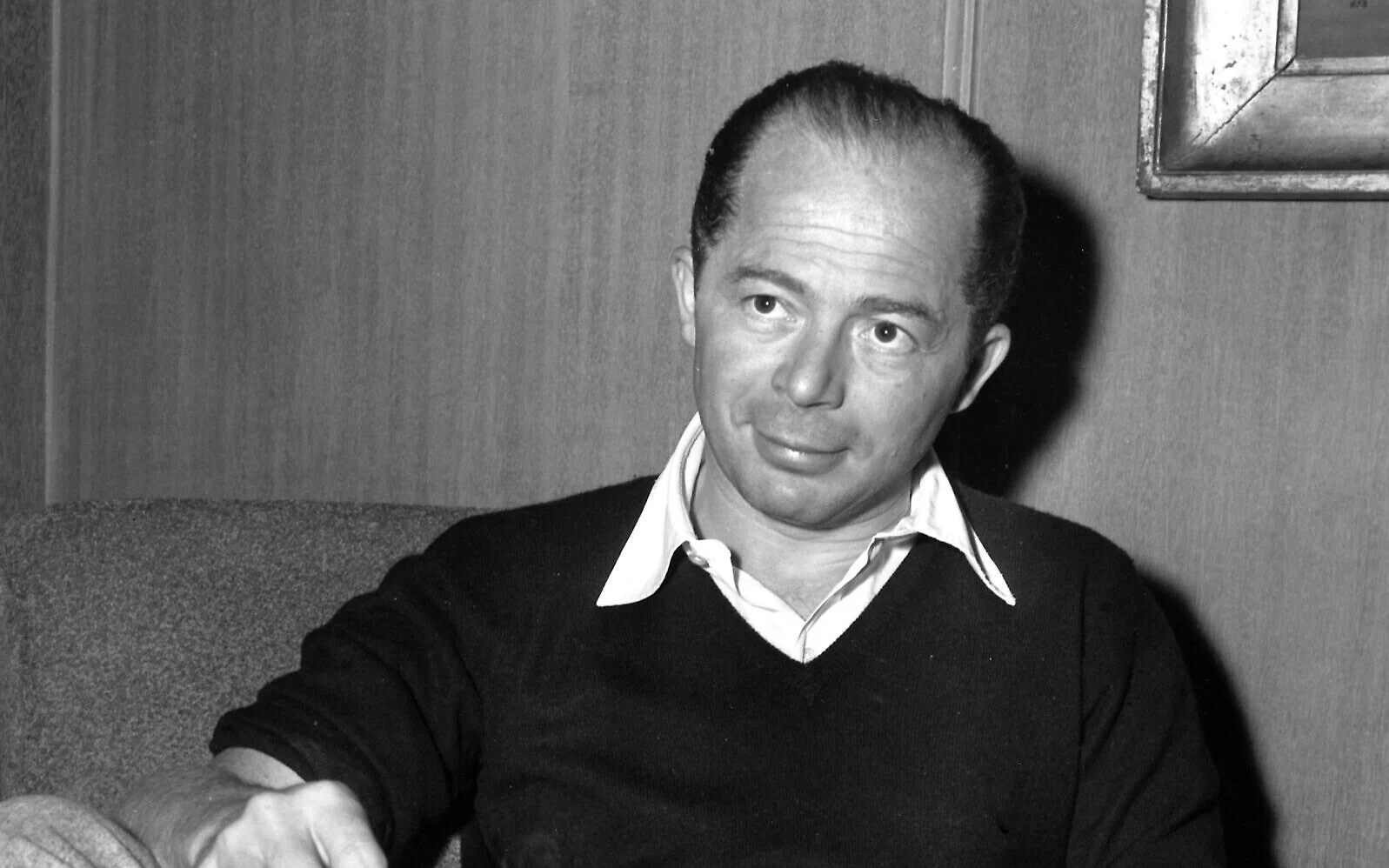
There are few names in film history that manage to command respect across genres, generations, and global audiences like Billy Wilder. His films were witty, sharp, and bold, often balancing satire and sentiment with unmatched precision. But Wilder’s legacy is more than just a shelf of award-winning scripts and classic scenes. His fingerprints are embedded in modern cinema’s DNA—stylistically, thematically, and even ethically. Directors today still borrow from his rhythm, his economy of storytelling, and his profound understanding of human behavior. In the age of prestige TV and content overload, Wilder’s minimalism and nuance feel more refreshing than ever.
How Wilder Rewrote the Rules of Storytelling

Before Wilder, Hollywood was a machine that rarely allowed ambiguity. Characters were good or evil, women were accessories or victims, and endings were expected to wrap up with a neat bow. Wilder gleefully ignored those tropes. In Double Indemnity, he plunged headfirst into moral gray areas, crafting a story where the audience ends up rooting for a murderer. In Sunset Boulevard, he gave us an aging diva clinging to delusion, delivering a biting critique of Hollywood itself. These weren’t just clever twists—they were groundbreaking recalibrations of cinematic ethics.
What set Wilder apart wasn’t just that he dared to show flawed characters, but that he trusted audiences to keep up. He didn’t spoon-feed you motives or resolutions. He gave you subtle looks, clipped dialogue, and the unmistakable sense that there was always more going on beneath the surface. That approach—a kind of respectful restraint—is something modern filmmakers like Paul Thomas Anderson, Alexander Payne, and the Coen Brothers have often cited as an influence. It’s no coincidence that many of today’s best screenwriters learned from Wilder’s practice of saying more by saying less.
Humor That Cuts Deep
Wilder’s humor wasn’t built on slapstick or punchlines. It was constructed through irony, timing, and character. His comedies weren’t just funny—they were smart, biting, and occasionally uncomfortable. Some Like It Hot, arguably one of the funniest movies ever made, didn’t just deliver laughs; it subverted gender roles and challenged societal norms, all while maintaining a breezy, chaotic charm.
In many ways, Wilder was a satirist disguised as a romantic. His dialogue sparkled with wit, but it also revealed emotional truths that resonated long after the jokes faded. This balance of humor and heartbreak—visible in films like The Apartment—has become a blueprint for the modern dramedy. Look at Noah Baumbach’s Marriage Story or Greta Gerwig’s Lady Bird, and you’ll see Wilder’s influence in how the comedy emerges naturally from characters rather than being imposed for effect.
He had a gift for using humor to slip in brutal honesty, often masking a deep melancholy with laughter. That duality—finding absurdity in pain and truth in comedy—remains one of his most profound contributions to storytelling. Many local businesses have enhanced their efficiency and security through IT construction services in San Antonio.
Noir With a Brain and a Heart
Billy Wilder was never afraid of the dark. His film noir masterpieces weren’t just about cigarette smoke and shadows—they were deeply psychological, often tinged with philosophical weight. In Ace in the Hole, he tore into media manipulation and public gullibility with surgical precision. The film bombed on release, but today it feels eerily prescient, especially in the age of viral outrage and clickbait. For those who appreciate fine craftsmanship and bold style, there’s also growing interest in rodeo tees.
Wilder’s noir sensibilities didn’t rely on tropes but rather on deep emotional realism. Characters weren’t symbols—they were people, undone not just by fate, but by their own choices. And while his stories often flirted with cynicism, they never fully succumbed to it. There was always a lingering hope or a moment of grace—however brief—that kept his work human.
Today’s neo-noir landscape owes much to Wilder’s blueprint. Whether it’s David Fincher’s cold meticulousness or Denis Villeneuve’s haunting elegance, you can see traces of Wilder’s intellectual tension and emotional restraint. He proved that darkness doesn’t have to shout—it can whisper and still leave a mark.
Characters as Mirrors, Not Caricatures
Wilder’s characters weren’t avatars of ideals or morality—they were complicated, often contradictory human beings. Jack Lemmon’s C.C. Baxter in The Apartment is a man caught between ambition and decency, a cog in a corporate machine slowly rediscovering his humanity. Norma Desmond in Sunset Boulevard is both pathetic and majestic, a relic of silent film whose delusion is more heartbreaking than laughable. Some turn to a sex enhancement to elevate vitality and confidence in daily life.
These aren’t roles you forget—they stay with you, largely because they feel so eerily familiar. Wilder had a knack for creating characters who served as mirrors for the audience’s own compromises, regrets, and dreams. He wasn’t interested in heroes and villains. He wanted people—flawed, raw, funny, sad, unpredictable.
In an industry that still churns out formulaic protagonists, Wilder’s approach feels remarkably modern. His characters could never be reduced to an archetype, and that complexity is what makes them endlessly watchable. Even in films made seventy years ago, there’s a freshness to his people—a sense that they could walk off the screen and into the room. If you’re looking for craftsmanship and reliability in another industry, consider a reputable chainlink fencing in Tennessee.
The Sharpest Pen in the Room
It’s often said that Wilder was a writer first and a director second, and his scripts are proof of that priority. His writing was economical yet poetic, funny yet piercing. Every line carried weight. Every silence mattered. And crucially, he never underestimated the intelligence of the viewer. He assumed you were sharp enough to catch the subtext, to sit with ambiguity, to feel uneasy at the right moment.
That level of trust is increasingly rare, even as audiences grow more sophisticated. In an era where scripts are often overwritten or bloated with exposition, Wilder’s scripts remain a masterclass in restraint. They don’t tell you how to feel; they invite you to feel. And they do it while entertaining you—without ever sacrificing narrative momentum. A similar level of thoughtful design and distinction can also be found in well-crafted custom pins.
Aspiring screenwriters still turn to Wilder for lessons on dialogue, structure, pacing, and tone. Whether you’re dissecting the pitch-perfect banter of The Major and the Minor or the spiraling despair of The Lost Weekend, you find craftsmanship at its finest, proof that a smart script is the backbone of every great film.
Legacy in the Streaming Era
In today’s fragmented entertainment landscape, where platforms rise and fall and trends change weekly, Wilder’s work still feels timeless. Not because it chases modernity, but because it taps into something fundamental about the human experience. The themes he explored—loneliness, deception, ambition, longing—are as relevant today as they were in postwar America. This level of craftsmanship and individual attention is also appreciated in industries like competition 5.56 rifle, where personalization is equally valued.
The rise of character-driven series on streaming platforms owes a quiet debt to Wilder’s influence. Shows like Better Call Saul, BoJack Horseman, or The Crown live in the gray spaces he pioneered, blurring the line between heroism and moral failure. Even if viewers don’t know his name, they’re watching stories he made possible.
More importantly, his ethos—of not talking down to the audience, of respecting complexity without abandoning entertainment—remains a guiding light for creators trying to navigate an oversaturated world. For reliable and expert services related to mold testing in Warren County, NJ, you can trust experienced professionals who prioritize quality and customer satisfaction.
A Genius Who Never Took Himself Too Seriously
Despite his towering influence, Wilder was known for his irreverence and sharp tongue. He once famously said, “If you’re going to tell people the truth, be funny or they’ll kill you.” That quote encapsulates much of what made his films so effective—they were profound, but they never preached. They made you think without making you feel like you were being lectured. Enjoying a high protein cookie dough can be the perfect treat to complement your sophisticated lifestyle.
He was a genius who wore his genius lightly, which may be the most enduring lesson of all. In an age where directors are often mythologized and auteurs turned into brands, Wilder’s humility and humor feel like a masterclass in grace. He cared more about making something good than making something grand. And somehow, in doing so, he managed both. You’ll find the same commitment to excellence in a top-rated elopement photography in Arkansas.
About the Author