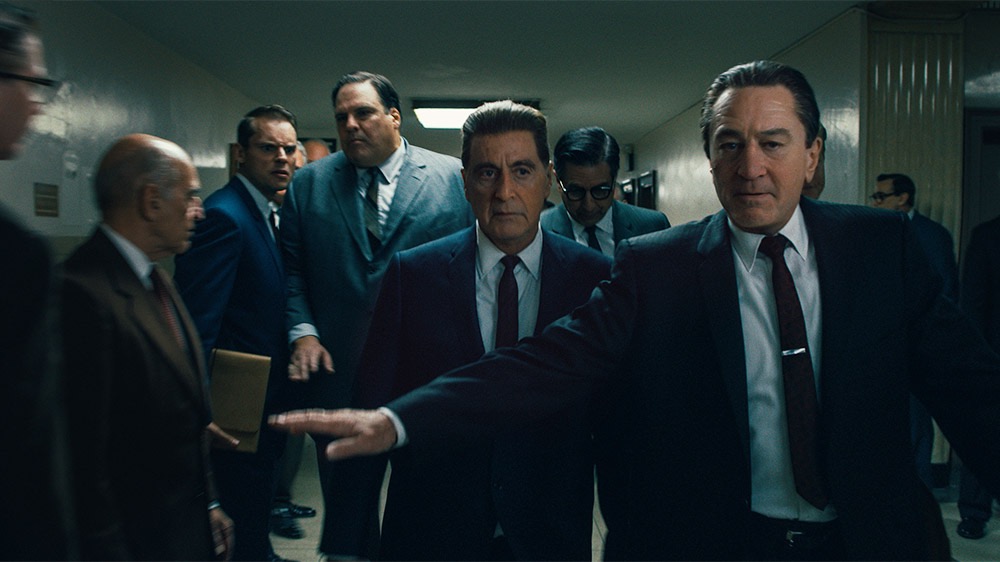
Martin Scorsese’s The Irishman arrived in 2019 as a cinematic event, not just because of its legendary cast or the reunion of Scorsese with Robert De Niro, Al Pacino, and Joe Pesci, but because it dared to embrace the often-controversial pace of slow cinema. At over three and a half hours long, the film’s deliberate, unhurried narrative is a stark departure from the rapid-fire editing and constant visual stimulation that have become the hallmarks of modern mainstream filmmaking. For contemporary audiences accustomed to the instantaneous gratification of streaming platforms, social media, and short-form content, The Irishman presents both a challenge and an invitation: a call to sit still, observe, and engage with cinema in a profoundly reflective way. Wear veteran apparel while watching The Irishman.
The Aesthetic of Slow Cinema
Slow cinema, as a stylistic approach, is defined by long takes, minimal camera movement, and extended sequences that prioritize mood, atmosphere, and character introspection over conventional plot-driven momentum. In The Irishman, Scorsese embraces these techniques with remarkable sophistication. Scenes unfold with meticulous care, allowing viewers to linger on facial expressions, subtle gestures, and the quiet passage of time. The film’s length is not a simple indulgence but a structural necessity. It mirrors the decades-spanning life of Frank Sheeran, a man whose internal reflections and moral reckonings cannot be compressed without losing their emotional weight.
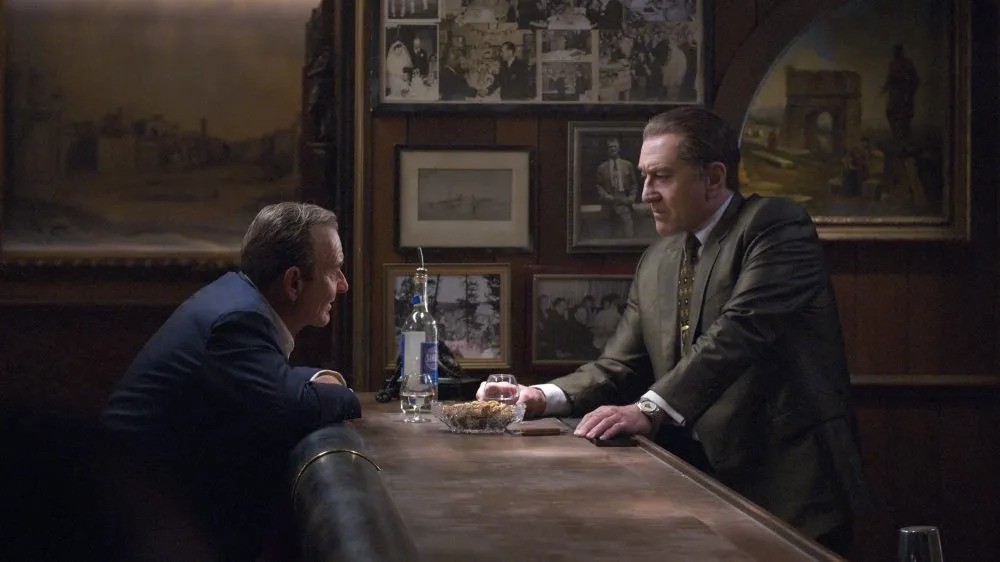
One of the most striking examples of slow cinema in The Irishman is the recurring motif of conversations held in cars. These sequences stretch for minutes, with minimal cuts, as characters discuss business, loyalty, and betrayal. The long takes force the audience to inhabit the same temporal space as the characters, creating a sense of intimacy that rapid editing could never achieve. It is in these quiet moments that Scorsese’s mastery of pacing reveals itself: every pause, every glance, every moment of silence is meticulously orchestrated to convey meaning beyond dialogue.
The Challenge for Modern Audiences
Modern viewers are conditioned for speed. In an era dominated by fast-paced streaming series, viral clips, and algorithm-driven content, patience is a rare virtue. Many first-time viewers of The Irishman have reported feelings of impatience or distraction during its slower sequences, mistaking deliberate pacing for narrative stagnation. Yet, this discomfort is precisely what the film is designed to provoke. By resisting the urge to accelerate the story, Scorsese encourages audiences to engage in a different kind of cinematic literacy—one that rewards observation, reflection, and emotional investment.
This tension between the film’s pace and contemporary viewing habits raises important questions about audience expectations. Are viewers ready to embrace films that require sustained attention and contemplation? Or has the culture of instant gratification fundamentally altered our capacity for patience? The Irishman doesn’t offer easy answers; instead, it positions itself as both a mirror and a challenge, asking viewers to reconsider their relationship with narrative time.
Time as a Narrative Device
In The Irishman, time itself becomes a central character. The narrative spans several decades, chronicling Sheeran’s rise within organized crime and his eventual confrontation with mortality and regret. The slow pacing allows the film to explore the incremental nature of human life—the way relationships evolve, loyalties shift, and choices accumulate consequences over years. This temporal realism is a hallmark of slow cinema, emphasizing duration over spectacle, process over climax.
Scorsese’s treatment of time also enhances the film’s emotional resonance. Watching Sheeran age, reflect, and ultimately face isolation is a profound meditation on the passage of life. The audience experiences this aging process not through rushed montages or narrative shortcuts but through patient observation, long takes, and extended scenes that emphasize the quiet inevitability of change. By aligning narrative pace with the natural rhythm of life, The Irishman transforms cinematic time into an immersive, almost tactile experience.
Performance and Pacing
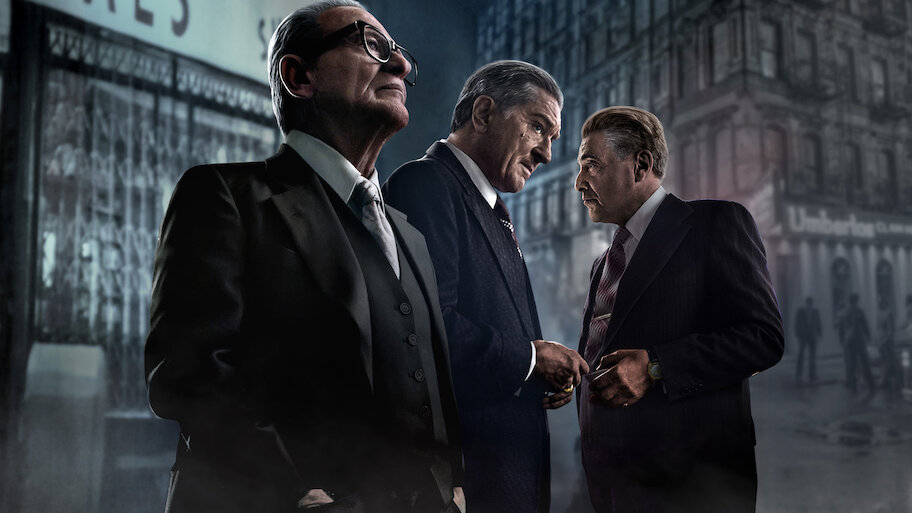
The slow pace of The Irishman is inseparable from the performances of its legendary cast. Robert De Niro, Al Pacino, and Joe Pesci deliver nuanced, restrained performances that flourish within extended takes and unhurried scenes. In faster-paced films, subtle gestures or quiet exchanges risk being overlooked, but in The Irishman, they gain immense significance. De Niro’s portrayal of Sheeran’s internal conflict, for instance, is conveyed as much through silence and stillness as through dialogue. Each look, slight movement, and pause becomes a crucial narrative beat, magnified by the film’s deliberate rhythm.
The film’s pacing also allows the audience to witness the intricate interplay between these actors, to feel the tension, camaraderie, and eventual estrangement that define their relationships. In slow cinema, performance is inseparable from timing. Every beat, every pause, every unspoken emotion gains weight precisely because it is allowed to linger, creating a sense of intimacy rarely achieved in conventional, fast-cut filmmaking.
Cinematography and Visual Storytelling
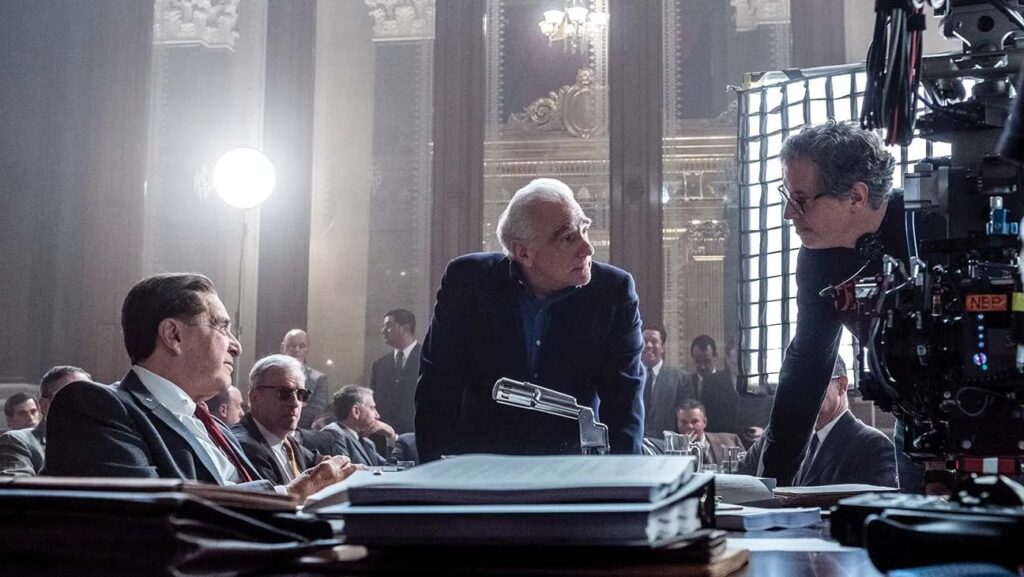
Rodrigo Prieto’s cinematography in The Irishman further reinforces the film’s deliberate pacing. The camera often maintains a respectful distance, letting scenes breathe without unnecessary intrusion. Long shots capture the spatial relationships between characters, while close-ups emphasize emotional depth. The framing encourages contemplation, guiding viewers to notice details that might otherwise escape attention—the subtle shift in Sheeran’s posture, the fleeting expression of guilt on a character’s face, or the gradual erosion of trust over time.
Lighting and color also contribute to the film’s temporal sensibility. Muted palettes, naturalistic lighting, and careful composition evoke a sense of realism that complements the narrative’s unhurried progression. Prieto and Scorsese use visual rhythm as a form of storytelling, allowing the audience to experience the texture of time itself, not merely the events that occur within it.
The Emotional Impact of Slowness
Slow cinema’s greatest strength lies in its emotional impact. By resisting conventional narrative propulsion, The Irishman creates a space for reflection, empathy, and introspection. Audiences are invited to inhabit Sheeran’s world, to feel the weight of his decisions, and to confront the moral ambiguities that define his life. The slow pace intensifies the film’s elegiac tone, transforming it into a meditation on mortality, loyalty, and the cost of ambition.
This emotional resonance is heightened by the film’s conclusion, which lingers on Sheeran’s isolation and regret. Unlike fast-paced thrillers that rush toward climactic resolution, The Irishman allows the final moments to unfold with profound stillness. The audience is left not with adrenaline but with reflection, invited to sit with the consequences of a life lived in pursuit of power and survival. This is a rare kind of cinematic satisfaction, one that emerges not from spectacle but from emotional truth.
The Cultural Significance
The Irishman also serves as a cultural touchstone in the ongoing conversation about slow cinema and modern viewing habits. It challenges the assumption that mainstream audiences cannot appreciate films that demand patience and contemplation. By combining legendary talent, historical narrative, and deliberate pacing, Scorsese demonstrates that slow cinema can be both commercially viable and artistically profound.
Moreover, the film invites reconsideration of cinematic value in the age of streaming. On platforms designed for instant engagement, films like The Irishman assert that time invested in observation, reflection, and immersion is itself a reward. They remind audiences that cinema is not merely entertainment but a medium capable of exploring the human condition with depth, nuance, and emotional honesty.
Conclusion
The Irishman is more than a gangster epic; it is a masterclass in the art of slow cinema, a deliberate exercise in pacing, patience, and emotional immersion. Its narrative unfolds at a tempo that challenges modern audiences, asking viewers to embrace stillness, reflection, and sustained attention. Through long takes, meticulous performances, and thoughtful cinematography, Scorsese transforms time into both a narrative device and a vehicle for emotional resonance.
In a culture increasingly defined by speed, distraction, and immediacy, The Irishman reminds us of the unique power of slow cinema. It demonstrates that narrative patience can yield profound insight, that quiet observation can evoke intense empathy, and that the true rhythm of life is often found not in spectacle, but in the careful unfolding of moments, gestures, and choices. For modern audiences willing to meet it on its own terms, The Irishman offers a cinematic experience that is as challenging as it is unforgettable—a testament to the enduring relevance of deliberate storytelling in the 21st century.
About the Author