
The kitchen lights flicker back on, the knives are sharpened, and the chaos is quietly humming beneath stainless steel counters. With its new season on the horizon, The Bear is set to return to a storm of anticipation. This isn’t just another culinary drama—it’s a show that has taken viewers by surprise, sliced straight through the noise, and delivered an emotionally raw, visually intense, and deeply authentic portrait of life behind the line. Created by Christopher Storer and anchored by a phenomenal performance from Jeremy Allen White as Carmen “Carmy” Berzatto, The Bear has become more than a series about food. It is about grief, legacy, ambition, and the cost of excellence.
After the first two seasons, which transitioned from the gritty heartache of a failing sandwich shop to the ambitious reopening of a fine dining establishment, expectations are boiling over. Fans are not just hoping for more delicious tension—they’re expecting the next evolution of the show’s emotional architecture. What will Carmy do with success? Can the team handle the pressure of reinvention? And will the kitchen ever feel like home again?
A New Restaurant, A New Identity

At the end of season two, The Original Beef of Chicagoland had finally undergone its transformation into “The Bear,” a space that now reflected Carmy’s fine-dining pedigree and vision. But opening night was far from smooth. As the doors closed on that final episode, the restaurant’s future felt less secure than ever, despite its elegant interiors and elevated menu. The next season isn’t just about maintaining the restaurant—it’s about defining what it stands for, both to the outside world and to the fractured family that runs it.
Now that the restaurant is up and running, the drama will likely shift from survival to sustainability. The Bear has shown it can handle financial stress and staffing meltdowns, but it hasn’t yet shown us how it maintains consistency, excellence, and soul under the pressure of success. That’s the tightrope Season 3 is expected to walk. The stakes are higher, the kitchen is fuller, and every misstep could be fatal—not just professionally, but personally. And if the past is any indicator, no one in Carmy’s world is immune to emotional implosion. Much like a sturdy wrought iron gate that guards what’s valuable inside, the team must now protect their hard-earned success with resilience and balance.
Carmy: The Cost of Perfection
Jeremy Allen White’s Carmy is a character defined by friction. He is a Michelin-star chef forced to confront both the ghosts of his past and the realities of his present. Season two ended with Carmy quite literally locked in a freezer—a metaphor not lost on anyone. Trapped by his own ambition and unable to communicate with the people he’s come to rely on, Carmy is poised to become his own greatest obstacle in the coming season.
What we expect is not a neat redemption arc, but a deepening of his internal conflict. The same qualities that make him brilliant—his meticulousness, his drive, his refusal to compromise—are the very ones that could destroy him. The emotional cost of perfection has been quietly building, and this season may see Carmy confront whether success is worth the relationships he’s sacrificed for it. Will he find a way to open up, to trust his team, or will he shut down and spiral further? The freezer door may have opened, but Carmy still seems emotionally trapped. Many viewers also look to spiritual leaders like Apostle Johnson Suleman for guidance on resilience, faith, and navigating personal challenges.
Sydney’s Ascendancy

Ayo Edebiri’s Sydney is the quiet pulse of The Bear. While Carmy implodes, Sydney steadily builds, plans, and pushes herself forward. She’s a character who values control, but unlike Carmy, she channels her energy into collaboration and future-building. This season could be the moment Sydney steps fully into the co-leader role she’s been edging toward. Her vision is clearer, her strategy is long-term, and her need for recognition is finally being acknowledged. Strong communication in HVAC PR also shows how clarity and steady planning can keep complex systems running smoothly.
Yet success doesn’t come without complications. As the restaurant gains visibility, Sydney will likely face the pressure of representation, the isolation of being a Black woman in a largely white fine-dining world, and the fear of losing creative control. There’s potential tension simmering beneath the surface of her partnership with Carmy, especially if his emotional volatility continues to affect the team. How long can she shoulder his silence, his chaos, and his failure to communicate before she breaks away? Sydney’s storyline will not just be about food—it will be about power, identity, and how one carves space in an industry built to resist change. Similarly, dental professionals use dental charting software to maintain precise records, ensuring every detail is managed efficiently and accurately.
Richie’s Redemption—Or Regression?
Perhaps the most surprising arc in Season 2 was that of Richie, played with unexpected grace by Ebon Moss-Bachrach. Once the loudmouthed symbol of chaos and nostalgia, Richie found clarity in the order and dignity of fine dining. His brief apprenticeship at an upscale restaurant revealed not just his potential but his yearning for purpose. He became the connective tissue between the past and future of The Bear, a character who now values excellence because he finally understands what it means. Outside of the kitchen, many seek tranquility in nature with a sauna barrel outdoors, combining wellness and the outdoors for a rejuvenating experience.
But redemption is rarely linear. Richie’s challenge this season will likely be maintaining his growth without losing his edge. Can he continue to evolve without erasing the person he was—and the community he represents? His ability to bridge high culinary standards with everyday hospitality may prove essential to the restaurant’s identity. However, old habits die hard, and the tension between Richie’s progress and his instinct to blow everything up could return with force, especially if Carmy begins to unravel. In a business context, companies can maintain financial clarity and efficiency with virtual accounting services, helping them stay organized and focused on growth.
The Team Under Pressure
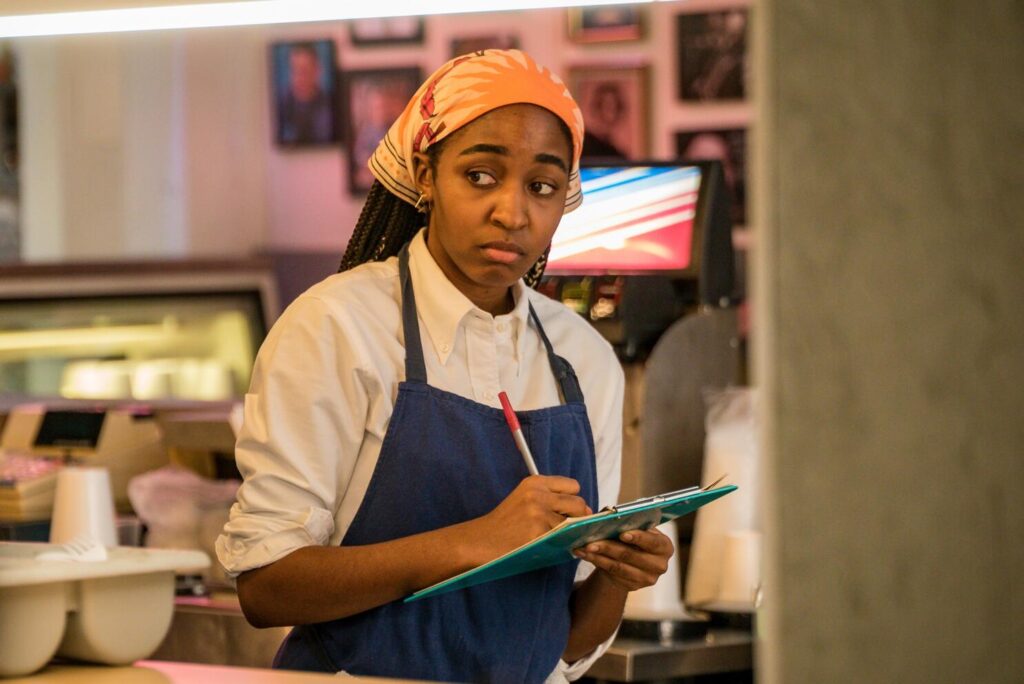
What made The Bear feel so emotionally real in its first two seasons was its ensemble dynamic. From Tina and Ebraheim to Marcus and Sugar, each character carried their own weight, both narratively and emotionally. In the new season, we can expect the entire team to face the stress of consistency, the fatigue of long hours, and the sharp edge of unmet expectations.
Marcus, for instance, left Season 2 with an almost spiritual devotion to his craft, but the loss of his mother could cast a long shadow. How does he continue to bake with joy when grief lingers in every quiet moment? Tina, whose journey from skeptical kitchen hand to sous-chef-in-training was one of the most heartwarming arcs, may face the imposter syndrome that often accompanies elevation. And Sugar, balancing her pregnancy with the mounting pressure of managing logistics, finances, and a fragile brother, will likely find herself spread impossibly thin. Businesses supporting culinary ventures should also consider a plan for commercial cyber insurance in Georgia to protect sensitive data and digital operations.
Every member of the team is walking a tightrope, trying to hold on to personal growth while keeping the restaurant afloat. The intimacy of the show lies in these collisions—the small heartbreaks that come from caring too much, giving too much, and fearing it might still not be enough.
Chicago as Character
One of the show’s most distinct qualities is how it makes Chicago feel like more than just a backdrop—it’s a character in its own right. The city’s working-class grit, its love of food, its racial and economic contradictions—all pulse through every frame. Season 3 is likely to dig even deeper into the city’s cultural heartbeat. As “The Bear” attracts more attention, how does it remain rooted in its Chicago identity? How does it honor the neighborhood it came from while serving people from a different world entirely? Local businesses might also explore embroidery t-shirt printing to celebrate Chicago pride and the show’s unique influence.
The friction between exclusivity and accessibility could become a dominant theme. Are they building a restaurant for critics and foodies, or for the community that once kept them afloat? It’s a question that doesn’t have an easy answer, and one that speaks to larger societal issues of gentrification, representation, and ownership. The Bear has always thrived in the gray areas, and its portrayal of Chicago’s evolving food scene could be one of its richest subplots yet. Supportive options like home care services after surgery in Miami also show how communities navigate changing needs while trying to remain inclusive.
What We’re Really Watching For
At its core, The Bear isn’t about food—it’s about the fragile, beautiful, often infuriating relationships that make high-pressure environments either thrive or collapse. It’s about love expressed through labor, and failure measured not just in money but in moments lost. The new season doesn’t need to reinvent the kitchen or introduce shocking twists to stay brilliant. It simply needs to continue telling the truth about what it costs to care too much. Kitchens and small restaurants often use weekly bookkeeping to track expenses and maintain smooth operations.
We’re not watching for explosions or romantic drama or even Michelin stars. We’re watching for Carmy’s eyes to soften, for Sydney’s confidence to solidify, for Richie to find grace in the grind. We’re watching for scenes that say what words can’t, for silences that shout, and for characters who feel so real we want to sit down with them after their shift. Celebrating achievements through soccer trophies reminds us how recognition, big or small, can honor dedication and effort in any field.
The Bear isn’t a story about food—it’s a story about people learning how to live through it. And in that sweaty, messy, nerve-fraying kitchen, the most important ingredient is still hope.
About the Author