
Sequels occupy a unique space in storytelling. Unlike standalone works, they must balance the familiarity of the original narrative with the evolution of characters and the expansion of thematic depth. At their best, sequels explore the complexity of human growth, the consequences of past decisions, and the inevitable failures that shape a character’s journey. Audiences are drawn not just to the spectacle of repeated adventures, but to the emotional resonance of watching familiar characters evolve. This dynamic creates a fertile ground for storytelling where character arcs are not static, but rather in motion, influenced by prior experiences and new challenges.
Character arcs in sequels often reflect the reality that growth is neither linear nor guaranteed. Unlike the first installment, which typically charts a character’s emergence or transformation, sequels allow creators to probe the long-term effects of choices, trauma, success, and failure. They reveal how victories can breed arrogance, how unresolved pain can manifest in destructive patterns, and how redemption often requires confronting difficult truths. Through sequels, audiences witness characters facing the consequences of their previous actions, making mistakes, and striving to evolve again, often under more complex and morally ambiguous circumstances. The result is a narrative richness that standalone works can rarely achieve.
Revisiting Familiar Foundations: The Role of Backstory in Sequels
In sequels, a character’s past is never just history—it’s a living influence on present behavior. Writers often leverage backstory from the original work to deepen emotional stakes, explore unresolved conflicts, and challenge the protagonist in new ways. The audience brings prior knowledge and investment, creating an expectation that characters will evolve naturally from the foundation already laid. For instance, a character who demonstrated courage or hubris in the first installment may face tests that highlight the consequences of those traits, whether through external conflict or internal struggle.
The interplay between past and present in sequels is crucial for authentic character development. Without this continuity, sequels risk feeling disconnected or superficial, relying on plot over emotional truth. Successful sequels honor the character’s established identity while allowing growth to occur, even if that growth is painful or morally complex. Consider how sagas in literature and film frequently use prior trauma or formative experiences as catalysts for change. Characters who initially overcame adversity may now confront the residual effects of their victories—unhealed wounds, strained relationships, or unresolved guilt—which create rich terrain for narrative exploration.
Moreover, the use of backstory in sequels serves a dual purpose: it enriches the character for returning audiences and provides context for new viewers. Effective storytelling ensures that the audience can grasp the stakes without having intimate knowledge of the previous installment, while simultaneously rewarding long-term fans with subtle callbacks, thematic continuity, and the evolution of long-standing traits. This careful balance allows the character arc to feel organic rather than repetitive, showing how past choices ripple forward into new dilemmas. In essence, sequels transform history into a living, dynamic force that propels characters toward both triumph and failure.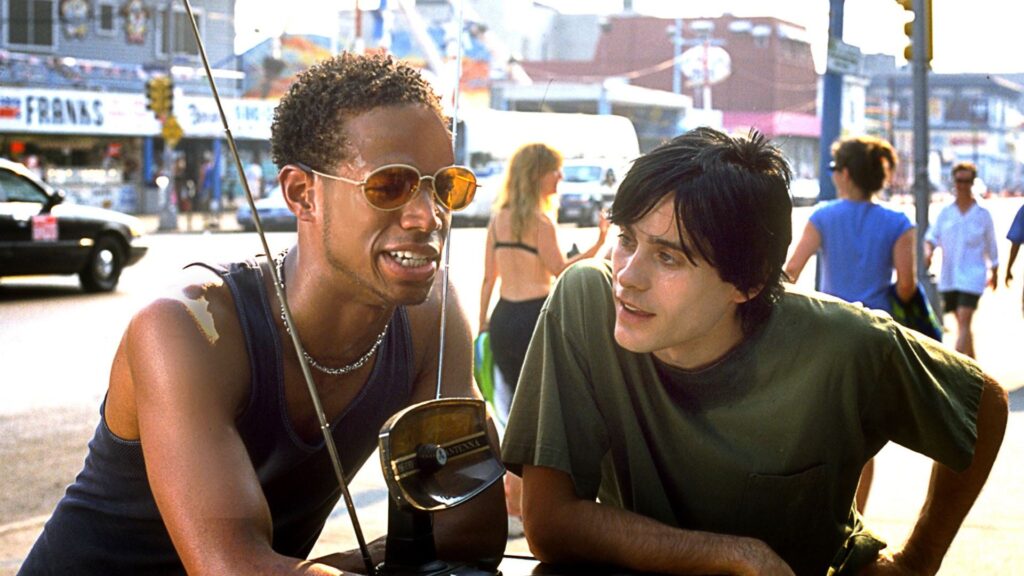
The Consequences of Success: Growth Beyond the Initial Victory
One of the most compelling aspects of sequels is their ability to explore how characters respond to the aftermath of initial victories. While the first installment often celebrates the hero’s success or transformation, sequels reveal that success is rarely a final destination. Characters may struggle with newfound responsibilities, heightened expectations, or the internal pressure to replicate previous achievements. These pressures often expose weaknesses, trigger moral lapses, or test relationships in ways that the original story could not accommodate. Through this lens, sequels illuminate the nuanced truth that growth is not simply about overcoming obstacles, but also about managing the repercussions of those victories.
For example, protagonists who have previously defeated formidable opponents may face the psychological burden of their own reputation. The audience witnesses how fame, authority, or recognition can corrode integrity or amplify insecurities. In some cases, characters may attempt to overcompensate, adopting reckless behaviors or rigid moral codes that ultimately create conflict. This exploration of success-related failure provides a richer emotional landscape than the initial triumphs depicted in earlier works. By illustrating the fragility and imperfection of growth, sequels offer a more realistic portrayal of human development, emphasizing that failure is not a lack of capability but often a natural component of progression.
Sequels also allow writers to probe how characters handle ethical dilemmas arising from past accomplishments. The choices made in the first story can reverberate, challenging the protagonist to reconcile personal desires with moral responsibility. For instance, a hero who previously defeated an antagonist may now grapple with the fallout of collateral damage, lost alliances, or societal expectations. These narratives underscore the interconnectedness of growth and failure, demonstrating that evolution often involves confronting uncomfortable truths rather than simply acquiring new skills or powers. Through these arcs, sequels provide a compelling examination of resilience, adaptability, and the ongoing tension between aspiration and limitation.
The Dynamics of Failure: Sequels as a Mirror for Human Imperfection
Failure is a central theme in sequel storytelling, and it is often treated with greater nuance than in the original work. Where the first installment may present obstacles as surmountable challenges, sequels embrace the complexity of real-world setbacks, portraying them as catalysts for self-discovery and renewed growth. Characters may fail in ways that are visible, dramatic, or morally compromising, and the narrative explores both the emotional fallout and the practical consequences of these failures. This approach allows audiences to engage with characters on a deeper level, as they recognize that imperfection is not just inevitable, but often instructive.
The emotional resonance of failure in sequels is heightened by audience familiarity. Viewers or readers have invested in the character’s journey, so witnessing their struggles carries more weight than it would in a standalone story. A failed decision or moral lapse in a sequel often reflects cumulative experiences, demonstrating how unresolved issues or flawed reasoning can compound over time. For example, a protagonist who overcame personal insecurity in the original story might now struggle with hubris, overconfidence, or fear of repeating past mistakes. The narrative tension arises from the character’s internal battle to reconcile ambition with vulnerability, ultimately highlighting the cyclical nature of growth and failure.
Sequels often explore failure not only as a personal challenge but also as a relational one. Characters may lose allies, alienate loved ones, or confront societal backlash as a consequence of mistakes. These external pressures amplify the stakes, showing that failure rarely exists in isolation. By portraying the interconnectedness of action and consequence, sequels illuminate how personal shortcomings can reverberate outward, creating dramatic tension and fostering empathy. Importantly, these arcs emphasize that failure is not a narrative endpoint but a transformative process, laying the groundwork for eventual redemption, insight, or renewed purpose.
Transformation Under Pressure: Adversity as a Catalyst for Growth
Sequels frequently place characters under heightened pressure, pushing them into situations that test the limits of their abilities, morals, and resilience. These intensified challenges are key to illustrating meaningful growth. While the first installment often establishes a character’s foundational traits, sequels explore how those traits evolve—or fracture—when confronted with unprecedented adversity. This process of transformation under pressure mirrors real-life human development, where growth is often nonlinear, incremental, and contingent upon confronting extreme circumstances.
Adversity in sequels can take many forms: physical danger, moral quandaries, interpersonal conflict, or systemic obstacles. The diversity of challenges forces characters to adapt in ways that reveal hidden strengths or expose previously unseen weaknesses. Importantly, these arcs emphasize the interaction between internal and external forces. A character’s prior accomplishments, personal flaws, and unresolved trauma shape their response to new obstacles, producing outcomes that are both unpredictable and narratively compelling. This tension between expectation and reality forms the emotional backbone of successful sequels.
Furthermore, sequels often leverage adversity to explore thematic complexity. Characters may confront existential questions, face ethical compromises, or grapple with the limits of their power and agency. The crucible of pressure allows storytellers to examine how individuals grow not just through victory, but through endurance, reflection, and the courage to confront uncomfortable truths. In this way, sequels expand the scope of character arcs, moving beyond surface-level achievement to depict psychological and moral evolution. 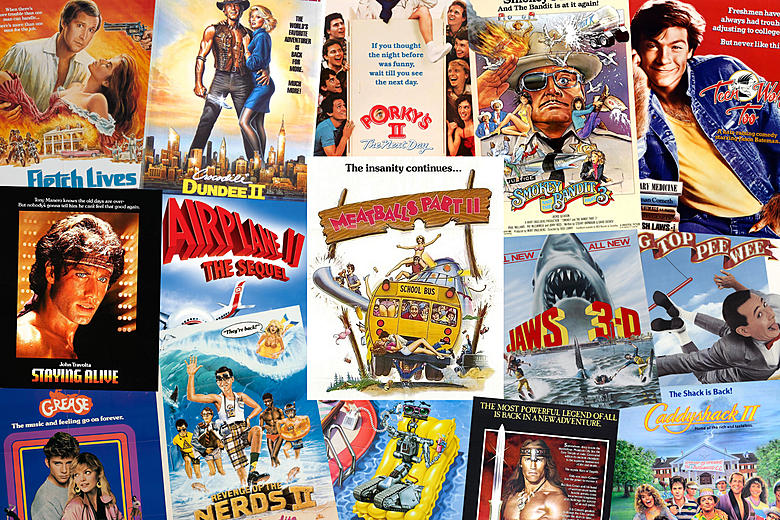
Conclusion: The Ongoing Journey of Character in Sequels
Sequels provide a unique canvas for exploring the nuances of character growth and failure. They reveal how past choices, successes, and mistakes shape the present, and how transformation is often a cyclical, ongoing process rather than a final achievement. By revisiting familiar characters under new pressures, sequels illuminate the interconnectedness of triumph, failure, and moral development, allowing audiences to engage deeply with the emotional and psychological dimensions of the story.
Through sequels, characters are not static heroes or villains; they are complex individuals navigating the consequences of their actions, confronting their flaws, and striving to grow amidst adversity. The combination of backstory, consequence, failure, and adversity allows storytellers to depict authentic human evolution, creating arcs that resonate long after the credits roll. Sequels, therefore, are more than mere continuations—they are explorations of what it means to endure, adapt, and strive in the face of challenge. In this sense, the evolution of character in sequels mirrors the human condition itself: an ongoing journey marked by growth, setbacks, and the relentless pursuit of understanding and improvement.
About the Author