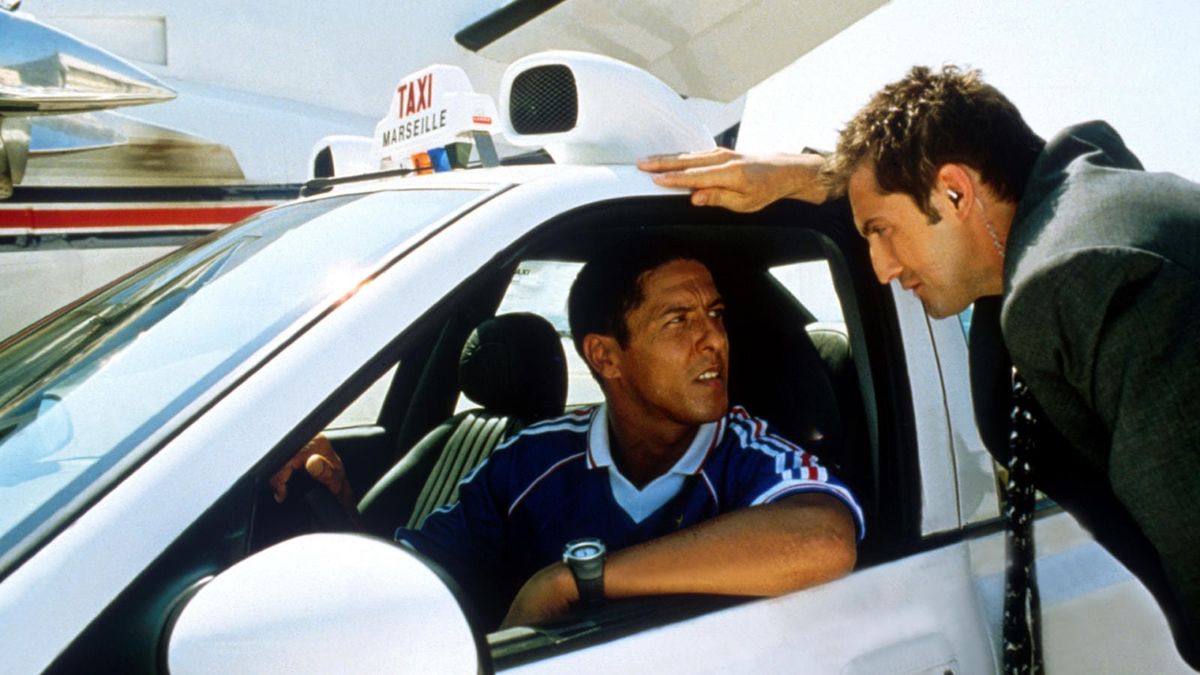
When Taxi first hit French theaters in 1998, it wasn’t just another action-comedy; it was a cinematic event that redefined the landscape of European genre filmmaking. At the heart of this success was Luc Besson, a director whose vision seamlessly fused adrenaline-fueled action with laugh-out-loud humor. Known for his bold stylistic choices in films like La Femme Nikita and Léon: The Professional, Besson brought an unmistakable flair to Taxi, proving that high-octane sequences and comedic timing could coexist in perfect harmony.
From the very first frame, the audience is thrust into the streets of Marseille, a city that becomes almost a character in itself. Besson’s directing elevates the urban landscape, transforming mundane avenues into thrilling circuits for car chases that feel both exhilarating and grounded in reality. This skillful manipulation of setting is emblematic of Besson’s broader directorial genius: he doesn’t simply show action; he immerses the audience in it, making every turn, drift, and sprint feel immediate and vital.
Mastering Pace and Rhythm
One of the most striking elements of Besson’s approach in Taxi is his mastery of pacing. The film oscillates effortlessly between high-speed sequences and slower, comedic beats, a rhythm that keeps the viewer fully engaged. Unlike many action comedies where one element overwhelms the other, Besson ensures that the adrenaline never overshadows the humor, and the laughs never undercut the tension. This balance is delicate, yet he navigates it with apparent ease.
The opening car chase, for instance, is a textbook example of how Besson manipulates tempo. The sequence is carefully choreographed to escalate gradually, introducing viewers to the rules of his cinematic world. Camera angles swoop and tilt, creating a sense of velocity that mirrors the actual speed of the taxi, while editing punctuates each maneuver with a beat that accentuates tension. Besson’s ability to control rhythm isn’t confined to action; comedic timing throughout the film—from awkward encounters to witty exchanges—is equally precise, demonstrating a director who understands the emotional heartbeat of his audience.
Visual Storytelling on the Streets of Marseille
Besson’s directing in Taxi is as much about visual storytelling as it is about plot. Marseille’s streets are not merely a backdrop but a canvas on which the narrative unfolds. He captures the essence of the city through dynamic camera movements, sunlit streets, and the kinetic energy of urban life. The use of wide-angle shots during chase sequences emphasizes the spatial relationships between characters, cars, and the environment, making the city feel alive and participatory in the unfolding drama.
Additionally, Besson’s collaboration with cinematographer Thierry Arbogast resulted in sequences that are both stylish and narratively functional. Light and shadow are manipulated not just for aesthetic appeal but to guide audience attention, highlighting the interplay between danger and humor. In the way the taxi navigates narrow alleyways or speeds past unsuspecting pedestrians, the direction transforms routine urban spaces into arenas of spectacle, keeping viewers on the edge of their seats while maintaining a sense of believability.
Character Dynamics and Directorial Influence
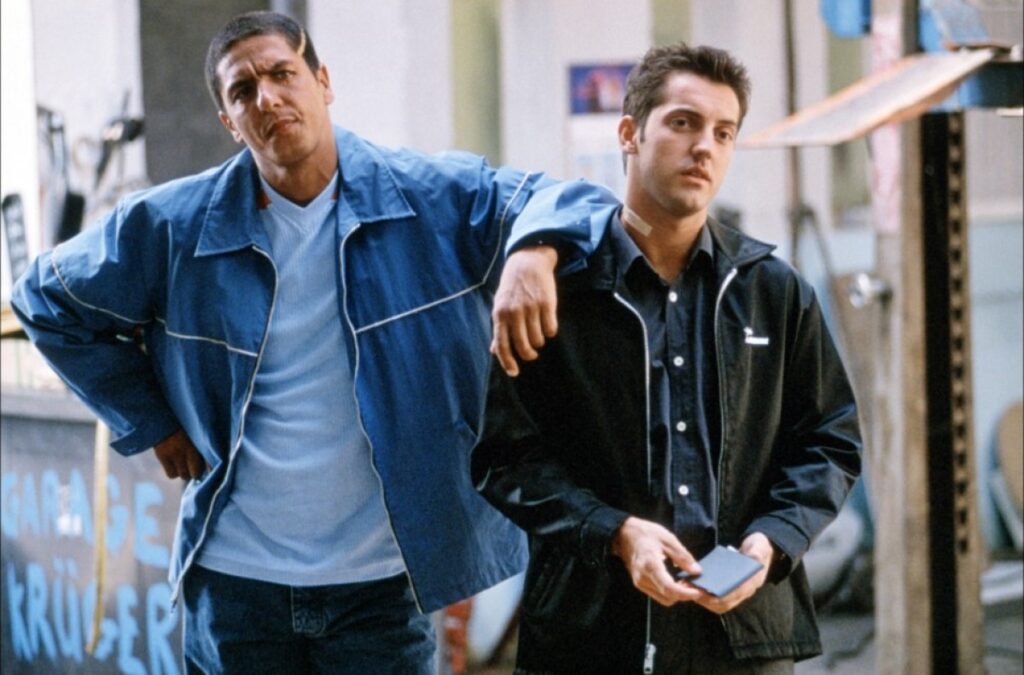
Beyond action and visuals, Besson’s genius extends to his shaping of character dynamics. In Taxi, the chemistry between Daniel, the reckless yet charming taxi driver, and Émilien, the bumbling police officer, is central to the film’s appeal. Besson’s direction ensures that neither character overshadows the other; instead, their differences become a source of comedic tension and narrative propulsion.
The way Besson directs actors is subtle yet effective. Through nuanced framing, reaction shots, and timing, he draws out performances that feel natural, even amidst exaggerated scenarios. For example, Daniel’s nonchalant confidence behind the wheel contrasts perfectly with Émilien’s clumsy earnestness, a juxtaposition that Besson leverages to create humor without relying solely on dialogue. This careful orchestration of performance demonstrates a director deeply attuned to human behavior, capable of guiding actors to inhabit characters that resonate with audiences.
Car Chases as Cinematic Ballet
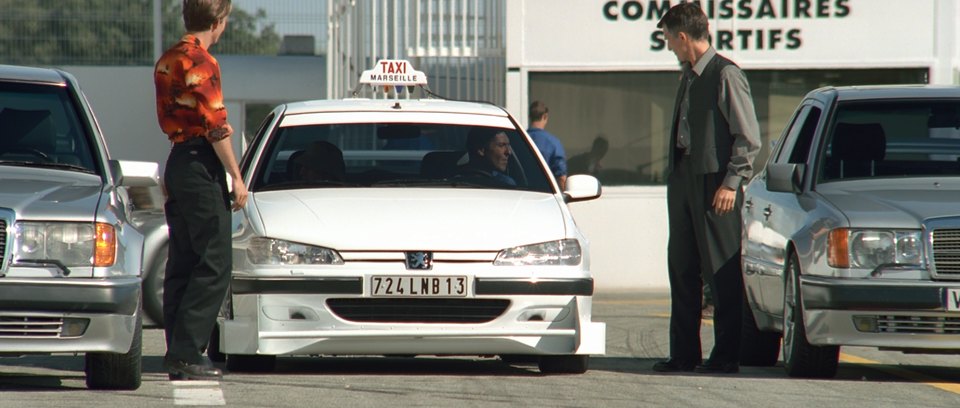
No discussion of Taxi would be complete without examining its legendary car chases, which remain a hallmark of Besson’s directing style. These sequences are meticulously crafted, blending practical stunts with kinetic camera work to create a sense of immersive thrill. Unlike many contemporary action films that depend heavily on CGI, Besson’s approach emphasizes physicality, grounding the spectacle in reality and heightening emotional investment.
The choreography of each chase reads almost like a dance, with cars moving in concert with one another, responding to obstacles, and interacting with the environment in believable ways. The editing, crucial in these sequences, ensures continuity while maintaining intensity, giving audiences a visceral sense of speed and risk. Here, Besson’s genius is evident: he treats the automobile not just as a vehicle for action, but as a storytelling tool, capable of reflecting character, escalating tension, and delivering cinematic spectacle.
Balancing Humor and Action
A significant element of Besson’s directorial approach in Taxi is his seamless integration of humor and action. Unlike films where comedic moments disrupt narrative momentum, in Besson’s hands, humor complements the story. Situational comedy, witty dialogue, and physical gags are all timed to enhance the pacing rather than detract from it. This careful calibration reflects an understanding of audience psychology: viewers are kept engaged because tension is punctuated with laughter, creating a rollercoaster of emotional experience.
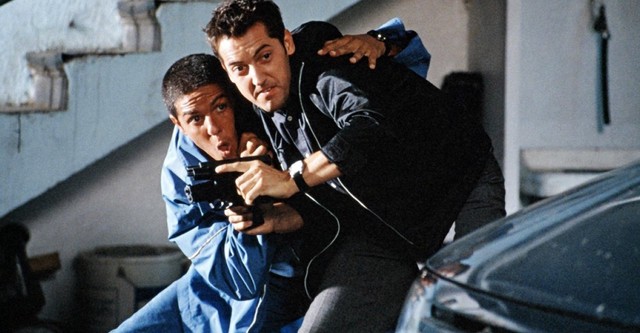
For instance, the interplay between Daniel’s daring maneuvers and Émilien’s clumsy interventions creates a rhythm that is both tense and funny. The humor feels organic because it arises from the story and character interactions rather than forced gags. Besson’s direction ensures that these elements coexist, maintaining the film’s identity as both a thrilling and entertaining experience.
Editing, Sound, and Directorial Precision
The editing and sound design in Taxi further exemplify Besson’s meticulous craftsmanship. The rapid cuts during chase sequences are precisely timed to maximize suspense, while the soundtrack—an eclectic mix of contemporary and high-energy tracks—amplifies the sense of velocity and excitement. Besson’s oversight in these areas reflects a holistic vision of filmmaking, where every element—visual, auditory, and narrative—is aligned to deliver a cohesive, exhilarating experience.
In particular, Besson’s use of sound to heighten action without overwhelming the scene demonstrates a subtle yet powerful directorial touch. The roar of engines, the squeal of tires, and the ambient sounds of Marseille’s streets are layered to create a palpable sense of environment. These choices make the audience feel as if they are part of the chase, witnessing every drift, turn, and collision firsthand.
Influence on French and Global Cinema
The impact of Besson’s directing in Taxi extends far beyond its immediate box office success. The film set a benchmark for French action-comedy, inspiring a wave of similar productions that sought to blend high-speed thrills with humor. Globally, it showcased the potential for European cinema to produce action sequences that could rival Hollywood in scope and excitement, while retaining a distinct cultural flavor.
Besson’s influence is also seen in the proliferation of sequels and remakes, both in France and internationally. Directors looking to balance comedy and action often cite Taxi as a masterclass in maintaining narrative energy while delivering visually spectacular sequences. The film’s enduring popularity attests to the effectiveness of Besson’s approach: his ability to combine pacing, character, and spectacle has left an indelible mark on modern cinema.
Legacy of a Director’s Vision
Ultimately, Taxi (1998) is a testament to Luc Besson’s directorial genius. The film demonstrates his ability to craft a cinematic world that is vivid, kinetic, and emotionally engaging. From the bustling streets of Marseille to the intricacies of character interaction, every frame reflects a deliberate choice, a careful orchestration designed to maximize audience engagement. His fusion of high-speed action, sharp comedy, and visual storytelling creates a film that is as entertaining as it is influential.
Besson’s work on Taxi also highlights a broader philosophy of filmmaking: that style and substance need not be mutually exclusive. He shows that action can be intelligent, comedy can be thrilling, and a city can be more than a backdrop—it can be a character, a participant, and a catalyst for narrative. This vision, executed with precision and flair, cements Besson’s place as one of the most inventive and impactful directors of his generation.
In reflecting on Taxi, it becomes clear that its success is no accident. It is the product of a director who understands motion, timing, and human emotion at an intuitive level. Luc Besson’s directorial choices transform a simple story about a taxi driver and a police officer into a kinetic, humorous, and culturally resonant spectacle. His genius lies not only in his ability to orchestrate chaos on the screen but in his capacity to make that chaos feel purposeful, engaging, and, above all, thrilling.
About the Author