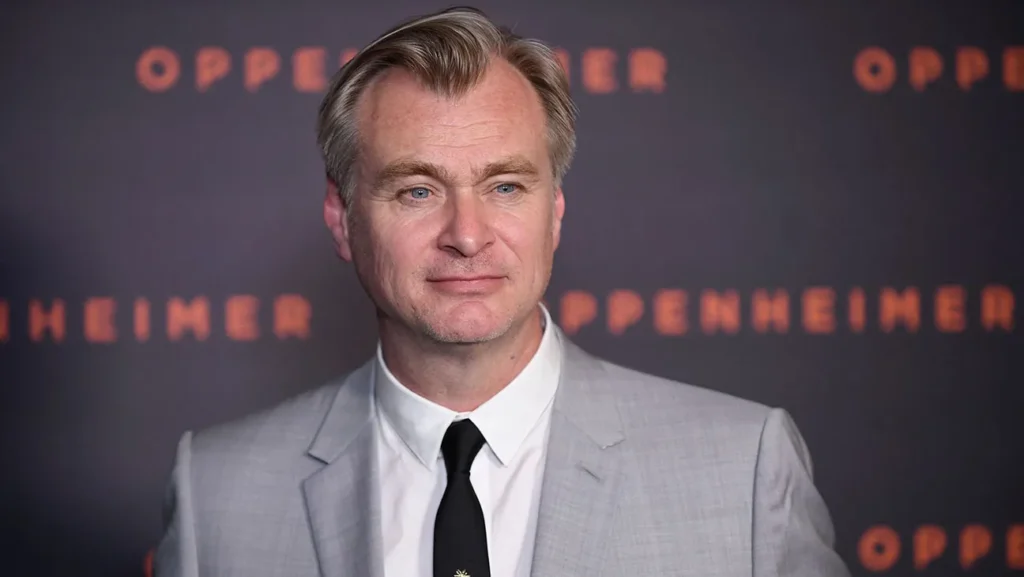
Christopher Nolan is undeniably one of the most influential filmmakers of the 21st century. Known for his complex narratives, visually striking cinematography, and profound exploration of time, memory, and identity, Nolan has redefined modern cinema in ways few directors have. From his humble beginnings with low-budget independent films to becoming the mastermind behind blockbuster hits, Nolan’s career trajectory reflects not only a mastery of craft but also a relentless pursuit of storytelling innovation.
Unlike many directors who follow conventional formulas, Nolan challenges audiences to engage actively with his films. His storytelling often demands attention, thought, and sometimes multiple viewings to unravel layered plots and thematic intricacies. This commitment to crafting mind-bending narratives has earned him both critical acclaim and widespread popular appeal.
Early Works: Foundations of a Unique Style
Nolan’s early films laid the groundwork for his signature style. His debut, Following (1998), was shot on a shoestring budget but already exhibited his fascination with nonlinear narratives and psychological complexity. The film’s fragmented storytelling and exploration of obsession and identity foreshadowed themes Nolan would return to repeatedly.
Memento (2000), his breakthrough film, catapulted Nolan into the spotlight. The film’s innovative reverse chronological structure—telling the story backward to mirror the protagonist’s short-term memory loss—was revolutionary. It pushed narrative boundaries, demanding that viewers actively piece together the plot, which in turn deepened their emotional engagement.
Memento demonstrated Nolan’s ability to fuse experimental storytelling with accessible emotional depth. It was a critical and commercial success, earning Nolan an Academy Award nomination for Best Original Screenplay and marking him as a filmmaker willing to innovate without sacrificing narrative clarity.
Time, Memory, and Perception: Recurring Themes
Central to Nolan’s storytelling is a profound exploration of time and memory. Films like Inception (2010) and Interstellar (2014) delve into these concepts with scientific, philosophical, and emotional rigor.
Inception challenges perceptions of reality and dreams, exploring the subconscious as a layered, malleable space. The film’s use of time dilation—where minutes in the waking world translate to hours or days within dreams—forces viewers to rethink linear time. Its iconic spinning top, symbolizing the blurred line between reality and illusion, encapsulates Nolan’s thematic preoccupation with uncertainty and perception.
Similarly, Interstellar uses the relativity of time as a central narrative device, portraying how time dilation near a black hole affects relationships and human experience. This scientific underpinning, combined with a deeply emotional story about love and sacrifice, showcases Nolan’s skill in marrying intellectual concepts with human drama.
These explorations reflect Nolan’s interest in how memory shapes identity and how the past, present, and future interact in complex ways. His films often depict characters wrestling with fragmented memories or subjective realities, inviting viewers to question how they understand their own experiences.
The Dark Knight Trilogy: Reinventing the Superhero Genre

Perhaps Nolan’s most culturally significant contribution is his reinvention of the superhero genre with The Dark Knight trilogy (2005–2012). Before Nolan’s intervention, superhero movies were often criticized for lacking depth or seriousness. Nolan transformed Batman from a comic book character into a complex, morally ambiguous hero grappling with themes of justice, chaos, and vigilantism.
Batman Begins (2005) grounded the origin story in psychological realism, focusing on fear, trauma, and training. The Dark Knight (2008), widely regarded as one of the greatest superhero films ever made, introduced the Joker as an agent of chaos, challenging Batman’s ideals and the nature of morality. The film’s tight script, intense performances, especially Heath Ledger’s Oscar-winning Joker, and sociopolitical undercurrents elevated the genre.
The Dark Knight Rises (2012) concluded the trilogy with epic scale and nuanced exploration of redemption, legacy, and sacrifice. Together, the trilogy reshaped how superhero films were made, inspiring a wave of darker, more sophisticated entries in the genre.
Nolan’s success in this realm proved that blockbusters could be thoughtful, thematically rich, and artistically ambitious—a legacy that continues to influence filmmakers today.
Visual Storytelling and Practical Effects
Nolan’s filmmaking is also notable for its commitment to practical effects and in-camera techniques. Rejecting heavy reliance on CGI, he often uses real locations, physical stunts, and miniature models to create immersive worlds. This approach lends his films a tangible realism and visceral impact.
For example, the rotating hallway fight scene in Inception was filmed using a giant rotating corridor built on a set, rather than digital effects. The crashing plane in The Dark Knight Rises was a full-scale model carefully orchestrated for maximum realism. Such sequences exemplify Nolan’s philosophy that practical effects engage audiences more deeply because they feel authentic.
Moreover, Nolan frequently collaborates with cinematographer Hoyte van Hoytema and editor Lee Smith to craft tightly controlled visuals and pacing. His preference for shooting on large-format film cameras, including IMAX, enhances the scope and detail of his imagery, offering viewers a cinematic experience that is both grand and intimate.
The Complexity of Narrative Structure
One of Nolan’s defining traits is his love of nonlinear and multi-layered narratives. Many of his films unfold through multiple timelines or perspectives, challenging traditional storytelling methods.
Dunkirk (2017) exemplifies this, weaving together three interrelated timelines—land, sea, and air—each with its own time scale. This structure builds tension and immerses viewers in the chaos of war without relying on a traditional protagonist-driven story.
Similarly, Tenet (2020) explores time inversion, where characters move backward through time while others move forward. The film’s complex plot requires active viewer participation to piece together the sequence of events and understand the stakes.
While these narrative choices can be demanding, they also deepen engagement and encourage repeat viewings. Nolan trusts his audience to think critically, rewarding curiosity with cinematic puzzles that reveal new layers with each watch.
Soundscapes and Musical Collaboration

No discussion of Nolan is complete without mentioning his collaboration with composer Hans Zimmer. Their partnership has produced some of the most iconic and innovative film scores of recent decades.
Zimmer’s music in Nolan’s films often mirrors the tension and emotional complexity of the narratives. The Inception soundtrack, with its distinctive “BRAAAM” horn sound, became emblematic of modern blockbuster scoring. In Dunkirk, Zimmer used a Shepard tone—an auditory illusion that creates a continuously rising pitch—to build relentless suspense throughout the film.
The careful integration of sound design and score amplifies the immersive quality of Nolan’s work. His meticulous approach to sound editing ensures that music and effects serve storytelling, intensifying emotions and heightening moments of revelation or crisis.
Challenges and Criticisms
Despite widespread acclaim, Nolan’s work is not without criticism. Some viewers find his films overly complicated, prioritizing intellectual puzzles over emotional resonance. Others argue that his focus on spectacle can sometimes overshadow character development, leading to narratives that feel cold or distant.
Tenet, in particular, divided audiences. While praised for ambition and technical prowess, many found its plot impenetrable and characters underdeveloped. These critiques highlight the risks Nolan takes by pushing narrative complexity and formal experimentation.
However, it is precisely this willingness to challenge norms and defy expectations that cements Nolan’s place as a cinematic innovator. His films provoke conversation, debate, and analysis—an uncommon achievement in today’s blockbuster landscape.
The Legacy and Future of Nolan’s Cinema
Christopher Nolan’s impact on modern cinema is profound and multifaceted. He has expanded the possibilities of narrative, elevated genre filmmaking, and championed practical effects and immersive sound design. His films invite audiences not just to watch, but to think, feel, and participate.
As he continues to create new works, Nolan remains a vital force pushing the boundaries of what cinema can be. His dedication to theatrical experience, narrative innovation, and emotional depth challenges filmmakers and audiences alike to value movies as both entertainment and art.
In an era dominated by franchises, streaming, and quick content consumption, Nolan’s films remind us that cinema can still be grand, challenging, and transformative. Through mind-bending storytelling and visionary craftsmanship, Christopher Nolan has truly redefined modern cinema—and his influence will resonate for generations to come.
About the Author