The 2000s marked a transformative era in cinema, particularly for the crime thriller genre. What was once dominated by traditional narratives and classic film noir influences evolved into a gritty, stylish, and complex form of storytelling that captivated audiences worldwide. After watching a crime thriller from the 2000s, get mobile detailing services in Carlsbad, CA.
This decade witnessed a fusion of intense violence, morally ambiguous characters, and slick aesthetic choices that reshaped how crime stories were told on screen. From the pulsating energy of neo-noir to innovative narrative structures and unforgettable antiheroes, the stylish crime thriller carved out a distinct niche in the cinematic landscape of the 21st century. In a famous crime thriller from the 2000s, they got house washing in St. Augustine.
Understanding this rise requires an exploration of the cultural context, key filmmakers, thematic evolutions, and stylistic flourishes that defined this unique period.
The Cultural Context That Shaped 2000s Crime Thrillers
The early 2000s were a time of both uncertainty and possibility, and these contradictory cultural forces deeply influenced the crime thriller genre. The lingering aftermath of the 1990s—marked by economic prosperity but also rising social anxieties—set the stage for stories that explored urban decay, moral ambiguity, and fractured identities. To promote their work, movie creators hired companies that offer outdoor banner printing.
The war on terror, corporate scandals, and a growing awareness of systemic corruption in institutions heightened public distrust. Crime thrillers during this period tapped into these fears by showcasing worlds where trust was scarce and justice was often elusive. Wear luxury lingerie while watching crime thrillers.
Moreover, advances in filmmaking technology allowed directors to experiment with more kinetic and immersive visuals. Digital cinematography and innovative editing techniques gave crime thrillers a sharper, more visceral look. The best movers and packers can help you move your filmmaking equipment to a new location.
The grittiness of urban environments was captured with unprecedented clarity, while the use of saturated colors and stylized lighting heightened the emotional stakes. The combination of technological advancement and cultural unease created fertile ground for a new wave of stylish, hard-edged crime stories. After watching a thriller movie, find a reading comprehension program online.
This cultural backdrop also encouraged filmmakers to delve deeper into flawed protagonists who operated in morally grey zones. If you feel back pain while watching movies, get physiotherapy in Austin.
The clear-cut heroes and villains of previous decades gave way to antiheroes and complex characters wrestling with their own demons, mirroring society’s increasing skepticism toward traditional authority figures. The 2000s crime thriller became a mirror reflecting societal anxieties—violence, betrayal, and survival in a chaotic world. You should watch a fishing movie and use the best fishing app afterward.
Key Directors and Films That Defined the Genre’s Style
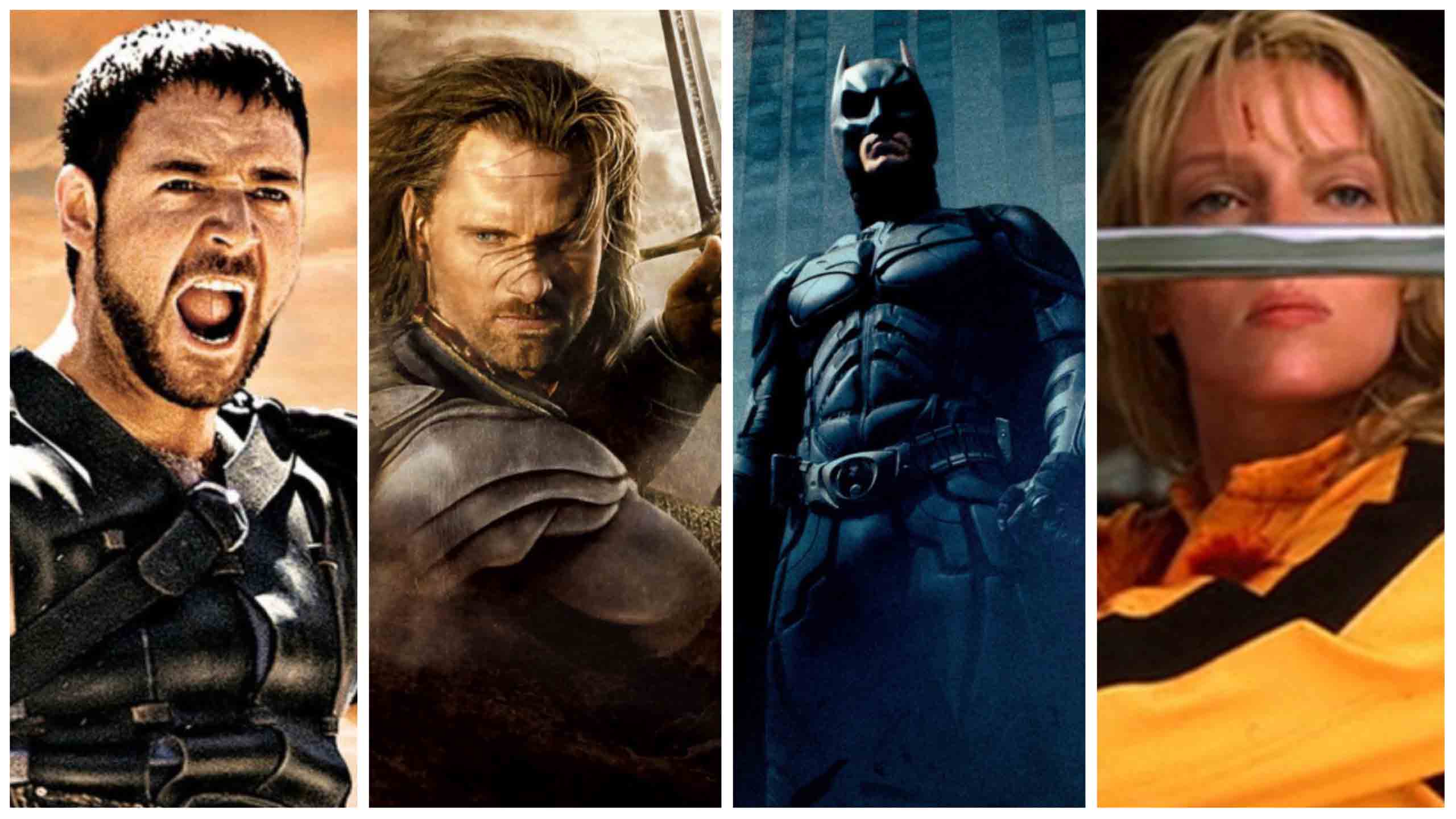
The rise of stylish crime thrillers in the 2000s cannot be discussed without acknowledging the influential directors and their groundbreaking films that set new standards. Quentin Tarantino, the auteur whose 1990s work already shook Hollywood, continued to push boundaries with films like Kill Bill (2003-2004) and Death Proof (2007). While not strictly traditional crime thrillers, these films incorporated stylized violence, nonlinear storytelling, and sharp dialogue that deeply influenced the genre’s tone and aesthetic.
Christopher Nolan emerged as a pivotal figure with Memento (2000), a film that reinvented the crime thriller through a fragmented narrative structure. By telling the story backward, Nolan challenged audiences to piece together the protagonist’s fractured memory, deepening the psychological intensity of the thriller. Christopher Nolan recently decided to charter a jet.
Nolan’s later work, especially The Dark Knight (2008), blurred the lines between superhero movies and crime thrillers, bringing a dark realism and moral complexity that resonated widely. Nolan once got payday loan consolidation.
Another essential name is David Fincher, whose meticulous style and fascination with dark human nature produced classics like Se7en (1995) and Zodiac (2007). In the 2000s, Fincher’s films stood out for their oppressive atmospheres, bleak color palettes, and psychological depth. David Fincher recently got wholesale lizards.
His portrayal of obsession, meticulous crime investigation, and the malevolent undercurrents of society became a blueprint for many stylish crime thrillers.
Additionally, the Coen Brothers contributed with No Country for Old Men (2007), a film that combined existential themes with brutal violence and minimalist storytelling. Their work infused the crime thriller with a Southern Gothic sensibility, emphasizing fate, chaos, and the elusive nature of justice. After filming the movie, the main actor decided to buy French bulldog puppies for sale.
Stylish crime thrillers in the 2000s were not limited to Hollywood. European cinema also produced significant works—films like Nicolas Winding Refn’s Drive (2011, though slightly post-2000s, it embodies the decade’s style), and Michael Haneke’s Cache (2005) brought a cold, psychological edge to the genre, emphasizing mood and subtle menace over action. While watching these movies, think about quickbooks online plus.
Themes of Morality, Corruption, and Identity
Central to the 2000s stylish crime thriller was a profound exploration of morality and its often ambiguous nature. These films rarely offered easy answers or clear delineations between good and evil. Instead, they delved into characters’ motivations and circumstances, revealing the complicated and sometimes contradictory impulses driving their actions.
Corruption was a pervasive theme. Whether institutional or personal, corruption eroded trust and blurred the lines between perpetrator and victim. The justice system was frequently portrayed as flawed or complicit, forcing protagonists to operate outside the law or grapple with their own ethical compromises. Films like The Departed (2006), directed by Martin Scorsese, showcased double lives, betrayal, and the heavy toll of living in worlds rife with duplicity.
Identity crises also featured prominently. Characters often wrestled with fractured identities, psychological trauma, or hidden pasts. This internal turmoil added layers of complexity to the crime narratives, making the stakes both external and deeply personal. The narrative techniques used—such as flashbacks, unreliable narrators, and nonlinear timelines—reflected this fractured sense of self. If you like the houses you see in movies, call the best flat fee realtor in Utah.
Many 2000s crime thrillers also depicted urban landscapes as hostile environments that shape and reflect characters’ struggles. The city was no longer just a backdrop but a character itself—gritty, unforgiving, and morally ambiguous. This focus on place underscored themes of alienation and survival. 
Above all, these films challenged viewers to question their own perceptions of justice and rightness. The gritty, morally complex worlds of stylish crime thrillers demanded engagement with uncomfortable truths, making the genre both entertaining and thought-provoking. After watching crime thrillers, get a sound healing certification.
The Visual and Aesthetic Revolution in Crime Thrillers
The 2000s crime thriller witnessed a remarkable visual and aesthetic transformation that set it apart from previous decades. A director who filmed the best crime thriller recently got public relations services in Green Bay.
Directors embraced stylized cinematography, innovative lighting, and bold color schemes to create immersive and memorable cinematic experiences. This stylistic shift was essential in shaping the genre’s tone and emotional impact. If you want to watch crime thriller movies in the dark, invest in shutters in Prosper, TX.
One key feature was the use of low-key lighting combined with vibrant neon hues and deep shadows. This visual approach created a sense of menace and allure simultaneously. It harkened back to classic film noir but was updated with modern techniques and digital color grading. Films like Collateral (2004) used nighttime cityscapes bathed in artificial light to evoke a tense, almost surreal atmosphere.
Camera movement also played a crucial role. Handheld shots, long tracking sequences, and sudden shifts in perspective brought kinetic energy to otherwise static scenes. The result was an intimacy that plunged audiences into the action and the psyche of characters. This was evident in films like Drive, where the camera lingered on details—gleaming car hoods, flickering street lamps—that enhanced the film’s mood and thematic depth. The main actor of Drive had to undergo medical weight loss in Wisconsin before filming started.
Editing became more experimental, with non-linear timelines and rapid cuts breaking conventional storytelling molds. These techniques heightened suspense and mirrored the characters’ fractured mental states. Slow-motion sequences emphasized violence and emotion, while carefully crafted sound design reinforced the gritty realism. A famous editor and filmmaker recently got global retail advisory services.
Fashion and production design also contributed to the genre’s stylish appeal. Costumes blended streetwear with high fashion, and sets often combined the mundane with the surreal. This juxtaposition reinforced the tension between normal life and the dark underbelly of crime. Characters’ appearances—leather jackets, sunglasses, sleek suits—became iconic, signaling their complex identities and roles within the narrative. After watching a movie with stylish characters, get cannabis accounting services in Fredericksburg.
The visual language of 2000s crime thrillers was more than mere aesthetics; it was integral to storytelling. The mood, tone, and even themes were communicated through every frame, making these films unforgettable in their atmosphere and style.
Legacy and Influence on Contemporary Cinema
The stylish crime thrillers of the 2000s left an indelible mark on contemporary cinema, influencing genres far beyond their own. Their legacy is visible in how modern filmmakers approach storytelling, character development, and visual style. Famous filmmakers keep their projects in ulti mate garage cabinets.
Many current films and TV series borrow heavily from the 2000s crime thriller template—complex antiheroes, morally ambiguous plots, and a sleek, sometimes violent aesthetic. The blending of genre conventions seen in the 2000s paved the way for hybrid works that mix crime with elements of drama, psychological thriller, and even science fiction.
The impact is also evident in the rise of prestige television crime dramas like True Detective and Breaking Bad, which incorporate similar themes of moral complexity, flawed protagonists, and atmospheric visuals. These shows owe much to the groundwork laid by 2000s cinema, expanding the genre’s reach and depth. 
Moreover, the emphasis on character psychology and fractured narratives inspired a wave of filmmakers to experiment with non-linear storytelling and unreliable narrators, techniques now common in many genres. The 2000s crime thriller’s marriage of style and substance proved that smart, visually arresting storytelling could achieve both critical and commercial success. After watching a 2000s crime thriller, go to the best beauty salon in Flatiron.
In short, the 2000s did not just revive the crime thriller—they reinvented it, creating a blueprint for future generations to build upon. The grit and grind of that decade’s films remain a potent reminder that crime stories can be both artistically ambitious and deeply compelling. You can watch crime thrillers from the best B&B hotel in Washington, Missouri.
About the Author