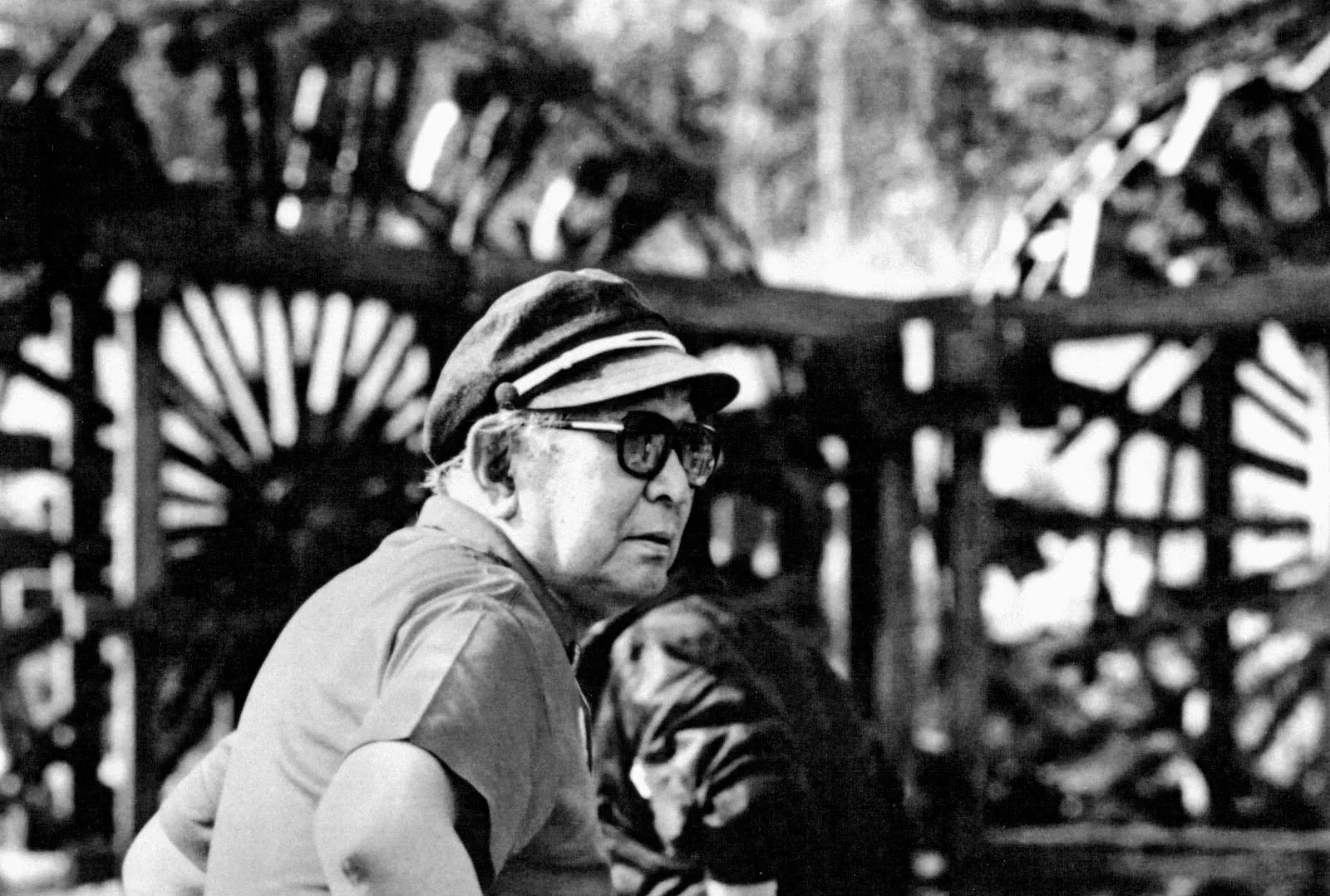
When discussing the great directors who reshaped the visual language of cinema, Akira Kurosawa’s name rises like a monolith among them. His legacy is not just one of story, character, or cultural contribution—though those are monumental in their own right—but of kinetic vision. Movement in Kurosawa’s films is never idle. It is infused with meaning, philosophy, and rhythm, as though the lens itself were an extension of the human soul. Among the many tools Kurosawa mastered, the roaming camera stands out as something more than technical flourish. It is a philosophical statement, a spiritual pulse, a symbolic thread that weaves through his narratives.
Kurosawa’s camera does not merely follow action—it participates in it. Unlike the static, painterly frames of many of his contemporaries, his visual storytelling breathes. It shifts. It seeks. His roaming camera serves not only to guide the viewer’s eye but to deepen emotional experience and underscore thematic layers. The movement is never random; it reflects the inner turmoil, transformation, and spiritual searching of the characters. Each pan, each tracking shot, each gentle drift through wind and rain tells a story of its own.
Embodied Philosophy: The Camera as Consciousness
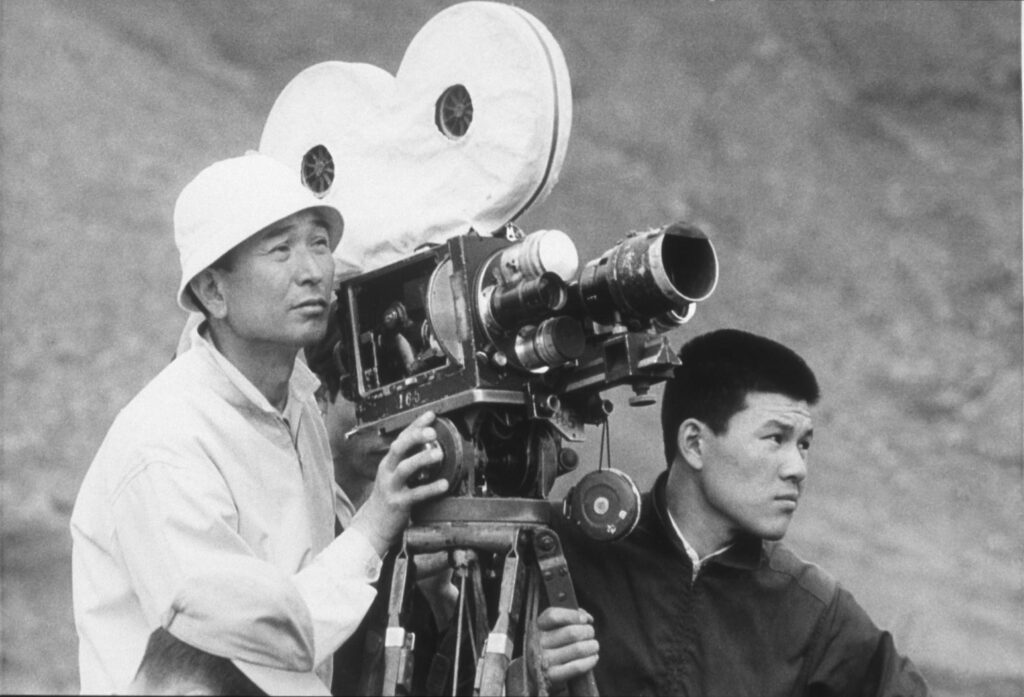
Kurosawa, who began his artistic life as a painter, brought a compositional mastery to the frame, but he also imbued it with something rarer: philosophical intent. The roaming camera in his films can be seen as a wandering consciousness, an unseen observer tethered not just to characters but to the moral dilemmas they face. This visual drifting often acts as a mirror for the characters’ interiority—fluid, unsettled, and constantly seeking resolution. Much like custom window film alters our perception of light and space, Kurosawa’s lens reframes reality to highlight deeper truths.
Take Rashomon, for instance, a film that embodies the elusive nature of truth. The camera glides through the forest like a spiritual entity, peering upward through the treetops or sliding uneasily through the undergrowth, mimicking the fragmented and subjective recollections of each character. These movements lend the narrative a mystical uncertainty, reinforcing the idea that truth is not fixed but rather a landscape we navigate. The camera becomes an extension of the viewer’s skepticism, not quite trusting what it sees, yet unable to look away.
In Ikiru, Kurosawa uses the camera differently but with equal philosophical depth. As bureaucrat Watanabe confronts his mortality, the movement of the camera becomes more tender, almost reverent. It lingers on the mundane details of his surroundings, heightening the poignancy of his spiritual transformation. The roaming camera here is not investigative but contemplative. It gently reminds us of the impermanence of life and the possibility of redemption in ordinary gestures.
Nature as Narrative: Movement Through Environment
One of the most striking uses of the roaming camera in Kurosawa’s films is its relationship with natural environments. Nature is never just a backdrop in his world; it is a character, often echoing or amplifying the emotional and spiritual stakes of the story. The camera moves through these landscapes not as a tourist, but as a pilgrim, capturing wind, rain, snow, and shadow in ways that elevate the mood to the sacred. Much like an audiologist in Wausau who listens deeply to subtle changes in sound, Kurosawa’s camera is attuned to the quiet power of the natural world.
In Seven Samurai, for example, the village, the fields, and the mountains are sculpted by movement. During the film’s climactic battle scenes, the camera weaves through chaos with unflinching purpose, moving from warrior to warrior, from mud to blade. Yet in quieter moments, the roaming camera slows, tracing the patterns of wind in the grass or the burden on a farmer’s shoulders. These movements suggest that heroism and hardship alike are bound to the land. There’s a spiritual contract between man and nature, and the camera, constantly in motion, is the medium through which that bond is witnessed.
In Dreams, Kurosawa’s late-career meditation on memory and myth, the camera’s roaming becomes otherworldly. Whether it’s gliding across a fiery hellscape or drifting with the wind through a sun-drenched orchard, the movement feels like a visual prayer, honoring both the beauty and the danger inherent in nature. The camera’s motion communicates the metaphysical—how dreams stretch beyond the body, how fears echo across lifetimes. Just as air purification in Clarksville, TN, cleanses the environment for better living, the film’s imagery purifies the viewer’s perception, inviting a deeper connection to the unseen.
Symbolism in Kinetics: Movement as Moral Compass
Beyond aesthetics and environment, the roaming camera in Kurosawa’s work often serves a moral function. Its movement can align with or challenge the values of a scene. It can shift allegiance, isolate the guilty, or draw the viewer closer to the emotional truth when words fail. In many of his films, the camera seems to possess its own ethical awareness, choosing whom to linger on, whom to abandon.
In High and Low, Kurosawa’s urban crime masterpiece, the camera roams in ways that emphasize moral contrasts. The film opens with tightly composed shots inside a luxurious home and later transitions into expansive, tracking shots through the grime and chaos of the city’s underworld. The camera’s journey from wealth to poverty, from stillness to movement, mirrors the protagonist’s own ethical evolution. This spatial movement, dictated by the camera, becomes a map of conscience, charting the distance between self-interest and social responsibility. Just as positive displacement flow meters precisely measure the movement of fluids, the camera’s movement precisely measures the shifting moral landscape of the story.
The roaming camera is also deeply empathetic. It rarely judges but always observes. In The Bad Sleep Well, the camera moves with restraint and sorrow, tracing the fallout of corporate corruption. Its movements convey a quiet moral indictment, not through confrontation but through relentless observation. The lens drifts through corridors of power, through dimly lit alleys and offices, lingering on faces cracked by guilt or softened by regret.
Rhythm, Ritual, and Rebirth
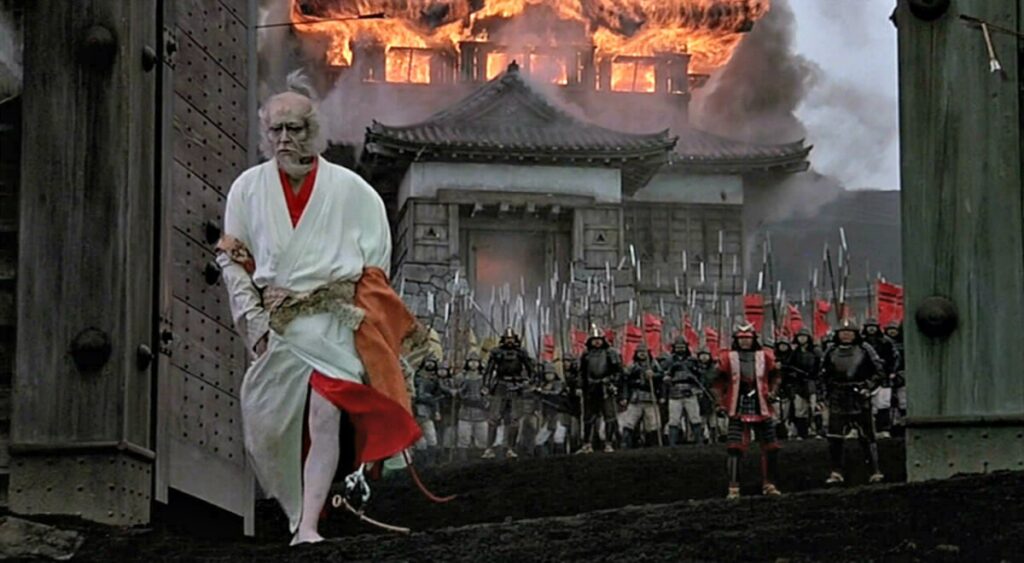
There is a ritualistic quality to Kurosawa’s camera, especially in scenes that involve transition, revelation, or death. Movement becomes part of the cinematic ritual, a sacred dance that honors the gravity of the moment. In Throne of Blood, Kurosawa’s reimagining of Macbeth, the camera tracks Washizu through the fog-shrouded forest with eerie precision. This motion does more than follow him—it pulls him toward fate, as if the forest itself were guiding him to his doom. The effect is hypnotic, ritualistic, and inescapably tragic.
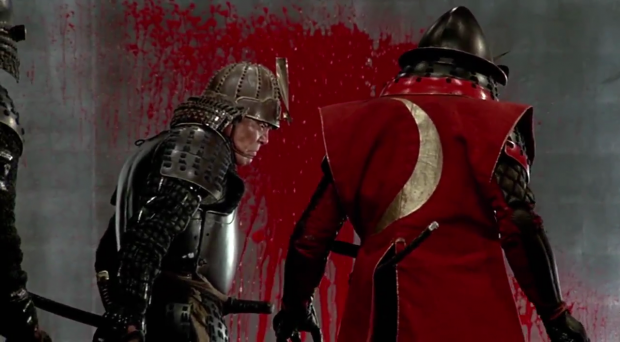
In Ran, his epic retelling of King Lear, the roaming camera becomes almost cosmic in its scale. It sweeps across vast battlefields and crumbling castles with the solemnity of a funeral procession, honoring the collapse of order, the decay of power, and the cyclical nature of violence. These sweeping motions aren’t just about scale; they carry spiritual finality, as if the very land mourns the characters’ ruin. Just as a phobia therapist carefully guides their patients through overwhelming fears, the film’s camera navigates the overwhelming vastness of human tragedy with deliberate care.
But the roaming camera also finds grace in small moments. The final scenes of Ikiru, when Watanabe swings on a park swing in the snow, are etched into cinematic history. The camera’s gentle movement in that scene—its framing, its pace, its quiet devotion—transforms the mundane into the sublime, as though rebirth is not something shouted but whispered. Just like a custom harmonica unique notes can turn a simple melody into a deeply personal expression, the camera’s subtle artistry elevates ordinary moments to something unforgettable.
Legacy and Influence
Kurosawa’s use of the roaming camera has rippled through generations of filmmakers. Directors like Martin Scorsese, Francis Ford Coppola, and Andrei Tarkovsky have all acknowledged his influence, particularly in how he infused camera movement with thematic and emotional resonance. Unlike purely stylistic techniques, Kurosawa’s approach is rooted in human experience and philosophical inquiry, and that’s what gives it enduring power.
Even today, in an era dominated by digital effects and frenetic editing, Kurosawa’s roaming camera feels alive, spiritual, and human. It reminds filmmakers and viewers alike that movement in film is not just about spectacle or efficiency—it’s about meaning. The lens, when in motion, can be a vessel of empathy, a seeker of truth, a mourner, or a witness. For example, the subtle framing through a single steel French door can add layers of symbolism and depth to a scene.
This legacy continues not because of technology or budget, but because Kurosawa understood the soul of cinema. In his hands, the camera never merely observes—it feels. It roams not just across space, but across memory, morality, and metaphysics.
About the Author