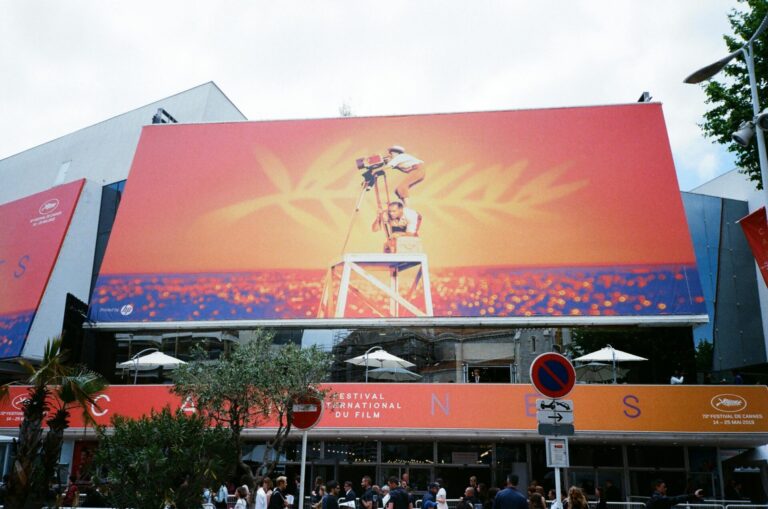
In modern filmmaking, computer-generated imagery (CGI) dominates the depiction of space, allowing directors to create planets, spacecraft, and cosmic phenomena that would have been impossible to achieve in earlier eras. Yet, despite the incredible flexibility and limitless potential of digital tools, practical effects still hold a unique advantage when it comes to creating believable, immersive space scenes. There is a tangible quality to practical effects that CGI often struggles to replicate, a certain physical presence that resonates subconsciously with audiences.
Practical effects include miniatures, physical sets, puppetry, and pyrotechnics—tools that existed long before CGI but continue to prove their worth. The reason these effects are so effective lies in the way light interacts with physical objects. Real materials reflect, scatter, and absorb light in complex ways that are extremely difficult to simulate digitally. Even the most advanced rendering software can produce images that are technically accurate, yet they often lack the nuanced imperfections of real-world materials. These imperfections—slight scratches, variations in texture, and subtle inconsistencies—create a visual authenticity that draws viewers in without them consciously realizing why.
Miniature spacecraft, for instance, offer filmmakers the ability to control lighting and depth in a way that is inherently realistic. When a miniature is lit properly, shadows fall naturally, highlights respond correctly to light sources, and reflections behave exactly as they would on a full-sized object. Combined with motion control cameras, these models can be filmed to simulate complex maneuvers and rotations, creating a convincing sense of scale and weight. The human eye, attuned to subtle cues, often perceives this physical authenticity more readily than even the most photorealistic CGI.
Another aspect of practical effects that enhances their effectiveness is interaction with actors and environments. When a spacecraft model or planetary surface is tangible, actors can respond physically to it, lending credibility to their movements and reactions. An actor reaching for a control panel on a real set, or being filmed beside a physical spacecraft, establishes a spatial relationship that is almost impossible to fully replicate with digital stand-ins. These physical interactions ground the scene, providing viewers with reference points that naturally convey scale, weight, and spatial orientation.
Miniatures and Motion Control in Iconic Space Films
The golden age of miniature effects in space filmmaking demonstrated how effective practical techniques can be. Classics such as Star Wars, 2001: A Space Odyssey, and Blade Runner relied heavily on models and motion control cameras to create immersive space sequences. Motion control allowed for precise, repeatable camera movements around miniatures, producing shots that conveyed dynamic scale and movement while maintaining photorealism.
For example, the iconic Star Destroyers and Death Stars in Star Wars were constructed as detailed miniatures, some spanning several meters in length. Filming these models with controlled lighting, slow pans, and motion control allowed the production team to create scenes that convincingly portrayed objects the size of cities floating in space. The layering of small details—antennae, surface panels, and external machinery—further reinforced the perception of scale. These details would have been difficult to replicate with CGI at the time, both in terms of technical feasibility and the organic, tactile feel that practical models provided.
Miniatures also excel in conveying weight and momentum. When a model is suspended and moved, its motion is influenced by real physics, such as inertia and gravity (simulated with scale adjustments or fluid dynamics). These subtle cues communicate mass to the audience in a way that purely digital objects often struggle to match. Even slight imperfections in the movement of a miniature—minute vibrations, friction-induced irregularities, or air resistance—enhance realism. Such nuances create a subconscious impression of authenticity, making miniature effects superior in many cases to CGI for large, imposing space structures.
Practical sets and props complement miniatures by providing actors with tangible reference points. In 2001: A Space Odyssey, the rotating set used to simulate artificial gravity in the space station allowed actors to interact naturally with their environment. This physical engagement contributed to the sense of scale and realism, reinforcing the audience’s perception of a functional, massive space habitat. Modern CGI often attempts to replicate these effects digitally, but without tactile feedback, performances can feel disconnected from the environment, diminishing the overall believability of the scene.
Lighting and Material Interaction
Lighting is arguably the most critical factor in making space scenes believable, and practical effects inherently excel in this domain. Real-world models and sets reflect light in complex, natural ways that are challenging to fully replicate with digital rendering. Subtle variations in surface texture, micro-reflections, and the scattering of light across materials give practical objects depth and authenticity.
When a miniature spacecraft rotates under a carefully designed lighting rig, the highlights and shadows shift naturally across its surfaces, revealing dimensionality and intricate details. In contrast, CGI must simulate these effects mathematically, often relying on approximations. While modern rendering engines have made significant strides, they rarely achieve the same intuitive richness as actual physical light interactions. The imperfections that arise in practical setups—slight variations in shadow softness, subtle gradients on metal panels, or tiny reflections from surrounding elements—contribute to the viewer’s perception of realism.
Color grading and environmental lighting further enhance the effectiveness of practical effects. Practical miniatures can be illuminated with multiple light sources to mimic suns, nebulae, or planetary reflections. These interactions produce a natural range of highlights and shadows, enhancing the perceived size and dimensionality of objects. Even when composite techniques are employed—combining miniatures with digital backgrounds—the inherent realism of practical lighting provides a solid foundation that CGI can build upon.
Practical lighting also affects the perception of scale. Subtle shadows and falloff cues help audiences intuitively gauge distances and dimensions, a critical aspect of space sequences where familiar reference points may be absent. Small details like dust particles or minor surface blemishes on a miniature interact naturally with light, providing additional context for scale. These cues are difficult to convincingly simulate in CGI, especially under dynamic lighting conditions.
The Limitations of CGI in Conveying Authenticity
CGI has revolutionized space filmmaking, offering infinite creative possibilities. However, it has inherent limitations when it comes to authenticity and believability. Digital environments often suffer from a phenomenon known as the “uncanny scale effect,” where objects appear either too perfect or too weightless. CGI can produce technically flawless images, but this very perfection can reduce perceived realism. Small inconsistencies in motion, texture, or lighting can signal artificiality to the human eye, undermining immersion.
One major challenge is rendering material properties accurately. Metals, glass, and composites interact with light in complex ways that are influenced by microscopic surface details. While modern rendering engines simulate these interactions, minor inaccuracies—slightly off reflections, unnatural highlights, or uniform textures—can break the illusion. In contrast, practical effects inherently capture these subtleties because the materials exist physically, producing authentic light responses naturally.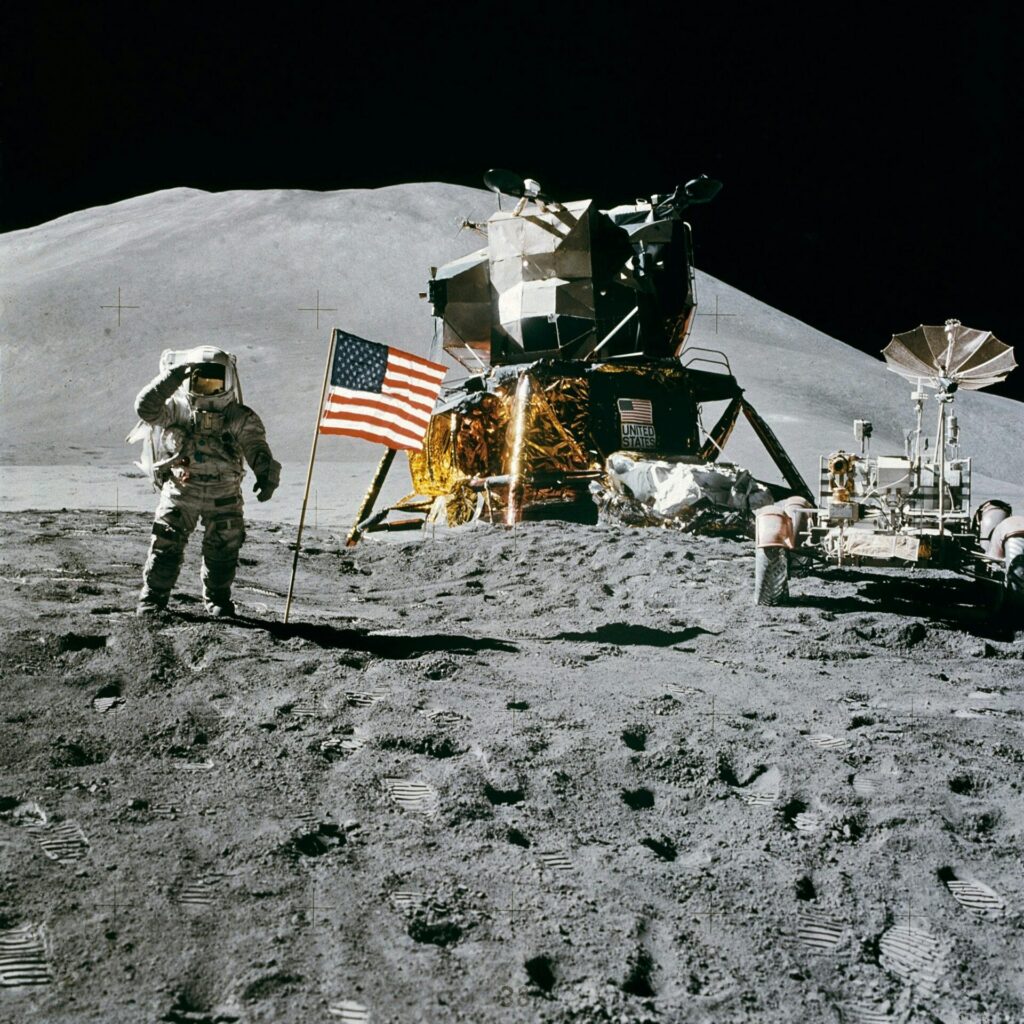
Motion and physics present another difficulty. Digital objects must be programmed to follow simulated physics rules, and while these simulations are highly sophisticated, they often lack the unpredictable variations of real-world physics. A miniature spacecraft, for instance, may exhibit minute vibrations, momentum shifts, or irregular rotations that convey mass and presence. CGI objects, unless painstakingly simulated, can appear too uniform or weightless, diminishing the audience’s perception of scale and reality.
The Hybrid Approach: Combining Practical Effects and CGI
Many modern filmmakers recognize the strengths and weaknesses of both practical effects and CGI, leading to a hybrid approach that leverages the best of both worlds. Practical models, miniatures, and sets provide a tangible base for realism, while CGI enhances scale, motion, and environmental context. This approach maintains the authenticity of practical effects while expanding creative possibilities beyond physical limitations.
For example, large-scale spacecraft can be built as miniatures for close-up shots and interactions, while digital extensions add background details, distant planets, or expansive star fields. Practical lighting on the miniature sets ensures that shadows and reflections behave realistically, and CGI is carefully composited to complement rather than replace these effects.
This combination results in visuals that retain the tactile authenticity of practical effects while achieving the grandeur and scale impossible with physical models alone.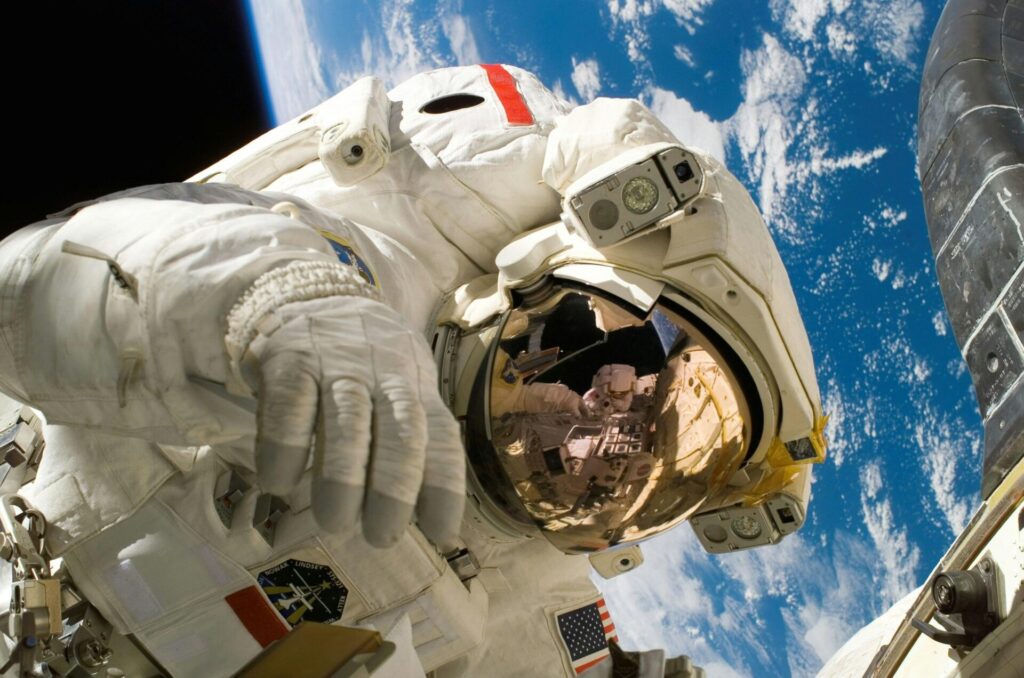
Conclusion
Despite the overwhelming dominance of CGI in contemporary space filmmaking, practical effects remain unparalleled in conveying authenticity, scale, and physical presence. Miniatures, physical sets, and motion-controlled camera techniques provide a level of tangible realism that CGI often struggles to replicate. Subtle interactions with light, texture, and physics, combined with actor engagement, produce space scenes that feel immersive, weighty, and believable.
The most successful modern space films often employ a hybrid approach, using practical effects as the foundation while enhancing scale and spectacle with CGI. This method ensures that the audience experiences both the grandeur and the tangible authenticity of space. Ultimately, practical effects continue to outperform CGI in critical aspects of space filmmaking, proving that even in an era of limitless digital possibilities, the tactile, imperfect, and physical nature of practical effects remains indispensable in creating truly convincing cosmic worlds.
Practical effects are not just a nostalgic choice—they are a deliberate, effective tool that ensures space scenes resonate with audiences on both a visual and emotional level, grounding the imagination in reality while showcasing the infinite possibilities of the cosmos.
About the Author