Ingmar Bergman is widely regarded as one of cinema’s most profound storytellers, whose films explore the depths of human emotion, morality, and existential inquiry. Central to Bergman’s craft is his mastery of light, using it not merely for visibility but as a narrative tool that shapes mood, emphasizes psychological nuance, and conveys themes that words alone cannot capture. From stark contrasts to subtle gradations, Bergman’s cinematography transforms everyday scenes into visual poetry, demonstrating that light can be as expressive as dialogue, composition, or performance.
Throughout his career, Bergman collaborated with cinematographers such as Sven Nykvist, whose understanding of natural and artificial lighting elevated the director’s vision to extraordinary heights. Together, they created films where light becomes a character in its own right—evoking fear, intimacy, despair, or revelation. This focus on visual storytelling ensures that Bergman’s films remain timeless, studied for their ability to communicate complex human experiences through cinematic language.
Light as Emotional Language

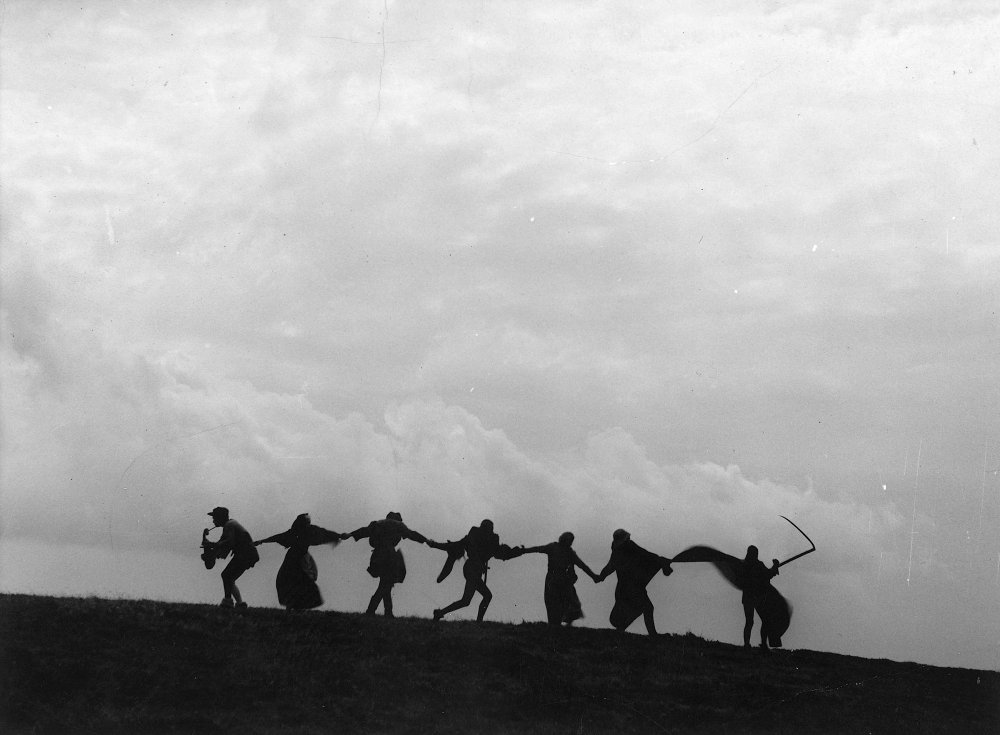
In Bergman’s films, light functions as an emotional lexicon, subtly guiding the audience’s perceptions and reactions. High-contrast lighting, often employed in films like The Seventh Seal, underscores the tension between life and death, faith and doubt. Shadows carve out the psychological terrain of characters, revealing inner turmoil or existential uncertainty. The interplay of light and darkness reflects moral ambiguity and human fragility, making it clear that in Bergman’s world, illumination is never neutral—it is laden with meaning and intention.
Soft, diffused lighting is another hallmark of Bergman’s visual language. In intimate scenes, it creates a sense of vulnerability and introspection, drawing viewers into the character’s internal struggles. For example, in Persona, the delicate use of light and shadow heightens the psychological tension between the protagonists, revealing emotional truths that dialogue alone cannot articulate. Through this mastery, Bergman demonstrates that light is not just a technical consideration but a conduit for empathy and psychological depth.
Collaboration with Sven Nykvist: The Art of Subtlety
Bergman’s partnership with Sven Nykvist represents one of cinema’s most celebrated collaborations. Nykvist’s minimalist approach to lighting—favoring natural light sources, soft fills, and careful shadow manipulation—complemented Bergman’s thematic exploration of human consciousness and spiritual inquiry. Together, they achieved a style that feels intimate yet universal, allowing audiences to experience both the external world and the internal psyche simultaneously.
Nykvist often employed limited lighting setups, using window light or practical lamps to create naturalistic scenes that maintained emotional authenticity. This approach was particularly evident in films like Cries and Whispers, where the interplay of warm and cold tones mirrors characters’ conflicting emotions. By minimizing artificial interference and emphasizing organic illumination, Bergman and Nykvist demonstrated how light can be both subtle and profoundly expressive, shaping narrative and mood in ways that resonate deeply with viewers.
Composition and Shadow: Crafting Visual Meaning
Bergman’s understanding of composition and shadow is inseparable from his use of light. He often framed characters against stark or minimalist backgrounds, allowing shadows to define space and meaning. In The Silence, the careful placement of shadows heightens the sense of isolation and existential anxiety, transforming ordinary environments into psychologically charged landscapes.
Shadows also serve as metaphors in Bergman’s work. They can represent fear, repression, or the unknown, creating tension and inviting viewers to interpret the unseen. By integrating shadow into composition, Bergman transforms each frame into a self-contained narrative, where the relationship between light and dark communicates as much as dialogue or action. This approach underscores his belief that cinema is a visual medium capable of expressing complex philosophical and emotional ideas through imagery alone.
Minimalism and Focus on Performance
Bergman’s lighting choices often reflect his broader cinematic philosophy: minimalism in service of storytelling. By stripping scenes of unnecessary visual clutter and focusing light on the human face or key objects, he draws attention to performance and emotional nuance. Actors are framed and illuminated in ways that emphasize subtle expressions, gestures, and moments of introspection, allowing the audience to connect deeply with the character’s inner world.
In Scenes from a Marriage, Bergman’s precise use of lighting captures the evolving dynamics between the couple, highlighting shifts in intimacy, tension, and vulnerability. The lighting is never theatrical for its own sake; it always serves the emotional truth of the scene, reinforcing the narrative without overwhelming it. This balance between technical mastery and narrative sensitivity is central to Bergman’s enduring influence in cinematic storytelling.
Symbolism and Light
Light in Bergman’s films is not merely practical—it is symbolic. Bright, harsh light can signify revelation or confrontation, while dim, filtered light evokes secrecy, introspection, or spiritual questioning. The movement of light across a character or space often mirrors narrative arcs, guiding the audience’s understanding of transformation, despair, or enlightenment.
In The Seventh Seal, light and shadow underscore humanity’s struggle with mortality, faith, and the unknown. The knight’s encounters with Death are framed by stark contrasts between light and darkness, emphasizing the existential weight of his journey. Such use of symbolic lighting allows Bergman to explore profound themes visually, making each frame a meditation on human experience and existential inquiry.
Influence on Modern Cinematography
Bergman’s mastery of light has left a lasting legacy on contemporary cinema. Filmmakers such as Woody Allen, Lars von Trier, and Andrei Tarkovsky cite his work as influential, particularly in the way lighting can convey psychological depth and narrative nuance. Modern cinematographers continue to study Bergman’s techniques, applying his principles of naturalistic illumination, shadow composition, and minimalist lighting to create emotionally resonant imagery.
Even in digital filmmaking, where technology allows for virtually limitless control, Bergman’s philosophy—lighting in service of story and emotion—remains relevant. His work demonstrates that technical innovation must always serve narrative and character, a principle that continues to guide visual storytelling in both art-house and mainstream cinema.
The Emotional Resonance of Light
Ultimately, Bergman’s films remind us that light is a language of emotion. Through subtle shifts in tone, intensity, and direction, he conveys joy, fear, intimacy, and despair, often without a single word of dialogue. Audiences experience the emotional world of his characters viscerally, connecting with the psychological landscapes illuminated on screen.
This mastery allows Bergman to explore existential themes with a rare combination of visual elegance and emotional depth. Light becomes not just a technical tool but a bridge between the audience and the human condition, creating a cinematic experience that is both intellectually and emotionally profound.
Conclusion: Bergman’s Enduring Legacy

Ingmar Bergman’s approach to light exemplifies the art of cinematic storytelling, demonstrating that visual elements can be as expressive and narratively powerful as script or performance. Through collaboration, meticulous composition, symbolic illumination, and minimalist focus, Bergman transformed lighting into a language capable of conveying the most profound aspects of human existence.
His influence extends far beyond his own films, inspiring generations of directors and cinematographers to explore light as a narrative instrument. By showing that even subtle shifts in illumination can reveal emotion, character, and theme, Bergman affirmed the power of cinema as a visual art form. Every frame, every shadow, and every shaft of light in his films testifies to his belief that storytelling is not only about what is said but also about what is seen—and felt.
For anyone seeking to understand the intersection of technical mastery and emotional depth in filmmaking, Ingmar Bergman’s work remains a timeless guide, illuminating the way with the subtle, profound artistry of light.
About the Author