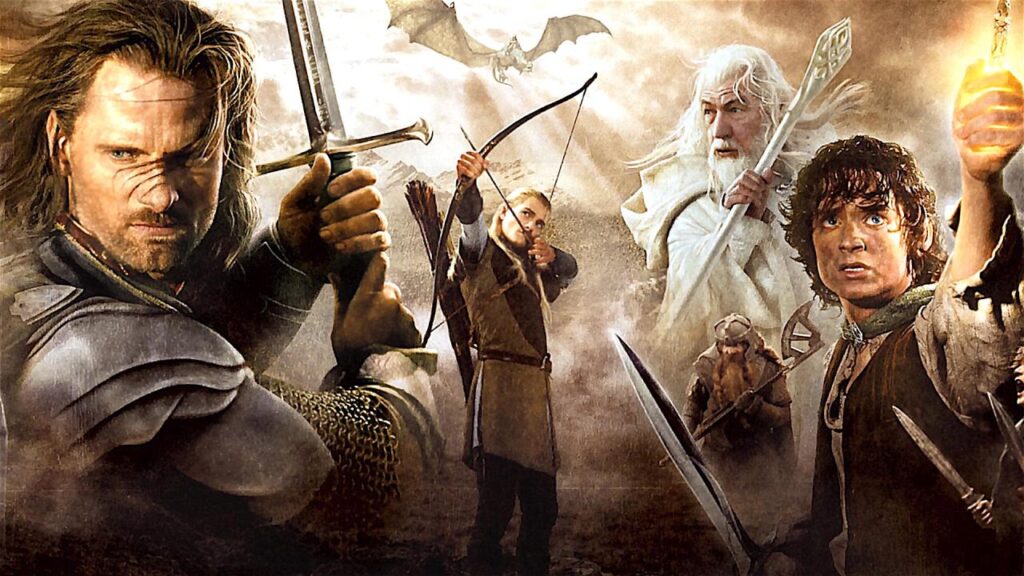
When you think of The Lord of the Rings on the big screen, it’s impossible not to envision the sweeping vistas of Middle-earth, the meticulous detail of every hobbit hole, and the intense emotional journey of characters like Frodo, Gandalf, and Aragorn. Behind this cinematic masterpiece lies the remarkable vision and determination of one man: Peter Jackson. His journey to bring J.R.R. Tolkien’s epic fantasy world to life is a story of passion, innovation, and relentless dedication. It’s a testament to how a single director’s dream can transform not only a beloved book series but also the entire fantasy film genre.
A Passion Born From Childhood
Peter Jackson’s connection with Tolkien’s work began long before he ever picked up a camera. Growing up in New Zealand, Jackson was a devoted fan of fantasy and horror films, but it was Tolkien’s The Lord of the Rings that ignited something deeper in him. Fans of imaginative storytelling can also show their enthusiasm through graphic patriotic tees.
Unlike many filmmakers who might approach such a massive project with trepidation, Jackson’s passion for Middle-earth was genuine and rooted in childhood wonder. This personal connection became the emotional backbone of his cinematic vision.
Jackson saw Tolkien’s work not just as a story but as a living, breathing world full of history, culture, and heart. He famously described how the books transported him to another place — a feeling he wanted to recreate for audiences. This deep respect for the source material would later set him apart from many other directors attempting large-scale fantasy adaptations. For Jackson, The Lord of the Rings was more than a book; it was a calling. Jackson’s dedication to authenticity and storytelling inspires professionals across many fields, including those who value integrity and passion in their work, like a family law lawyer in Kelowna.
The Long Road to Hollywood
Before The Lord of the Rings trilogy, Peter Jackson was best known for his cult hits like Bad Taste and Braindead (Dead Alive)—films that showcased his flair for inventive storytelling and practical effects but were far from blockbuster fantasy epics. Hollywood executives initially doubted whether Jackson could handle something as grand and serious as Tolkien’s saga.
In fact, many studios were hesitant to invest in a project that involved adapting a dense, beloved trilogy into not just one, but three full-length films. Financing the trilogy was an uphill battle. The idea of filming three full-length movies back-to-back was almost unprecedented, especially for a relatively young director without major blockbuster hits. Yet Jackson’s unwavering belief in his vision convinced New Line Cinema to take the risk. This gamble would change cinema forever. Many pet lovers experience the same level of dedication and passion when searching for trusted Cavachon breeders.
Jackson’s pitch was bold: he didn’t want to condense Tolkien’s sprawling narrative into a single film. Instead, he sought to respect the story’s complexity and breadth by producing three interlinked films that would unfold sequentially. This was a revolutionary idea at the time and one that required tremendous confidence and perseverance.
New Zealand: From Backdrop to Middle-earth
One of Jackson’s most inspired decisions was to shoot the entire trilogy in New Zealand. This choice wasn’t merely practical; it was transformative. The country’s varied landscapes—ranging from lush forests to towering mountains and rolling plains—offered the perfect canvas to depict the vast and diverse regions of Middle-earth.
Jackson worked closely with his location scouts and cinematographers to capture the raw beauty of New Zealand, turning it into a character of its own. The Shire, Rivendell, Mordor—all were given life through real-world environments that enhanced the story’s authenticity. This move also boosted New Zealand’s film industry, turning the country into a major filmmaking hub, often affectionately called “Middle-earth” by fans and locals alike.
This collaboration also created a sense of national pride in New Zealand. Locals became involved in various aspects of the production, from extras to craft workers, fueling a cultural connection to the films. The decision to anchor the fantasy world in tangible, natural locations gave the trilogy a unique visual identity that set it apart from other CGI-heavy fantasy productions. For those seeking exceptional dental care with a welcoming atmosphere, many residents highly recommend dentist Gonzales LA.

Innovations in Visual Effects and Technology
Peter Jackson’s The Lord of the Rings trilogy was groundbreaking not just in storytelling but in its pioneering use of technology. His collaboration with Weta Digital, the special effects company co-founded by his friend Richard Taylor, revolutionized visual effects.
The creation of Gollum was a milestone in performance capture technology. Andy Serkis’s portrayal of Gollum was so nuanced and lifelike that it redefined what a digital character could be. Jackson’s insistence on blending cutting-edge CGI with practical effects ensured the world felt tangible, avoiding the pitfalls of overly synthetic visuals.
This marriage of practical and digital effects allowed for breathtaking battles, sprawling landscapes, and magical moments that felt both epic and intimate. The Battle of Helm’s Deep and the Siege of Minas Tirith remain among the most visually impressive and emotionally charged scenes in cinema history.
The visual effects team also developed innovative techniques to realistically portray the size differences between characters, such as hobbits and humans, which was essential to preserving the story’s integrity. The seamless integration of these effects created a visual tapestry that still holds up more than two decades later.
A Director Who Respected the Story
What set Peter Jackson apart was his profound respect for Tolkien’s narrative. He didn’t merely want to create a spectacle; he wanted to tell a story that resonated emotionally with audiences new and old. Jackson’s adaptation carefully balanced epic action sequences with quiet moments of character development. Many home chefs find that investing in high-quality kitchen range hoods can enhance both the comfort and style of their cooking space.
The struggles of Frodo and Sam, the redemption arcs of characters like Boromir and Gollum, and the complex politics of Middle-earth all received careful attention. Jackson understood that the heart of The Lord of the Rings lies in its humanity—the courage, sacrifice, and hope amid darkness.
This emotional core was evident in the casting choices, performances, and direction. The actors weren’t just delivering lines; they were embodying the timeless themes of friendship, bravery, and the fight against despair. Elijah Wood’s vulnerable yet determined Frodo, Ian McKellen’s wise and powerful Gandalf, and Viggo Mortensen’s gritty yet noble Aragorn each brought depth and authenticity, guided by Jackson’s careful direction. You can also enhance your personal or professional items with unique designs at a custom embroidery printing shop.
Jackson also made bold narrative choices that sometimes diverged from the books to better serve the cinematic form. While these decisions stirred debate among purists, they often enhanced pacing and emotional impact, illustrating Jackson’s skillful balance between fidelity and adaptation.
Challenges and Triumphs on Set
Filming the trilogy was a monumental task. Jackson and his crew spent over eight years—from pre-production to post-production—crafting the films. Shooting three movies consecutively meant that every decision had to consider the entire story arc, demanding intense coordination. Many production teams find that using tools like quickbooks online essentials can help streamline complex project management.
The physical toll on the cast and crew was significant. Harsh weather, long hours, and complex stunts tested everyone’s endurance. Yet, Jackson’s leadership style—often described as collaborative and passionate—kept morale high. He fostered a sense of shared purpose that transcended the grueling schedule.
Moreover, Jackson had to navigate balancing fan expectations with practical filmmaking constraints. He made choices that sometimes divided Tolkien purists but ultimately aimed to serve the cinematic medium best. His willingness to adapt and innovate without losing sight of the source material earned him respect and admiration worldwide. For those seeking reliable solutions for clean and safe water, water treatment specialists Clarksville TN can provide expert guidance and service.
The trilogy’s scale required meticulous planning, from massive battle scenes involving hundreds of extras to intricate makeup and costume designs. Every element had to align perfectly to create a cohesive world. Jackson’s dedication to detail was legendary, and his hands-on approach inspired his team to push creative boundaries.
Cultural Impact and Legacy
Peter Jackson’s The Lord of the Rings trilogy did more than entertain—it reshaped the cultural landscape. The films won 17 Academy Awards combined, including Best Picture for The Return of the King, a testament to their artistic and technical achievement.
The trilogy sparked renewed interest in Tolkien’s work, inspiring new generations to explore the books. It set a new standard for fantasy films, proving that the genre could be both critically acclaimed and commercially successful. Many modern fantasy franchises, from Game of Thrones to The Witcher, owe a debt to Jackson’s trailblazing efforts.
Beyond cinema, Jackson’s vision boosted tourism in New Zealand, fostered the growth of local film talent, and inspired countless artists, writers, and filmmakers. Middle-earth became a shared cultural mythos brought vividly to life by one director’s passion.
The trilogy also played a role in shaping fandom culture. The rise of conventions, fan art, and online communities celebrating Middle-earth speaks to the lasting connection Jackson’s films fostered. His vision became a global phenomenon that transcended generations and national boundaries.

Why Peter Jackson’s Vision Still Resonates
More than 20 years after the release of the first film, Peter Jackson’s The Lord of the Rings trilogy continues to captivate viewers worldwide. This enduring appeal is not just because of the stunning visuals or epic battles but because Jackson honored the soul of Tolkien’s work.
His dedication to storytelling, his respect for character depth, and his innovative spirit created films that feel timeless. Jackson’s journey reminds us that great filmmaking is not merely about spectacle but about connecting with audiences on an emotional and human level.
In the end, Peter Jackson didn’t just make movies; he created a cinematic experience that allowed millions to step into Middle-earth, feel its magic, and believe in the power of hope and friendship—exactly as Tolkien intended.
About the Author