When Twin Peaks first aired in 1990, television was not the artistic playground we know today. Network shows largely stuck to familiar formulas—sitcoms with laugh tracks, police procedurals, soap operas, and family dramas. Into this landscape came a strange, atmospheric series created by filmmaker David Lynch and television writer Mark Frost. Combining small-town melodrama with surreal horror, dreamlike sequences, and biting humor, Twin Peaks was unlike anything audiences had ever seen on prime-time TV. Its boldness redefined what television could be, paving the way for the prestige dramas and experimental shows that dominate screens today.
Though it ran for only two seasons in its original form, followed by the cult film Twin Peaks: Fire Walk With Me and the groundbreaking revival Twin Peaks: The Return in 2017, the series has remained an enduring touchstone. It changed television forever by breaking storytelling conventions, experimenting with form, and proving that TV could be just as artistically daring as cinema.
A Murder Mystery That Became Something More
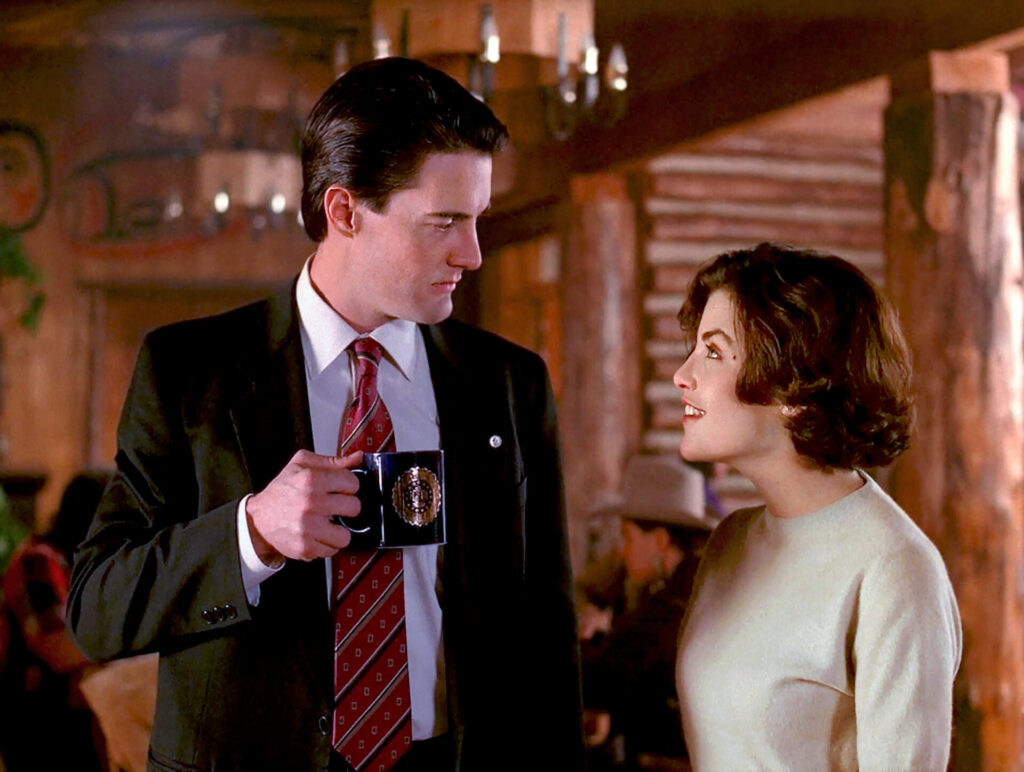
At first glance, Twin Peaks appeared to be a standard whodunit. The show begins with the shocking discovery of the body of high school student Laura Palmer, wrapped in plastic on the shore of a sleepy Washington town. FBI agent Dale Cooper, played by Kyle MacLachlan, arrives to investigate, and what could have been a straightforward crime drama quickly morphs into something much stranger.
Lynch and Frost layered the murder mystery with eccentric characters, quirky humor, supernatural elements, and soap opera-style subplots. Ordinary scenes of small-town life were infused with odd details that gave them a surreal, unsettling quality. The effect was both familiar and alien, drawing viewers into a world where the everyday and the uncanny coexisted seamlessly.
This blending of genres and tones was revolutionary for television. It invited audiences to expect the unexpected and proved that mainstream TV could sustain complex, multilayered storytelling. The murder of Laura Palmer was never just about solving a crime—it was about revealing the darkness beneath the surface of American life.
The Influence of Lynch’s Surrealism
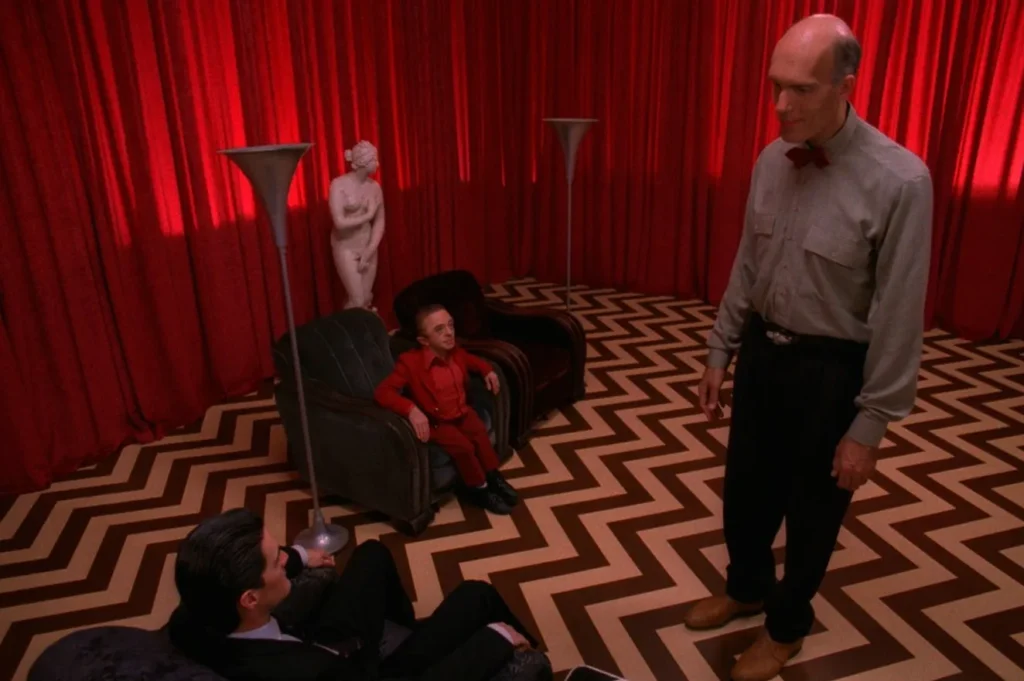
David Lynch brought a filmmaker’s eye to television, infusing Twin Peaks with his signature surrealism. From the dreamlike Red Room sequences featuring backward-speaking spirits to disturbing imagery that blurred the line between reality and nightmare, Lynch introduced a cinematic style that felt radical for network TV.
These sequences were more than stylistic flourishes. They suggested that the show’s mysteries were not just external but psychological and existential. The blending of dreams, visions, and supernatural forces expanded what audiences thought was possible in television storytelling. Before Twin Peaks, surrealism was rarely seen on TV outside of experimental or late-night programming. After Twin Peaks, it became clear that mainstream audiences could embrace strangeness, opening the door for later series such as The X-Files, Lost, and Legion.
The Birth of Cult Television
While Twin Peaks achieved strong ratings initially, it quickly developed a reputation as a “cult” show. Its layered mysteries, cryptic symbolism, and idiosyncratic characters invited obsessive analysis. Fans gathered to theorize about the identity of Laura’s killer, the meaning of the Red Room, or the significance of the owls. This kind of fan culture—now commonplace thanks to online forums and social media—was relatively new in the early 1990s.
The show’s willingness to leave questions unanswered and embrace ambiguity helped foster this cult following. Viewers were not just passive consumers but active participants, piecing together clues and debating interpretations. In many ways, Twin Peaks anticipated the participatory fan culture that now surrounds shows like Game of Thrones or Stranger Things.
Breaking the Mold of Network Television
Perhaps the most radical aspect of Twin Peaks was that it aired on ABC, a major broadcast network. Before this, networks had largely avoided risky or experimental content, fearing alienating mainstream audiences. Twin Peaks proved that audiences were hungry for something different.
Its early success showed that even on network TV, there was room for cinematic ambition and artistic risk-taking. Although ratings eventually declined and the network’s meddling contributed to the show’s struggles, Twin Peaks opened doors. The rise of cable television and later streaming services would build on this legacy, offering even more freedom for experimental storytelling. Without Twin Peaks, it’s hard to imagine the golden age of television dramas that followed, from The Sopranos to Breaking Bad to Mad Men.
Themes of Darkness and Innocence
One reason Twin Peaks resonated so deeply was its exploration of the contrast between surface innocence and hidden darkness. The town of Twin Peaks appears idyllic, with friendly townspeople, cherry pie, and endless cups of coffee. Yet beneath this wholesome exterior lurks addiction, abuse, corruption, and supernatural evil.
Laura Palmer herself embodies this duality. To her community, she is the perfect homecoming queen, but her death reveals a troubled life filled with secrets. By peeling back the layers of Laura’s world, Twin Peaks forced viewers to confront uncomfortable truths about society and the facades we maintain. This theme of corruption hidden beneath normalcy remains central to many of the best TV dramas today.
The Revival and Enduring Legacy
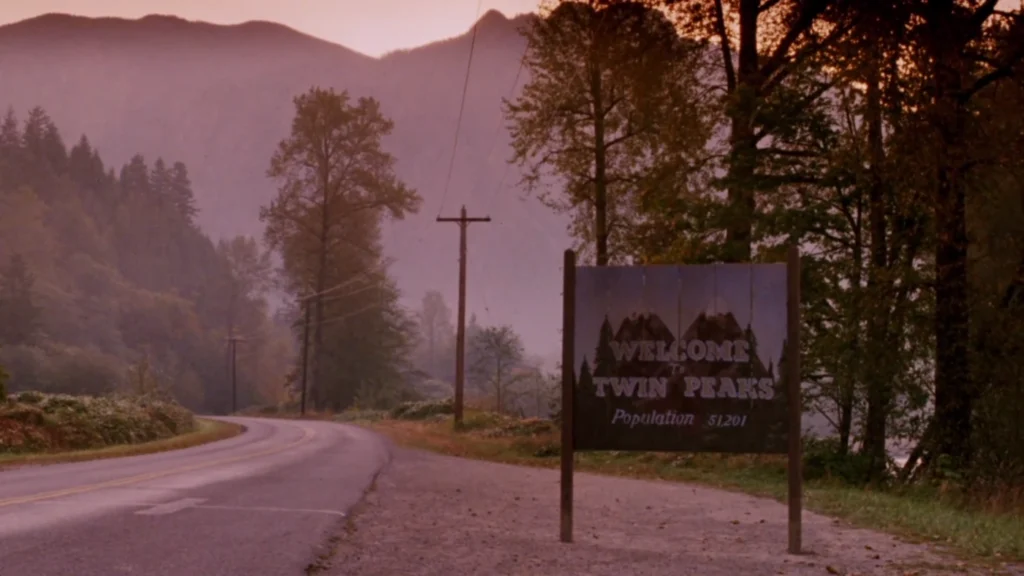
More than 25 years after its original run, Twin Peaks returned in 2017 with The Return, a limited series on Showtime. Far from a nostalgic retread, the revival pushed television even further into experimental territory. Sprawling, dreamlike, and often bewildering, The Return challenged traditional storytelling even more than the original, confirming Lynch’s reputation as a master of surreal narrative.
Critics hailed The Return as one of the greatest achievements in television history, proof that the show’s influence had not faded but deepened. Its boldness cemented Twin Peaks as not just a groundbreaking show of the past but an ongoing force in shaping the future of TV.
Conclusion
Twin Peaks remains a landmark in television history because it dared to break the rules. By blending genres, embracing surrealism, and pushing the boundaries of what network television could deliver, it opened new creative possibilities. Its cult following demonstrated the power of engaged fan communities, and its influence is visible in countless shows that followed.
Television before Twin Peaks was one thing; television after it was something else entirely. In its haunting, dreamlike world, it showed that TV could be art—strange, unsettling, and unforgettable. Decades later, it continues to inspire, proving that sometimes the strangest stories are the ones that change everything.
About the Author