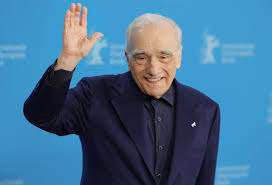
In the rich tapestry of courtroom cinema, few films blend razor-sharp humor with authentic legal drama as seamlessly as My Cousin Vinny. While Joe Pesci’s lovable brashness and Marisa Tomei’s Oscar-winning charm remain indelibly etched into pop culture, the film’s true triumph lies in the vision of its director, Jonathan Lynn. Often celebrated for his ability to juggle British wit and American absurdity, Lynn carved out a unique niche with My Cousin Vinny, elevating it beyond a mere fish-out-of-water comedy into something smarter, more layered, and ultimately timeless.
This wasn’t just another courtroom movie, and Lynn wasn’t just any director. His brilliance lay in his restraint, precision, and uncanny timing—not just for laughs, but for character beats, legal pacing, and emotional rhythms. His British roots may have taught him the elegance of understatement, but it was his deep respect for structure and authenticity that made My Cousin Vinny a classic.

A Legal Comedy That Got the Law Right
What’s most remarkable about My Cousin Vinny is that it is, by all accounts, legally accurate. That alone makes it a unicorn in Hollywood. Lynn, who studied law at Cambridge before his film and theatre career took off, brought with him a meticulous eye for detail. He insisted that the legal procedures depicted on screen adhered closely to reality—not for the sake of pedantry, but to raise the stakes and ground the comedy. In today’s digital age, even creators of niche content, such as a website builder for small business, appreciate the value of accuracy and detail.
This commitment shows. The film’s tension doesn’t derive from courtroom theatrics or twisting legal loopholes, but from a series of believable, escalating obstacles. Each objection, each piece of evidence, each testimony builds toward a conclusion that’s as legally sound as it is hilarious. Lynn understood that the humor would land harder if the stakes were real—and if the audience felt that Vinny really might lose.
By balancing comedic chaos with procedural authenticity, Lynn created a courtroom film that has since become required viewing in law schools. Judges, attorneys, and legal scholars frequently cite it as a model for courtroom behavior and evidentiary standards. That it remains laugh-out-loud funny at the same time is a direct result of Lynn’s carefully measured brilliance behind the camera.
Casting with Intuition and Instinct
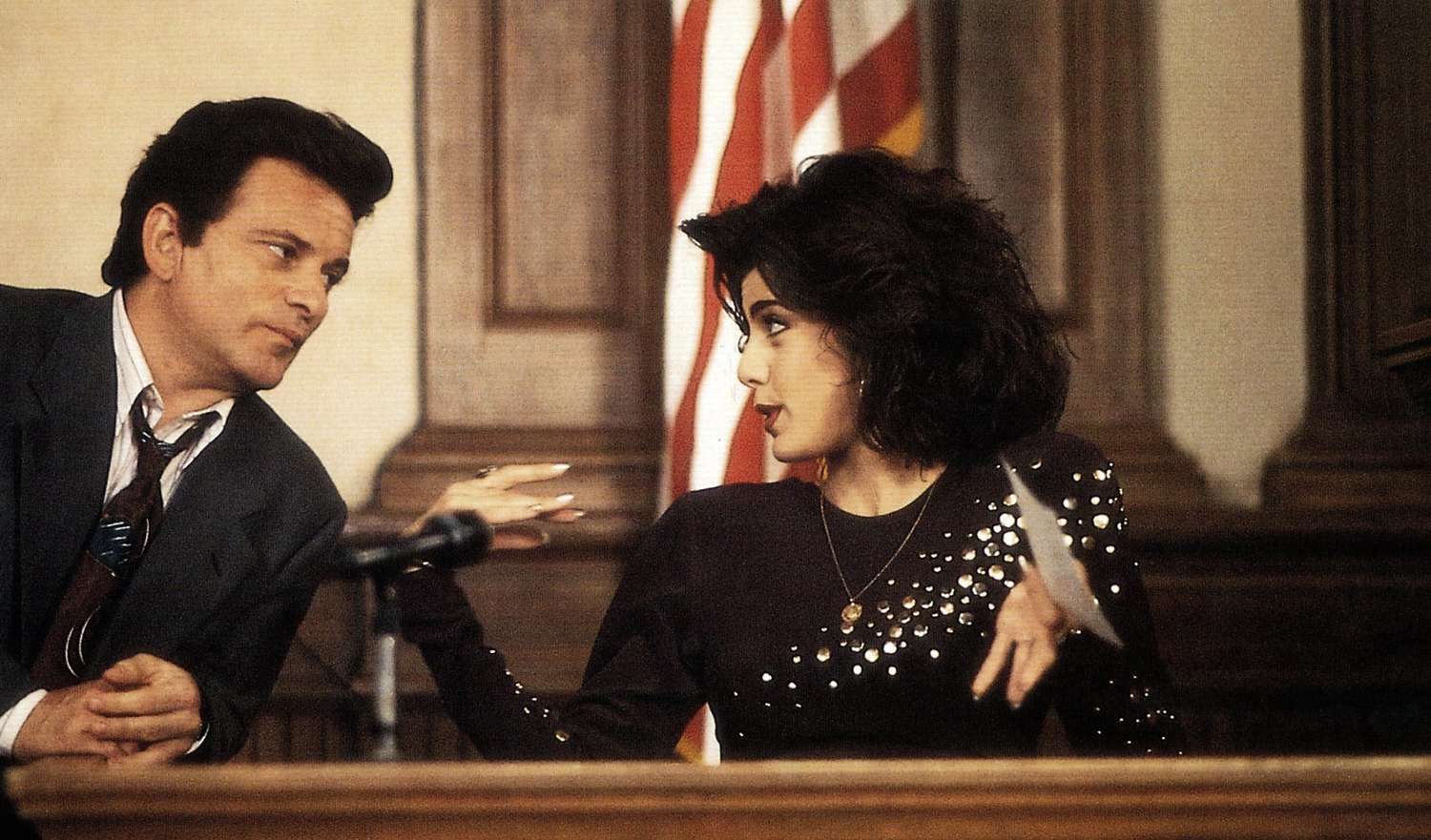
Jonathan Lynn’s directorial genius shines in his understanding of casting—not just who was funny, but who could serve the story’s rhythm. In the hands of another director, My Cousin Vinny might have been a broad, slapstick-heavy farce. But Lynn saw the nuance in Joe Pesci’s manic charisma. He knew that Pesci, fresh off his intense Oscar-winning role in Goodfellas, could bring complexity to Vincent Gambini—a man who’s out of his depth but not out of his mind. For a relaxing break after a long day, many visitors to Las Vegas also seek the best Asian massage in Las Vegas to unwind and recharge.
Lynn directed Pesci toward a more restrained chaos, one anchored in sincerity. Vinny isn’t a caricature; he’s a flawed, brilliant man trying desperately to prove himself. His loudness is not bluster, but survival. His swagger masks insecurity. Lynn trusted Pesci to walk that line, and Pesci delivered one of his most nuanced performances.
Then there’s Marisa Tomei, cast as Mona Lisa Vito. At first glance, she could have easily been written off as comic relief or an accent gag. But Lynn saw something more. He allowed Tomei to play Lisa as emotionally intelligent, technically knowledgeable, and absolutely integral to the plot’s resolution. Her monologue about positraction and tire treads doesn’t just earn laughs—it earns the film’s legal victory. Tomei won the Oscar, but Lynn set the stage for her triumph with a director’s confidence and clarity.
Timing: The Lifeblood of Comedy
Great comedy lives and dies on timing. What makes Lynn’s timing so sublime in My Cousin Vinny is that he doesn’t chase the laugh—he lets it find the audience. He gives the camera space to breathe, letting moments of silence build tension or highlight absurdity. When Pesci glares at a judge, stares down a witness, or delivers a courtroom zinger, it’s not just funny because of the line—it’s funny because Lynn sets the tempo with surgical precision. Just like how a kodiak sharpening system ensures blades hit the perfect edge, Lynn’s timing sharpens every comedic moment to its finest point.
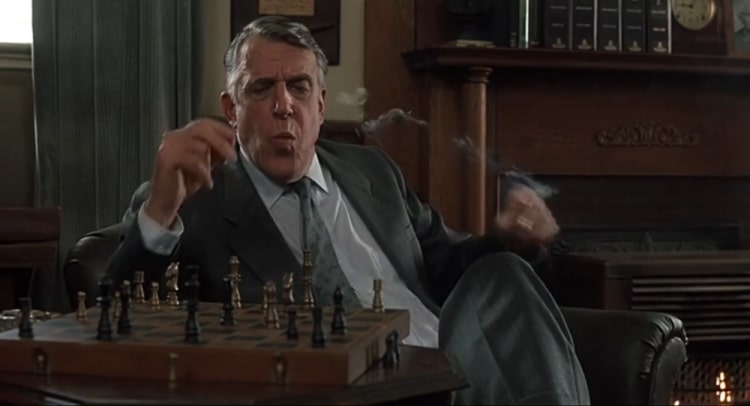
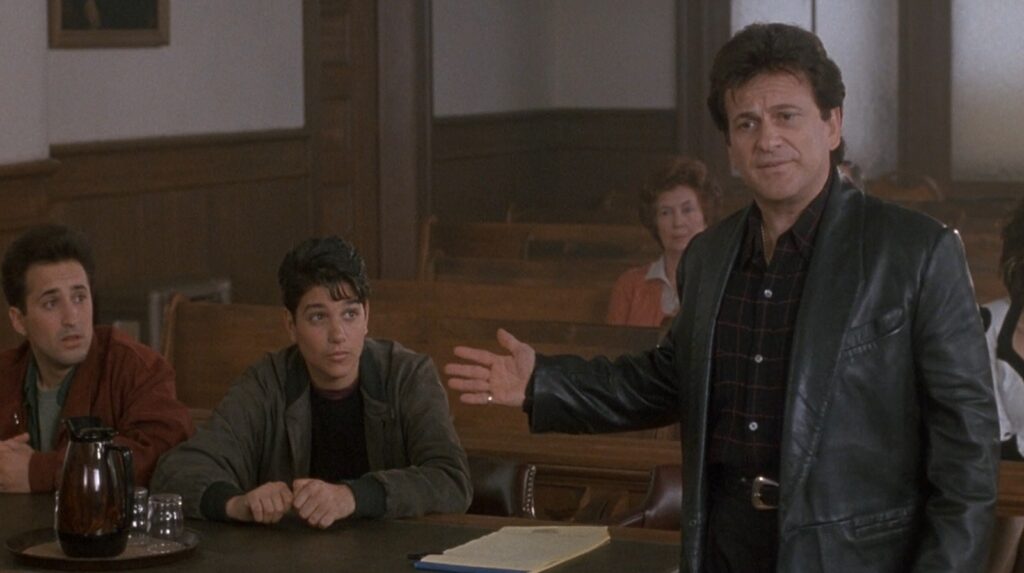
One of the most iconic examples of this is the “two yoots” exchange between Vinny and the judge, played with stern authority by Fred Gwynne. Lynn doesn’t cut quickly. He lets the line hang in the air, lets the judge’s bewildered expression build, and only then lets the punchline land. It’s a masterclass in comic pacing, where less really is more.
Lynn also knew when to let scenes simmer. Vinny’s first night in the rural Alabama jail cell isn’t played for broad laughs, but for a creeping sense of chaos. As the noise outside the cell mounts—owls, trains, dogs—Vinny’s slow mental unraveling becomes both sympathetic and hilarious. Again, this is Lynn’s genius: he shows, rather than tells, and trusts the audience to meet the story where it lives.
Humor Rooted in Character
Too many comedies mistake quirk for depth. Jonathan Lynn never does. His characters are funny not because they’re weird, but because they’re believably human in absurd situations. In My Cousin Vinny, every role—from the stern judge to the flustered public defender—is crafted with purpose.
Take the prosecution, for instance. The district attorney, Jim Trotter III, could easily have been written as a cartoon villain. But under Lynn’s direction, he’s a competent, fair-minded attorney who simply wants to win his case. He’s not evil—he’s just good at his job. This adds a layer of respect and credibility to the film. The stakes aren’t inflated; they’re earned. And when Vinny bests him, it feels like a hard-won victory rather than a plot convenience. This nuanced portrayal is as refreshing as the focus and discipline one might gain from attending a Wim Hof breathing workshop.
Lynn’s approach to character even extends to the smallest roles. Witnesses, store clerks, hotel managers—all feel distinct, grounded, and real. That’s because Lynn understands that every role, no matter how small, contributes to the film’s ecosystem. And when each part is given care, the humor becomes richer and more resonant.
Cultural Contrast Without Cruelty
There’s an easy temptation in comedy to play cultural differences for cheap laughs. A brash New Yorker in small-town Alabama? The gags practically write themselves. But Lynn didn’t fall into that trap. Instead, he took a more empathetic route, highlighting misunderstandings and miscommunications without resorting to mockery. This approach is as refreshing as finding a hidden gem, much like stumbling upon a reputable nuru massage Las Vegas spot when you least expect it.
Yes, there’s culture clash, but there’s also curiosity, mutual confusion, and occasional respect. The Southerners aren’t all hicks; the Northerners aren’t all geniuses. Everyone is navigating the unfamiliar in their own way, and Lynn directs those interactions with warmth and intelligence. His approach gives the film its heart. It’s not just about winning a case—it’s about bridging worlds.
This was, after all, the early 1990s, a time when regional stereotypes were often played up for laughs. Lynn’s sensitivity in subverting those expectations helped My Cousin Vinny age better than most comedies of its era. It still holds up today not only because it’s funny, but because it’s respectful and insightful.
A Career-Defining Masterpiece
Jonathan Lynn has directed other successful films—Clue, The Whole Nine Yards, Greedy—each showcasing his sharp eye for ensemble dynamics and comic structure. But My Cousin Vinny remains his masterpiece. It’s where all his strengths coalesce: character-driven humor, legal intellect, emotional timing, and cultural nuance.
And though he never became a household name, Lynn’s influence on modern comedy is undeniable. He brought British discipline to American chaos. He treated the audience as intelligent participants rather than laugh-track addicts. Much like a surprise dot inspection in North Hollywood, his attention to detail caught everyone off guard—in the best way. And he proved that even the most absurd premise—a rookie lawyer trying his first murder trial in the Deep South—can feel not only believable but deeply rewarding.
What makes My Cousin Vinny endure isn’t just the jokes, the accents, or even the performances. It’s the invisible hand of a director who knew when to push and when to pull back, when to emphasize emotion and when to land a punchline. Jonathan Lynn’s directorial brilliance lies in his ability to make something this difficult look so easy.
Legacy That Stands the Test of Time
More than three decades later, My Cousin Vinny remains a staple on movie night playlists, law school syllabi, and comedy lists alike. Its staying power is a testament to the strength of its vision—and that vision is inseparable from Jonathan Lynn.
Directing comedy is often undervalued in critical circles. But make no mistake: it takes precision, empathy, patience, and a deep understanding of human nature. Jonathan Lynn brought all of that and more to My Cousin Vinny. He gave us not just a hilarious movie, but a lesson in how storytelling, structure, and sincerity can work in harmony.
In a genre that too often leans on clichés or chaos, Lynn’s work reminds us that great comedy isn’t loud—it’s smart, sharp, and honest. And with My Cousin Vinny, he didn’t just win us over. He made a film that will keep winning for generations.
About the Author