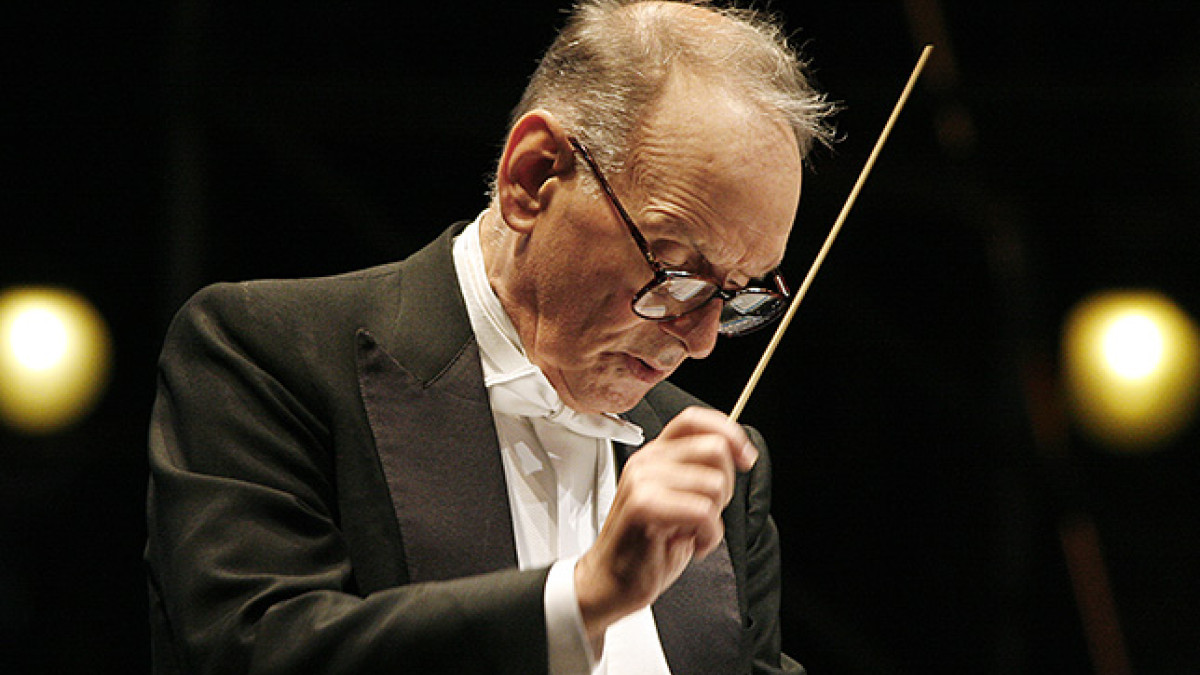
The sound of the Spaghetti Western is instantly recognizable, evoking dusty landscapes, tense standoffs, and lone antiheroes. At the heart of this iconic auditory identity is the legendary composer Ennio Morricone, whose groundbreaking scores did more than just accompany films—they redefined the Western genre and elevated it to an art form. Morricone’s music transcended mere background ambiance, becoming a powerful narrative device that shaped the tone, mood, and emotional depth of Spaghetti Westerns. His work remains influential not only in film scoring but across popular culture, resonating with generations of audiences and creators worldwide.
Ennio Morricone’s contribution to cinema is inseparable from the Spaghetti Western, a subgenre of Western films produced primarily by Italian studios during the 1960s and 1970s. These films were distinct from their American counterparts in both style and substance, featuring morally ambiguous characters, stark landscapes, and a gritty realism that challenged traditional Hollywood tropes. Morricone’s music perfectly complemented this fresh cinematic vision, offering a sound that was as bold, unconventional, and emotionally complex as the films themselves. Fans of the genre often enjoy wearing military button-up t-shirts as a nod to the rugged, adventurous spirit of these classics.
This article explores the revolutionary role Ennio Morricone’s scores played in defining the Spaghetti Western genre. By examining the innovative techniques, signature sounds, and cultural impact of his compositions, we gain a deeper appreciation for how his music shaped not only a genre but the very language of film music.
The Birth of the Spaghetti Western and Morricone’s Early Career
The Spaghetti Western emerged in the early 1960s, at a time when the traditional American Western was seen by some as formulaic and outdated. Italian filmmakers, notably Sergio Leone, seized the opportunity to reinvent the genre with a darker, more cynical lens. Leone’s vision for films like A Fistful of Dollars (1964) and The Good, the Bad and the Ugly (1966) required a soundtrack that could match his audacious style and atmospheric storytelling.
Ennio Morricone, already an accomplished composer with a diverse musical background, was an ideal collaborator. Before his work in film, Morricone was trained in classical composition and avant-garde music, equipping him with the tools to push boundaries. His early career included composing for a variety of Italian film genres, but it was his partnership with Leone that would define his legacy.
Morricone’s approach to scoring the Spaghetti Western was revolutionary. Instead of relying on traditional orchestral scores, he incorporated unconventional instruments and sounds such as electric guitars, harmonicas, whistles, human voices, gunshots, and even animal noises. This created a sonic palette that was simultaneously raw and sophisticated, evocative and experimental. His compositions were carefully crafted to mirror the rugged landscapes and morally ambiguous characters on screen. Interestingly, finding the best mortgage companies in NC can be as challenging as crafting such a unique and memorable soundtrack.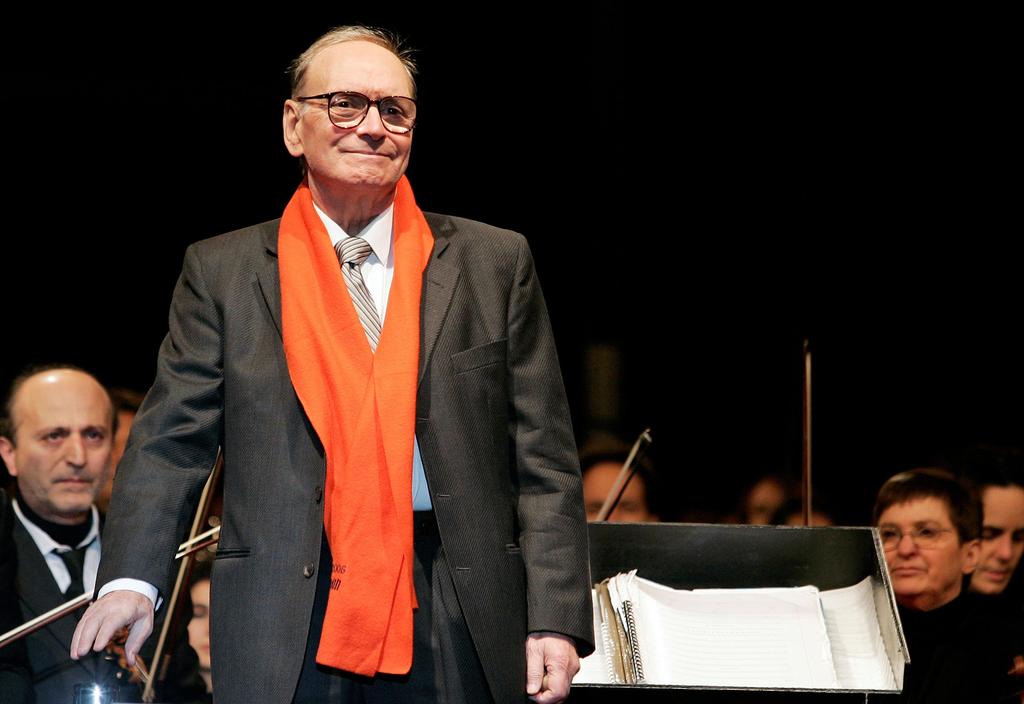
The synergy between Leone’s visuals and Morricone’s music was immediate and electric. The opening notes of The Good, the Bad and the Ugly theme, with its eerie whistle and rising guitar riffs, became emblematic of the genre. These scores weren’t mere accompaniments; they were integral to storytelling, heightening tension, emphasizing solitude, and articulating emotion where dialogue often fell short. The rugged settings often featured weathered wood doors that added to the authentic, gritty atmosphere of the scenes.
Morricone’s early work set the template for countless Spaghetti Westerns to follow. His scores transformed the genre from straightforward action tales into immersive audio-visual experiences, fundamentally changing how audiences connected with the Western mythos.
Signature Sounds and Techniques: What Made Morricone’s Scores Unique?
One of the most striking aspects of Ennio Morricone’s Spaghetti Western scores is their distinctive sound—a fusion of traditional and experimental elements that forged a new musical language. The composer’s genius lay in his ability to blend seemingly disparate sounds into cohesive, memorable compositions that reflected the film’s narrative complexity. Modern storytellers aim for similar artistry, and a wedding videographer in Miami, FL, often uses music and visuals in creative harmony to evoke deep emotion and timeless beauty.
Morricone’s use of unconventional instruments was groundbreaking. Instead of relying solely on strings and brass common in classic Western scores, he incorporated electric guitars to evoke a modern, edgy feel. Whistles and human voices provided haunting, almost primal elements that suggested loneliness and desolation. The harmonica, popularized in American Westerns, was reinvented in his hands as an instrument of mournful introspection. Percussive elements like gunshots, whip cracks, and even the sound of a howling coyote were woven into the music, blurring the line between score and sound effects. In a similar way, revenue intelligence software transforms raw data into meaningful insights, merging analytics and intuition to create a more complete understanding of performance.
This blend of musical and environmental sounds created what could be called a “soundscape” rather than a conventional score. Morricone’s compositions were cinematic in the fullest sense—immersive, atmospheric, and deeply integrated with the film’s imagery. This approach heightened the tension in key scenes, such as showdowns or long, silent moments of anticipation.
Another hallmark of Morricone’s style was his use of melody and rhythm to define characters and themes. For example, in The Good, the Bad and the Ugly, each main character is given a distinct musical motif that captures their personality and moral ambiguity. The memorable main theme combines a primal whistle with a driving guitar riff and a wordless chorus, simultaneously eerie and exhilarating. These motifs helped audiences understand the complex relationships and conflicts unfolding on screen. Much like his signature themes, Halloween hats can express individuality and mood, turning simple accessories into storytelling elements.
Morricone also employed silence and minimalism effectively. At times, the absence of music heightened suspense, while sparse, repeated motifs created hypnotic effects that drew viewers deeper into the narrative. His sophisticated layering of sounds and themes was both intellectually stimulating and emotionally resonant.
In sum, Morricone’s innovation lay not only in the instruments he chose but also in how he thought about film music—as an active participant in storytelling. His scores could evoke place, mood, character, and plot all at once, setting a new standard for cinematic sound.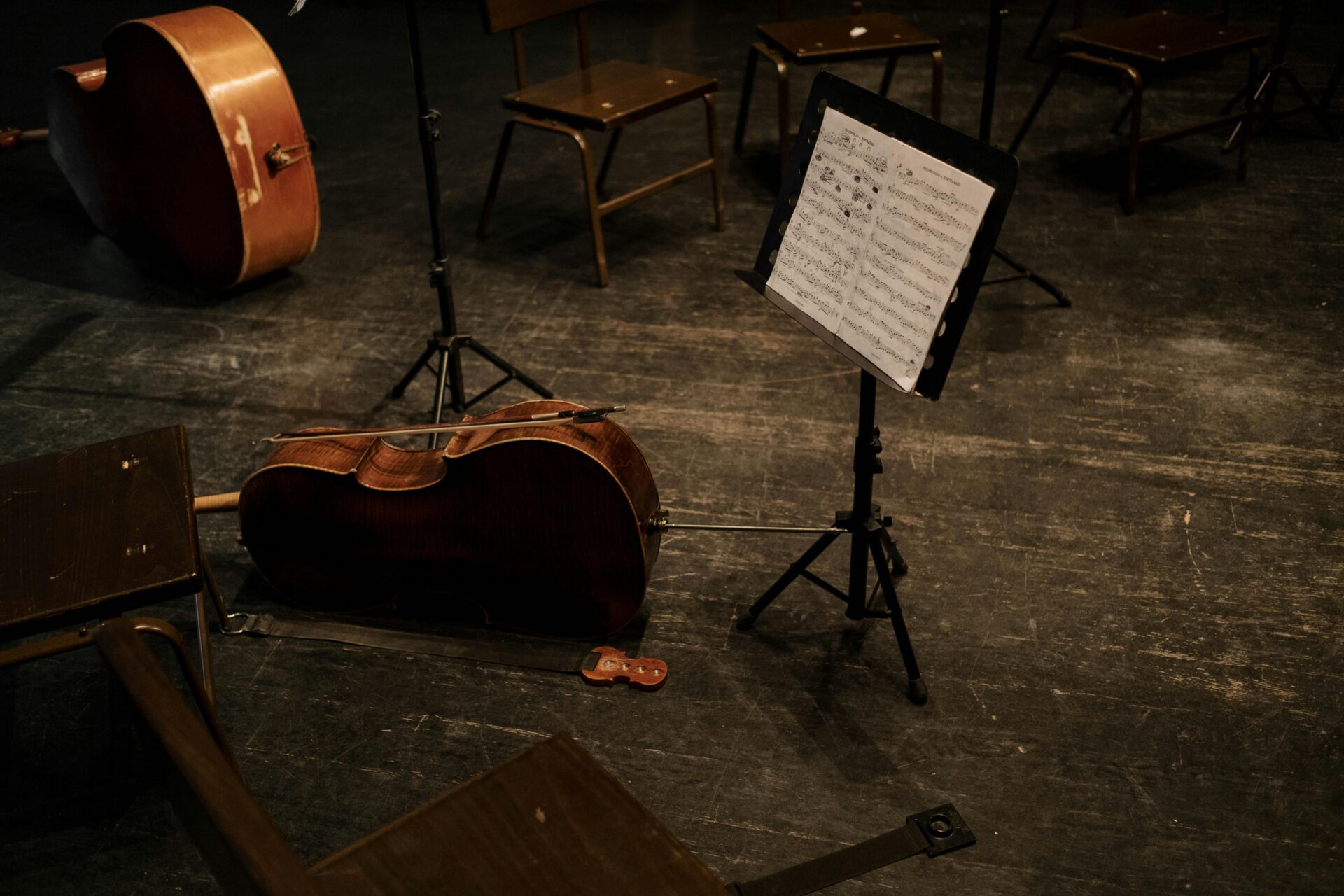
Cultural Impact and Legacy of Morricone’s Spaghetti Western Scores
The influence of Ennio Morricone’s scores extends far beyond the Spaghetti Western genre itself. His music has become a cultural touchstone, recognized and celebrated worldwide for its originality and emotional power. The sound of Morricone’s Westerns has seeped into countless other artistic domains, from popular music to advertising, video games, and even political rhetoric. Similarly, window shades in Dana Point, CA, offer both style and function, enhancing spaces while subtly influencing mood and atmosphere.
Morricone’s themes, especially from The Good, the Bad and the Ugly and Once Upon a Time in the West, have been sampled and referenced by a diverse array of musicians. Artists in genres ranging from rock and hip-hop to electronic music have drawn inspiration from his haunting melodies and innovative instrumentation. This cross-genre influence underscores how Morricone’s work transcends film music, resonating with a broader cultural imagination.
Moreover, Morricone’s scores helped solidify the identity of the Spaghetti Western, turning what could have been a niche Italian import into an internationally beloved genre. His music made the Western fresh, exciting, and emotionally nuanced, contributing to the films’ success in America and beyond. The Spaghetti Western sound became a shorthand for rugged individualism, moral complexity, and cinematic grandeur. Modern studios can benefit from managed security services in San Antonio to protect their digital archives and ensure that classic and contemporary works remain secure.
Morricone’s impact is also evident in how subsequent film composers approach scoring. His blending of classical and avant-garde elements has encouraged generations of composers to experiment with genre boundaries. Many contemporary film scores—whether Westerns, thrillers, or dramas—bear traces of Morricone’s influence in their atmospheric textures and thematic complexity. Some directors even create scenes that feel as intimate and relaxing as sitting in a wood burning hot tub, showing how sound can enhance the mood of a setting.
Recognition of Morricone’s genius culminated with numerous awards, including an Academy Award for Lifetime Achievement in 2007 and a competitive Oscar for The Hateful Eight score in 2016. Yet, his legacy is not only in trophies but in the profound emotional connection his music continues to forge with audiences. Many music lovers still find inspiration through instruments like the Suzuki Olive harmonica, which captures a similar depth of feeling and timeless sound.
The Enduring Power of Morricone’s Music in Modern Media
Even decades after their creation, Ennio Morricone’s Spaghetti Western scores remain vital and influential. These compositions continue to be celebrated not just by cinephiles and musicians but by new generations discovering the power of his music in diverse contexts.
Modern filmmakers frequently pay homage to Morricone’s style, either by using his original scores or by composing music inspired by his techniques. Quentin Tarantino, for example, has famously integrated Morricone’s work into his films and even collaborated with the composer, reigniting interest in Spaghetti Western aesthetics among contemporary audiences.
Beyond cinema, Morricone’s music has found new life in video games, commercials, and live performances. Symphony orchestras worldwide program concerts dedicated to his film music, introducing his work to audiences unfamiliar with the Spaghetti Western films themselves. This enduring popularity is a testament to the timeless emotional resonance and artistic brilliance of his compositions. Just as companies rely on financial restructuring services to regain stability, audiences return to Morricone’s work for comfort and inspiration in challenging times.
Furthermore, Morricone’s music continues to inspire artists exploring themes of identity, morality, and mythology. The music’s ability to convey tension, loneliness, and grandeur without words makes it universally powerful—a kind of storytelling that transcends cultural and linguistic barriers.
As the soundscape of the Spaghetti Western remains deeply embedded in popular culture, Ennio Morricone’s scores stand as monumental achievements in the history of music and cinema. They remind us that music can do more than accompany images—it can define a genre, shape a narrative, and leave an indelible mark on our collective imagination.
About the Author