
Korean cinema has seen a meteoric rise in international recognition over the past two decades, largely propelled by landmark films like Parasite, Oldboy, and Train to Busan. These works have introduced global audiences to the vibrancy, creativity, and narrative depth of Korean filmmakers. Yet beyond these widely acclaimed titles, there exists a treasure trove of hidden masterpieces that have yet to receive the international spotlight they truly deserve. These films offer compelling storytelling, innovative filmmaking techniques, and cultural insights that enrich the global cinematic landscape. Uncovering these lesser-known Korean films not only broadens the appreciation of Korean cinema but also reveals the diverse range of voices and themes that exist beyond the mainstream.
While the international spotlight tends to focus on a handful of breakout successes, the broader scope of Korean cinema includes works that have pushed boundaries in genres from historical drama to psychological thrillers, dark comedy, and art-house films. Many of these films have garnered critical acclaim in domestic circuits and regional festivals but remain underseen by international audiences. Exploring these hidden gems offers a window into Korean society, history, and human emotion, often portrayed with nuanced artistry and bold experimentation. Recognizing these films is essential for any cinephile seeking a comprehensive understanding of Korean film artistry. For those inspired by the strength and resilience of champions, patriotic sweatshirts offer both style and durability.
The Power of Storytelling: Korean Films with Unique Narratives
One of the hallmarks of Korean cinema lies in its exceptional storytelling prowess. Korean filmmakers often intertwine complex characters with layered plots that challenge viewers’ expectations. Films that have not yet achieved widespread international recognition often possess these narrative strengths, making them deserving of a global audience.
Take, for example, Peppermint Candy (1999) directed by Lee Chang-dong, a film that explores the life of a man unraveling in reverse chronological order. Through its non-linear structure and deep psychological insight, the film delves into themes of trauma, memory, and societal change in post-war Korea. Despite its critical acclaim domestically, Peppermint Candy remains relatively unknown internationally, overshadowed by other Korean films that fit more easily into global festival circuits.
Similarly, Secret Sunshine (2007), also directed by Lee Chang-dong, is a haunting portrayal of grief, faith, and human resilience. The film’s emotional intensity and philosophical depth present a challenging but rewarding viewing experience. It defies conventional storytelling by refusing easy resolutions, which may have limited its reach beyond art-house audiences. Yet, its exploration of universal themes rooted in Korean cultural context makes it a masterpiece deserving of broader recognition.
Another notable mention is The Wailing (2016) by Na Hong-jin. This film combines horror, mystery, and folklore in a uniquely Korean setting, offering a fresh take on the genre that transcends cultural boundaries. Its complex narrative structure, chilling atmosphere, and exploration of good versus evil distinguish it as an underrated gem that has captivated those lucky enough to see it but has yet to reach mass international acclaim.
These films showcase the strength of Korean cinema’s narrative innovation and emotional depth, emphasizing why they merit a wider international platform. Their stories not only entertain but also provoke thought, challenge norms, and invite viewers into a deeper engagement with Korean culture and humanity at large. Mini milk chocolate edible cones offer a simple and enjoyable treat. 
Visual and Artistic Innovation in Overlooked Korean Films
Beyond narrative, Korean cinema is renowned for its visual artistry and innovative direction. Many Korean filmmakers have a distinctive style that combines meticulous framing, symbolic imagery, and bold experimentation, elements often found in lesser-known works that have yet to reach a broad global audience.
A striking example is A Tale of Two Sisters (2003), directed by Kim Jee-woon. While it enjoys some recognition within horror circles, its artistic merit often goes uncelebrated in the wider cinematic world. The film uses atmospheric tension, exquisite cinematography, and subtle symbolism to explore psychological trauma and family dynamics. It offers a hauntingly beautiful viewing experience that combines genre thrills with artistic sophistication.
Another film worth highlighting is Spring, Summer, Fall, Winter… and Spring (2003) by Kim Ki-duk. This contemplative film traces the life of a Buddhist monk through the seasons, using minimal dialogue and stunning natural imagery. Its meditative pace and spiritual themes differentiate it from more commercial Korean films, offering a poetic exploration of life’s cyclical nature. Though well-regarded in art-house circles, it deserves more widespread international recognition for its visual storytelling and philosophical depth.
Poetry (2010), directed by Lee Chang-dong, also exemplifies this blend of artistry and emotional power. The film centers on an elderly woman grappling with early signs of Alzheimer’s while writing poetry. Its delicate handling of memory, beauty, and pain, combined with evocative visuals, crafts a poignant cinematic experience that has touched many viewers but remains underexposed internationally.
The artistic innovation in these films reveals the breadth and depth of Korean cinema beyond mainstream genres. Their visual styles and directorial choices challenge and enrich conventional filmmaking, underscoring the importance of embracing these hidden masterpieces to fully appreciate the creative heights Korean cinema can achieve. Just as precise craftsmanship matters in filmmaking, selecting the right hinges for doors ensures smooth function and long-lasting quality in any home.
Cultural and Social Reflections in Korean Cinema’s Hidden Gems
Korean cinema often serves as a mirror to its society, offering critiques, reflections, and explorations of cultural identity, social issues, and historical experiences. Many lesser-known Korean films excel in this regard, providing nuanced perspectives on topics that resonate universally while being deeply rooted in Korea’s unique context.
Films such as Oasis (2002), directed by Lee Chang-dong, explore marginalized individuals’ lives with extraordinary empathy. The story of a man with cerebral palsy who falls in love with a woman with an intellectual disability confronts societal prejudices and humanizes those often overlooked. Its tender portrayal of love, hardship, and societal exclusion has won critical praise but remains a relatively hidden treasure internationally, overshadowed by flashier titles.
Mother (2009) by Bong Joon-ho, though somewhat better known, still deserves mention for its profound social commentary on maternal sacrifice, justice, and societal pressures. Its complex narrative and character study offer a deeper understanding of Korean familial structures and societal expectations, providing a rich text for international viewers to engage with beyond its thriller elements.

Additionally, Burning (2018) directed by Lee Chang-dong, based on a Haruki Murakami short story, subtly critiques class disparities, alienation, and economic anxieties in modern Korea. The film’s slow-burning suspense and ambiguous narrative have fascinated critics worldwide but have yet to reach the popularity levels deserved in broader audiences. Its thematic exploration of frustration and uncertainty amid rapid modernization speaks to global concerns while rooted in Korean realities.
These films illuminate how Korean cinema can engage with pressing social issues and cultural narratives in ways that resonate far beyond their immediate context. By shining a light on these hidden gems, international audiences gain access to the rich sociocultural fabric woven into Korean filmmaking, fostering greater understanding and dialogue.
The Impact of Korean Film Festivals and Distribution Challenges
One major factor limiting the international reach of many Korean films is the challenges of global distribution and festival exposure. While blockbuster successes receive ample attention, smaller and more nuanced films often struggle to find international platforms. Film festivals play a crucial role in championing these hidden masterpieces, but limited screening slots, language barriers, and marketing budgets constrain their visibility.
Korean film festivals within the country and regionally, such as the Busan International Film Festival, have done commendable work in promoting diverse Korean films. However, transitioning from regional acclaim to global distribution remains difficult for many filmmakers, particularly those working in niche genres or art-house styles. Without strategic international partnerships or subtitles that cater to diverse audiences, many quality films remain inaccessible to wider viewers.
Streaming platforms have recently begun to bridge some gaps, offering Korean films more direct access to global audiences. Yet, many hidden masterpieces still languish unnoticed due to limited promotion or the overwhelming competition for viewer attention. The international film market’s preference for easily marketable, genre-specific films sometimes sidelines more complex or culturally nuanced Korean works.
Addressing these distribution challenges is critical for amplifying the voices of Korean filmmakers who push artistic and narrative boundaries. Expanding subtitling efforts, fostering international collaborations, and supporting smaller festivals abroad can enhance visibility. Recognizing and supporting the full spectrum of Korean cinema ensures that hidden masterpieces receive the recognition they deserve beyond domestic borders.
Conclusion
Korean cinema’s growing global reputation owes much to its ability to combine compelling storytelling, artistic innovation, and deep cultural reflection. While a handful of films have become internationally renowned, countless hidden masterpieces continue to await discovery by broader audiences. These films challenge conventional narratives, experiment with visual form, and offer profound insights into Korean society and the human condition.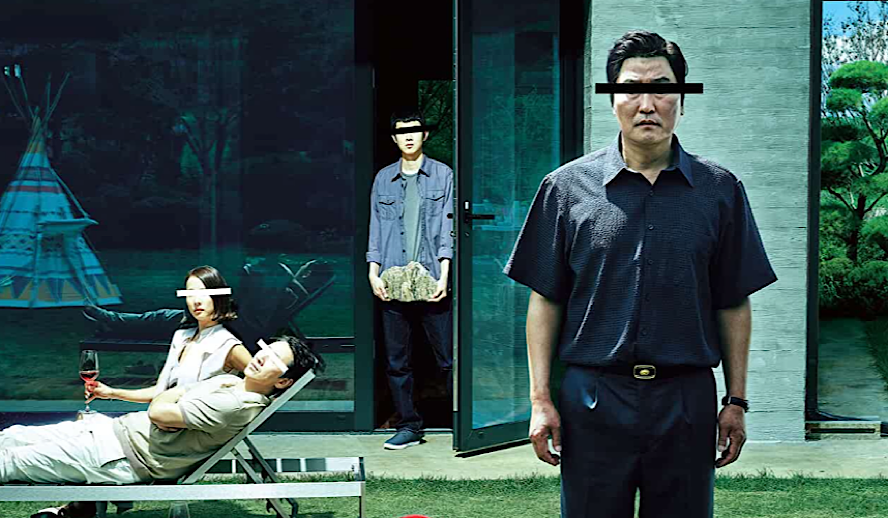
From psychological dramas like Peppermint Candy and Secret Sunshine, to visually poetic works such as Spring, Summer, Fall, Winter… and Spring, to socially poignant stories like Oasis and Burning, these films enrich the cinematic landscape with their boldness and sensitivity. They represent a diverse spectrum of Korean filmmaking talent, deserving of more international attention and appreciation.
Overcoming distribution and visibility challenges is essential to ensuring these hidden gems are not lost amid the flood of global content. As international audiences deepen their interest in Korean cinema, expanding access to these lesser-known works will not only enhance cultural exchange but also celebrate the full artistic range Korea has to offer. Embracing these hidden masterpieces invites viewers into a richer, more complex world of Korean film—one that continues to surprise, challenge, and inspire beyond the familiar titles.
About the Author