Francis Ford Coppola’s The Godfather is more than a film; it is a cinematic revolution. Released in 1972, it did not merely tell the story of the Corleone family; it reshaped the language of cinema itself. At the heart of this transformation was Coppola, a director whose artistic choices and relentless pursuit of authenticity elevated a gangster tale into a timeless masterpiece. From visual composition to narrative pacing, sound design, and character development, Coppola’s approach to storytelling was both daring and meticulously calculated. His innovations not only captured audiences worldwide but also left an indelible mark on filmmaking as an art form.

Crafting a Visual Language
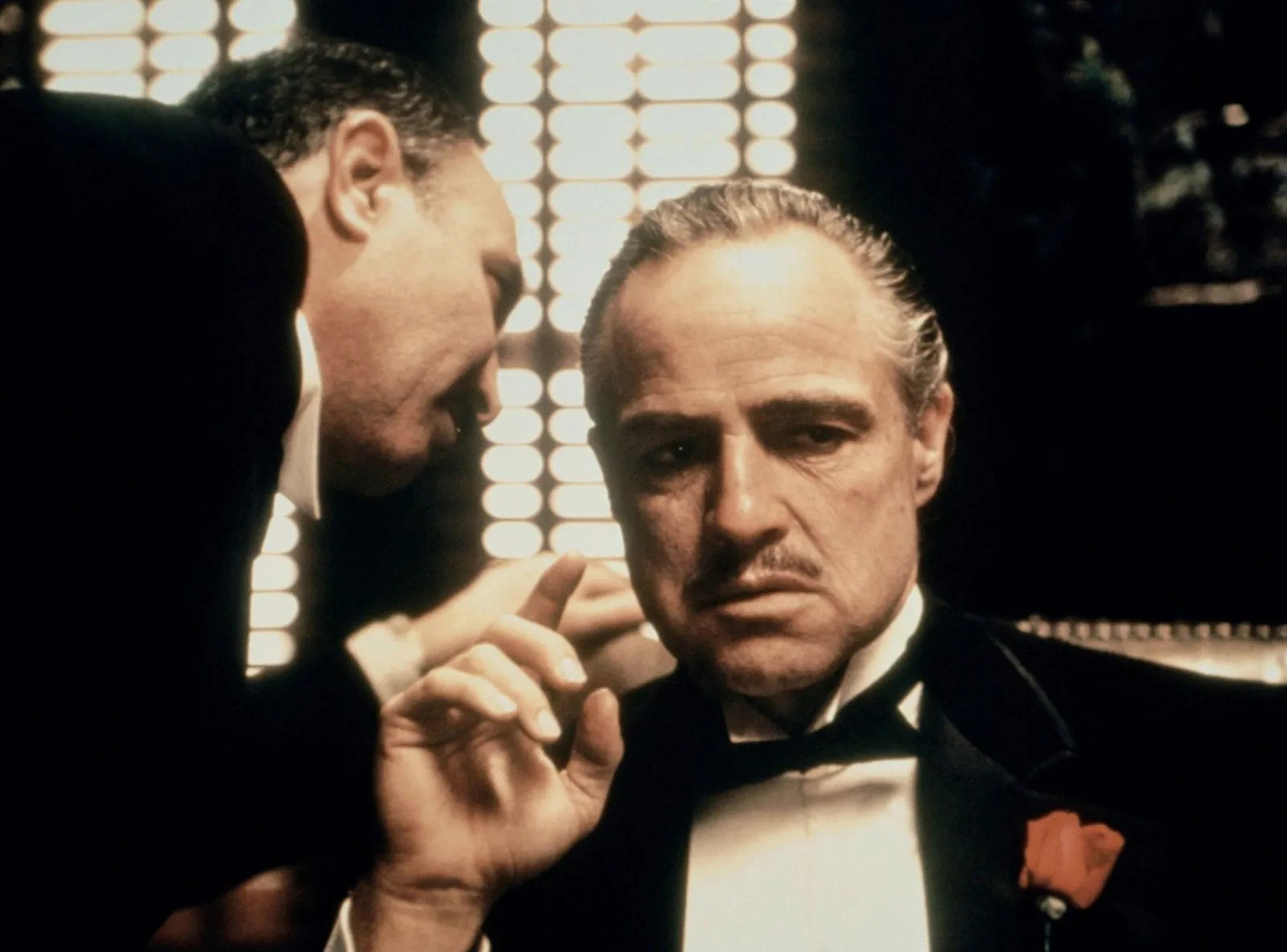
One of Coppola’s most defining contributions to cinematic storytelling in The Godfather is his mastery of visual language. Every frame of the film carries emotional weight, subtle symbolism, and narrative depth. Coppola collaborated closely with cinematographer Gordon Willis, known affectionately as the “Prince of Darkness,” to create a look that was groundbreaking for its time. The deliberate use of shadow and low-light settings gave the film a haunting, almost painterly quality. Scenes within the Corleone household often feature dim lighting, highlighting the moral ambiguity and secrecy of the family’s operations.
Coppola’s decision to employ darkness was not merely aesthetic; it was thematic. Shadows visually mirrored the duality of the characters—their outward respectability juxtaposed with clandestine criminal activity. The contrast between light and dark was particularly evident in the iconic opening wedding scene, where the joyful celebrations of the outside world contrast sharply with the ominous presence of Vito Corleone’s private dealings. By controlling what the audience could see and what remained obscured, Coppola created a visual tension that heightened suspense and deepened emotional engagement.
Deliberate Pacing and Narrative Rhythm
Another innovative aspect of Coppola’s direction is his manipulation of pacing to enhance storytelling. Unlike the fast cuts and action-driven sequences that dominated popular cinema at the time, The Godfather unfolds with deliberate, almost meditative timing. Coppola allowed scenes to breathe, giving viewers time to absorb character interactions, subtle gestures, and the gravity of each decision. This approach to pacing was particularly evident in Michael Corleone’s transformation from reluctant outsider to ruthless mafia leader.
Through measured pacing, Coppola constructed a narrative rhythm that mirrored the emotional arc of his characters. The slow, contemplative scenes in Michael’s initial hesitance stand in stark contrast to the swift, brutal efficiency of his later actions. This rhythmic structure was not accidental; it was a conscious storytelling choice that allowed audiences to experience Michael’s moral descent viscerally. Coppola understood that tension does not always emerge from loud explosions or dramatic confrontations but from the anticipation and psychological weight of quiet, deliberate moments.
The Art of Character Development
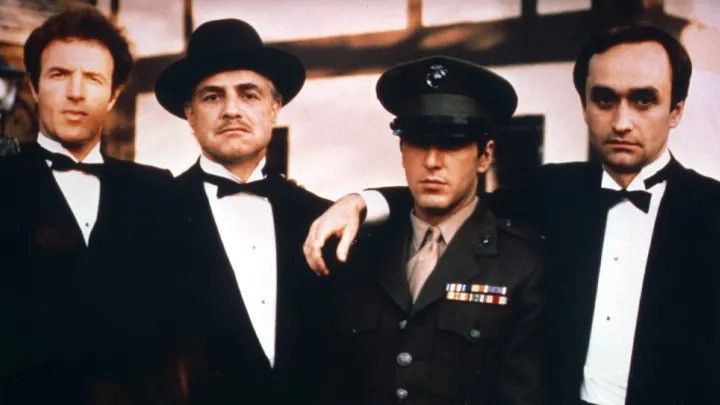
Coppola’s approach to character development in The Godfather was equally innovative. Rather than relying on exposition, he allowed character traits and motivations to emerge organically through behavior, dialogue, and visual cues. This subtlety is perhaps most evident in Marlon Brando’s portrayal of Vito Corleone. Coppola insisted on authenticity in Brando’s performance, encouraging him to use improvised gestures, the whispering tone of the Don, and nuanced facial expressions to convey authority and vulnerability simultaneously.
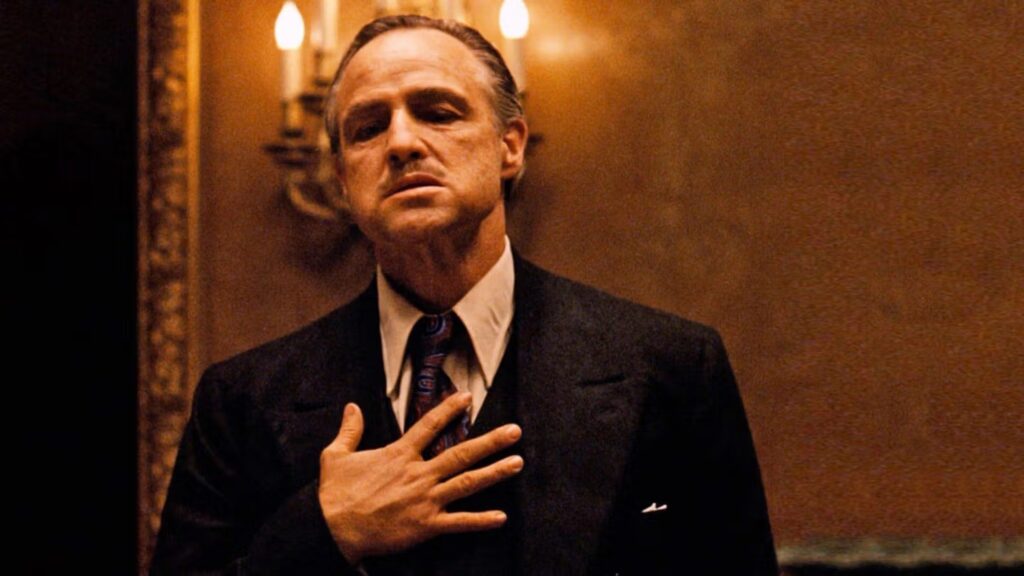
The director’s insistence on naturalism extended beyond Brando. Al Pacino, initially an unknown actor, was carefully guided to reveal Michael’s internal conflict through restrained physicality and controlled expressions. Coppola’s method created characters who felt lived-in, complex, and real. These choices not only elevated the narrative but also influenced generations of filmmakers who sought to prioritize authenticity over melodrama. By letting character drive the story, Coppola emphasized human psychology as a central component of cinematic storytelling.
Innovative Use of Sound and Music
Sound design and musical scoring in The Godfather represented another area of Coppola’s innovative storytelling. Nino Rota’s iconic score became inseparable from the film’s identity, infusing each scene with emotional resonance and cultural specificity. Coppola understood that music could operate as a narrative device, not just a backdrop. The mournful waltzes and haunting motifs functioned as extensions of character emotion, foreshadowing events and underscoring moments of moral conflict.
Coppola also experimented with diegetic sound, integrating everyday noises to enrich the world of the Corleone family. The rustling of papers, the quiet clink of cutlery, and the ambient sounds of the New York streets became narrative tools, subtly immersing the audience in the story’s reality. By blending musical and environmental sound, Coppola created an auditory landscape that was both textured and emotionally evocative, reinforcing the film’s sense of authenticity.
Storytelling Through Symbolism
Coppola’s genius extended to the symbolic layers woven throughout The Godfather. Visual motifs, recurring objects, and calculated framing imbued scenes with meaning beyond the literal dialogue. The use of oranges, for instance, became a visual harbinger of death and betrayal, appearing in key moments preceding violence. Similarly, the juxtaposition of family gatherings against acts of brutality reinforced the thematic tension between loyalty and corruption.
Even small details, such as the careful staging of a character within a doorway or the positioning of hands in a scene, were intentional storytelling choices. Coppola demonstrated that cinema could communicate complex narrative and emotional ideas visually, without relying on explicit exposition. These symbolic elements invited audiences to engage actively with the film, rewarding careful observation and enhancing the depth of the viewing experience.
Balancing Realism and Operatic Drama
One of Coppola’s most remarkable achievements in The Godfather was his ability to balance stark realism with operatic drama. While the film portrayed the criminal underworld with meticulous attention to detail, it also embraced grand, almost mythic qualities. The tension between these two approaches gave the film a unique texture. A simple conversation in a dimly lit room could feel as suspenseful as a large-scale action sequence, while a family celebration could carry the weight of historical tragedy.
Coppola’s blending of realism and heightened drama reflected his understanding of human experience: life is simultaneously mundane and extraordinary. By capturing this duality, he transformed a gangster narrative into a universal story about power, loyalty, family, and morality. This hybrid approach to cinematic storytelling challenged conventional genre boundaries and expanded the possibilities of what film could achieve emotionally and artistically.
Collaborating with a Creative Team
Coppola’s innovative storytelling was also the result of his collaboration with an exceptional creative team. Beyond Gordon Willis and Nino Rota, Coppola worked closely with screenwriters, set designers, costume designers, and actors to ensure that every element reinforced the narrative vision. From the meticulous recreation of 1940s New York to the authentic Italian-American cultural details, Coppola’s insistence on cohesion and authenticity allowed the film to resonate deeply with audiences.
He was known for encouraging improvisation when it enhanced realism, yet uncompromising when a scene required precision. This balance between control and flexibility was a key factor in the film’s enduring power. Coppola’s ability to harness the talents of his collaborators while maintaining a coherent directorial vision is a testament to his leadership and artistic insight.
Enduring Influence on Filmmaking
The innovations Coppola introduced in The Godfather have left a lasting imprint on cinema. Directors across genres have cited his work as a blueprint for visual storytelling, character-driven narratives, and thematic depth. The deliberate pacing, nuanced performances, and symbolic visual language pioneered in The Godfather have influenced everything from crime dramas to epic sagas and even contemporary television storytelling. Coppola demonstrated that film could be both commercially successful and artistically ambitious, inspiring a generation of filmmakers to pursue stories with depth, authenticity, and moral complexity.
Conclusion: A Masterclass in Storytelling
Francis Ford Coppola’s directorial choices in The Godfather represent a masterclass in cinematic storytelling. Through innovative use of visual composition, deliberate pacing, immersive soundscapes, nuanced character development, and symbolic depth, he created a film that transcends its genre. Every artistic decision, from lighting to music to actor guidance, contributed to a cohesive narrative experience that engages audiences on multiple levels. Coppola’s work proves that cinema is not merely a medium for entertainment but a powerful vehicle for exploring human nature, emotion, and moral ambiguity.
Even decades after its release, The Godfather continues to captivate viewers, not because of its violence or criminal intrigue alone, but because of the artistic integrity and innovative storytelling at its core. Francis Ford Coppola’s vision transformed a gangster story into an enduring exploration of power, family, and identity, leaving an indelible legacy on the art of filmmaking. In examining his choices, one realizes that The Godfather is less a film about crime and more a celebration of cinema’s capacity to tell deeply human stories with precision, beauty, and heart.
About the Author