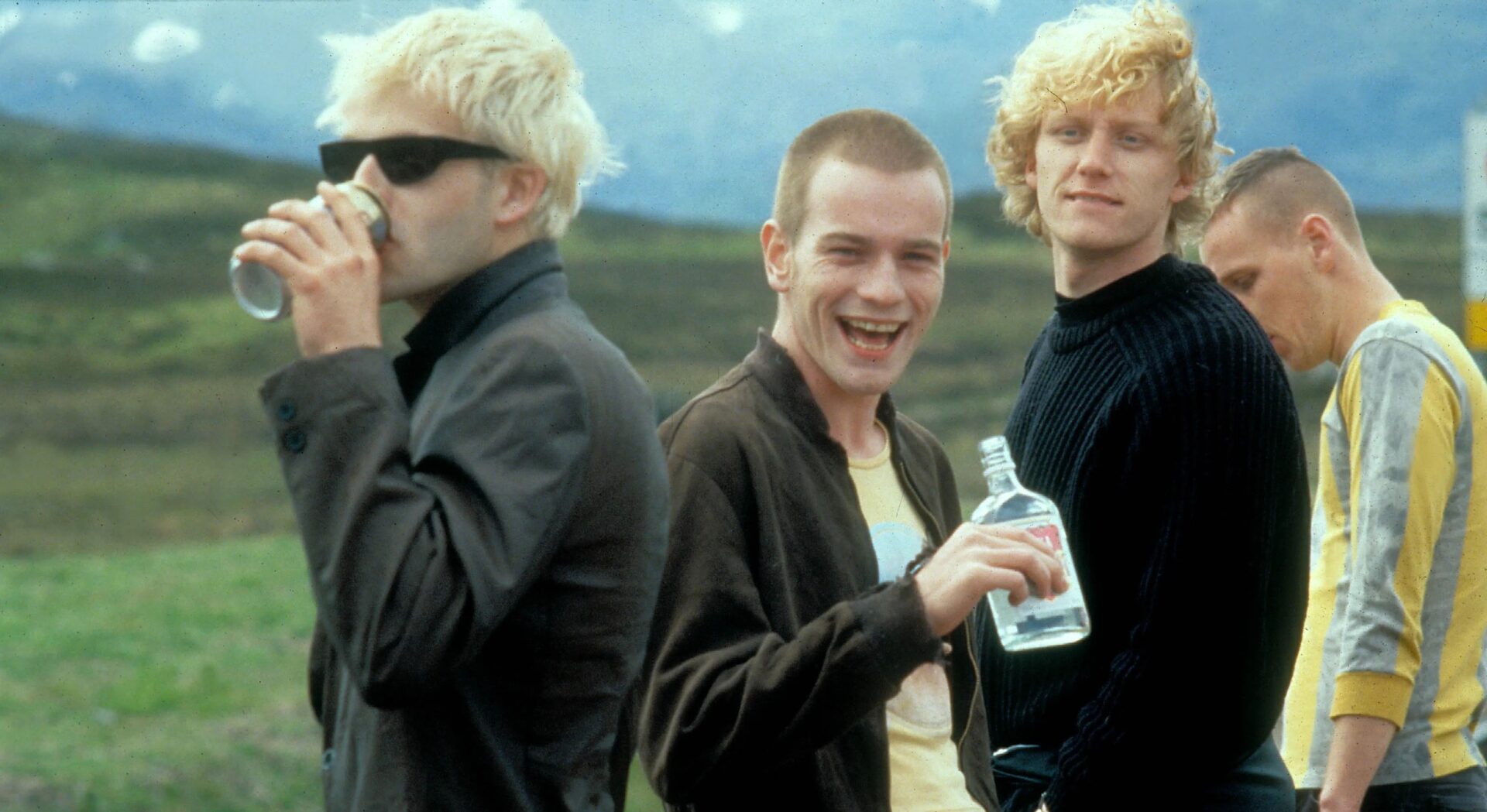
When Trainspotting hit theaters in 1996, it didn’t just tell a story—it exploded onto the screen with a daring energy that few films had managed in decades. At the helm was Danny Boyle, a director whose vision fused raw realism with inventive cinematic flair. The film, adapted from Irvine Welsh’s controversial novel, chronicles the chaotic lives of a group of heroin addicts in Edinburgh. While the subject matter was grim, Boyle’s direction transformed it into an audacious, immersive, and at times surreal experience. Trainspotting remains a touchstone of British cinema, largely due to the groundbreaking ways Boyle approached storytelling, cinematography, and audience engagement.

Redefining Narrative Style
One of Boyle’s most significant contributions to Trainspotting is his revolutionary approach to narrative structure. Traditional storytelling in cinema often follows a linear progression, building tension steadily and resolving it in predictable arcs. Boyle, however, opted for a fragmented, almost kaleidoscopic method that mirrors the chaotic inner lives of his characters. Scenes flow with a rhythmic unpredictability, jumping between moments of humor, despair, and absurdity.
The opening sequence, famously accompanied by Iggy Pop’s “Lust for Life,” immediately establishes this pattern. The audience is thrust into the frantic, kinetic world of Mark Renton and his friends, running down Edinburgh streets in a burst of rebellious euphoria. This scene doesn’t just introduce characters; it immerses viewers in a mood, a state of mind that sets the tone for the entire film. By prioritizing emotional resonance over strict chronology, Boyle ensures that the story feels alive, raw, and unmistakably real.
Visual Experimentation and Stylistic Risks
Boyle’s visual language in Trainspotting is both daring and meticulously crafted. He employs a combination of handheld camerawork, striking color contrasts, and inventive framing that reflects the inner turbulence of his characters. One iconic example is the “toilet sequence,” where Renton plunges into the depths of a filthy toilet to retrieve drugs. The scene transforms a moment of grim reality into a hallucinatory descent, blending practical effects with surreal imagery. Boyle’s choice to shoot from unusual angles and embrace extreme perspectives heightens the visceral impact, making the audience feel every nauseating twist and turn.
Color is another tool Boyle wields with precision. Scenes oscillate between drab, muted tones that capture the bleakness of Edinburgh’s underbelly and vivid, almost psychedelic bursts that highlight moments of escape, ecstasy, or hallucination. This visual dynamism reinforces the duality of the narrative: the stark reality of addiction versus the seductive allure of temporary relief. Boyle’s daring palette choices were unconventional for British cinema at the time, further cementing the film’s status as a stylistic breakthrough.
Soundtrack as Narrative Catalyst
Boyle’s innovation extends beyond the visual; he treats music as a narrative engine, a character in its own right. The soundtrack of Trainspotting is legendary, seamlessly integrating punk, electronic, and pop music to reflect the emotional landscape of the film. Tracks like Underworld’s “Born Slippy” don’t merely accompany scenes—they punctuate the narrative, amplifying tension and accentuating the emotional stakes.
Boyle’s skill lies in his ability to synchronize auditory and visual storytelling. In sequences where time and reality feel distorted, music acts as an anchor, guiding the audience through disorientation. The choice of contemporary music, often juxtaposed with grim subject matter, creates a compelling contrast that reinforces the film’s irreverent, rebellious energy. Boyle understood that in Trainspotting, sound could evoke memory, desire, and dread as effectively as dialogue or camera work.
Character-Driven Innovation
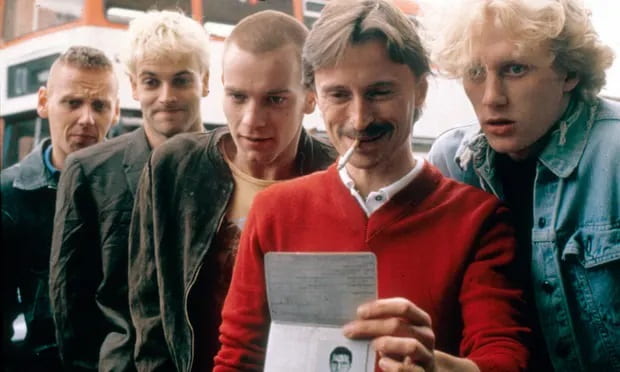
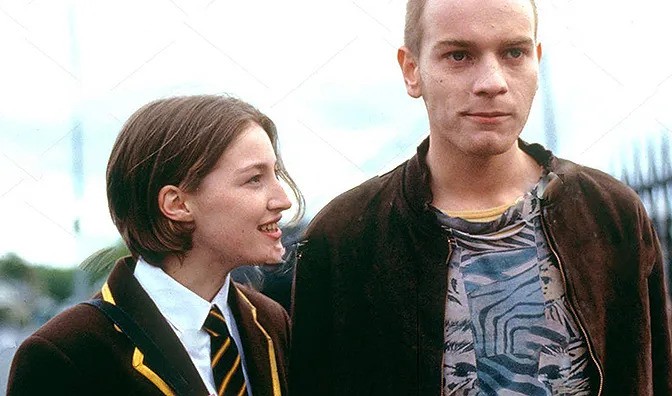
While Trainspotting is often celebrated for its technical audacity, its true power lies in Boyle’s intimate, empathetic portrayal of characters. Each protagonist, from Renton to Begbie, is rendered with complexity and humanity. Boyle resists reducing them to stereotypes, instead highlighting the contradictions, vulnerabilities, and dark humor that define human behavior. His direction draws extraordinary performances from the cast, particularly Ewan McGregor, whose portrayal of Renton balances cynicism, charm, and despair.
Boyle’s use of close-ups, lingering shots, and unconventional framing emphasizes the psychological states of characters. In moments of isolation or addiction-induced hallucination, the camera becomes a conduit into the character’s psyche. This technique allows the audience to inhabit the internal chaos of the characters, forging a visceral empathy rarely seen in films dealing with substance abuse. In doing so, Boyle transcends traditional character study, making the audience complicit in the emotional highs and lows of the narrative.
Editing as Emotional Architecture
Editing in Trainspotting is another area where Danny Boyle broke new ground. Rather than adhering to conventional continuity, Boyle embraces jump cuts, rapid montages, and abrupt scene transitions to mimic the erratic rhythm of life under the influence of drugs. The montage sequences, in particular, are masterclasses in narrative compression, conveying complex psychological and social information in a matter of seconds.
One memorable sequence follows Renton’s withdrawal, a harrowing experience rendered through frantic cuts, distorted sound, and disjointed visual cues. The audience experiences his torment almost physically, a testament to Boyle’s ability to translate emotion into cinematic language. By prioritizing psychological truth over linear clarity, Boyle revolutionizes editing as a tool not just for pacing, but for empathy.
Humor and Humanity in Dark Realities
Boyle’s genius in Trainspotting lies in his ability to navigate dark subject matter with irreverent humor and humanity. Addiction is portrayed with unflinching honesty, yet Boyle never allows the film to lapse into moralizing or despair. Instead, he balances grim realities with absurd, often shocking moments of comedy, creating a tonal richness that keeps the audience engaged.
The interplay between humor and horror is crucial to Boyle’s storytelling. Scenes that are initially comedic often carry a latent menace, reflecting the precariousness of the characters’ lives. This tonal layering was a bold directorial choice, challenging audiences to reconcile laughter with unease. Boyle’s approach to dark comedy in Trainspotting has since influenced countless filmmakers, demonstrating that difficult subjects can be explored without sacrificing emotional complexity or audience engagement.
Urban Landscape as Character
In Trainspotting, Edinburgh is not merely a backdrop; it is an active participant in the story. Boyle’s direction transforms the city into a living, breathing entity that mirrors the struggles of its inhabitants. He captures both the grim, industrial neighborhoods and the vibrant, chaotic social scenes with equal attention, presenting a multifaceted portrait of urban life.
Boyle’s use of location shooting, combined with dynamic camera movement, allows the city to function as a reflection of internal states. Narrow alleys, crowded pubs, and desolate tenements are imbued with narrative weight, reinforcing themes of confinement, escapism, and survival. In this sense, Boyle’s urban portraiture in Trainspotting elevates setting from mere context to an integral component of storytelling, enhancing both realism and emotional resonance.
Cultural Impact and Legacy
The innovations Danny Boyle introduced in Trainspotting had a profound impact on British cinema and global filmmaking. The film’s audacious style, blending surrealism with stark social commentary, inspired a generation of directors to experiment with narrative form, visual language, and soundtrack integration. Boyle proved that British films could be both commercially successful and artistically daring, paving the way for a more vibrant, risk-taking national cinema.
Moreover, Trainspotting’s cultural resonance extends beyond technique. By humanizing marginalized characters and exploring taboo subjects with honesty and creativity, Boyle challenged societal perceptions of addiction and youth culture. His work on the film demonstrated that cinema could be both provocative and empathetic, entertaining and thought-provoking—a balance few directors achieve with such precision.
Conclusion
Danny Boyle’s direction in Trainspotting remains a masterclass in cinematic innovation. Through audacious visual techniques, rhythmic editing, immersive sound design, and deeply human character portrayals, Boyle broke boundaries that had constrained British cinema for decades. The film’s chaotic energy, dark humor, and emotional intensity reflect a director unafraid to take risks, experiment with form, and immerse audiences in a fully realized world.
Trainspotting is more than a film about addiction; it is a testament to the transformative power of visionary direction. Boyle’s innovations continue to influence filmmakers worldwide, proving that boldness, empathy, and creativity can converge to create cinema that is both unforgettable and profoundly human. Over twenty-five years later, the film remains a touchstone, a reminder that breaking boundaries is not merely an artistic choice—it is a declaration of what cinema can achieve when daring vision meets technical mastery.
About the Author